
← 17 September 2026's Current Affairs · Science & Tech GS-3 Prelims ★★★★★ Mains ★★★★☆
Weapons in orbit test the limits of outer space law
Why in News?
No treaty bans anti-satellite missiles: the Outer Space Treaty gap behind Mission Shakti
Rising military activity in orbit is testing the limits of the 1967 Outer Space Treaty, which does not ban conventional anti-satellite weapons.
Why it matters: asked in UPSC 2009; GS-3 core; factual, Prelims-type
What you need to know
2 min read
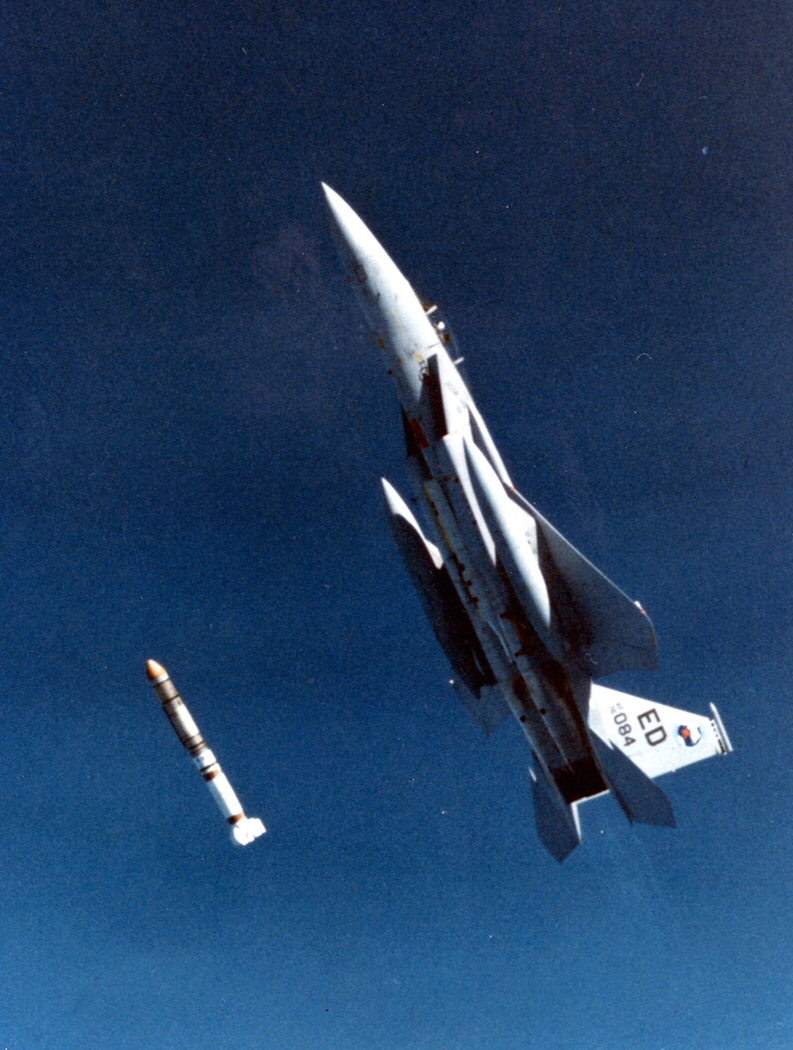
Growing military activity in orbit, including anti-satellite weapons and dual-use satellites, is testing the limits of the 1967 Outer Space Treaty, which bars placing weapons of mass destruction in orbit but does not ban conventional anti-satellite weapons.
Several countries have demonstrated anti-satellite capability by destroying their own satellites in orbit, drawing criticism for the debris such tests generate.
India conducted its own anti-satellite missile test, Mission Shakti, in 2019, becoming the fourth country to demonstrate the capability.
The United Nations has struggled to negotiate a binding treaty specifically banning anti-satellite weapons.
Sources: The Hindu · Topper IAS editorial
Key facts
Remember these
- Outer Space Treaty (1967) bars only weapons of mass destruction in orbit, not conventional anti-satellite weapons
- India's Mission Shakti (2019) was an anti-satellite missile test
- India became the fourth country to demonstrate anti-satellite capability
- Anti-satellite tests generate space debris, drawing international criticism
- UN has struggled to negotiate a binding treaty specifically banning anti-satellite weapons
Prelims · Mains
How the exam will ask it
Prelims
- The Outer Space Treaty, 1967 prohibits the placement of weapons of mass destruction in orbit around the Earth.
- Mission Shakti, conducted by India in 2019, demonstrated anti-satellite missile capability.
- India was the fourth country to demonstrate anti-satellite capability.
- The Outer Space Treaty does not ban conventional anti-satellite weapons.
Mains
GS Paper 3 (Science & Technology / Space) and GS Paper 2 (international treaties/institutions): rising anti-satellite tests and dual-use satellites expose a gap in the 1967 Outer Space Treaty, which only bars weapons of mass destruction in orbit, allowing conventional anti-satellite weapons and generating dangerous space debris. This creates risks for space security and sustainable use of orbital space, with the UN yet to negotiate a binding treaty specifically banning such weapons; the way forward lies in updated multilateral space governance and debris-mitigation norms.
PYQ connection
A question UPSC has already asked on this
In the context of Indian defence, consider the following statements:
- The Shourya missile flies with a speed of more than 8 Mach.
- The range of Shourya missile is more than 1600 km.
Which of the statements given above is/are correct?
- 1 only
- 2 only
- Both 1 and 2
- Neither 1 nor 2
Show answer
Answer: D
Why this matters: today's issue is directly connected to a concept UPSC has already tested. Read the story with this question in mind.
Practise this PYQ →Quick recall
Answer before you reveal
India demonstrated anti-satellite missile capability, becoming the fourth country to do so, under which 2019 mission?
- Mission Shakti
- Chandrayaan-2
- Gaganyaan
- Aditya-L1
Show answer
Answer: A — Mission Shakti, conducted in 2019, was India's anti-satellite missile test, making it the fourth country after the US, Russia and China to demonstrate this capability.
Convert this topic into marks
Today's 10-MCQ test · instant analysis · Powered by AdaptIQ