
← 17 September 2026's Current Affairs · Science & Tech GS-3 Prelims ★★★★☆ Mains ★★★★☆
Assam's pygmy hog conservation programme releases captive-bred hogs
Why in News?
World's smallest wild pig, back from near-extinction in Assam: the IUCN status Prelims tests
Assam's Pygmy Hog Conservation Programme released captive-bred pygmy hogs, the world's smallest wild pig, into protected grasslands.
Why it matters: GS-3 core; factual, Prelims-type
What you need to know
2 min read
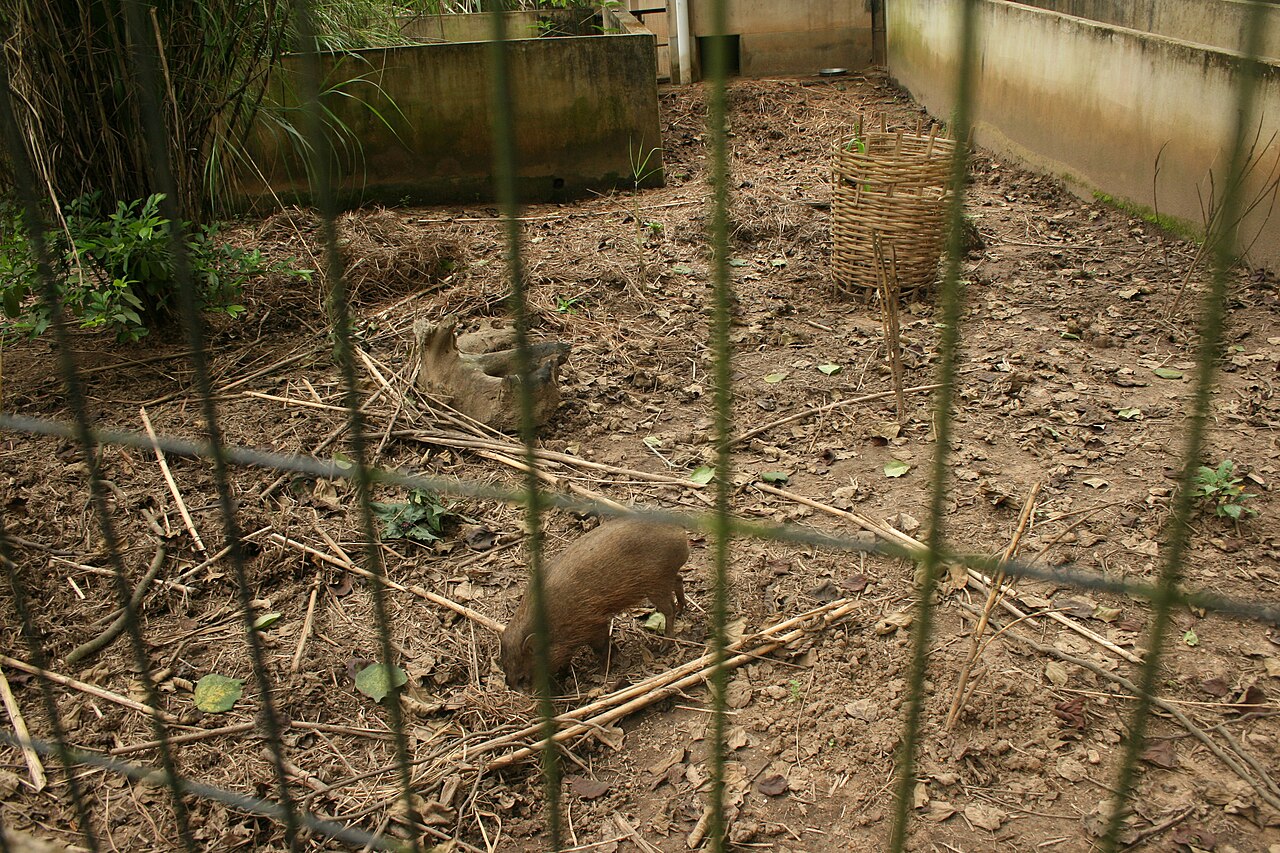
Assam's pygmy hog conservation programme released captive-bred pygmy hogs into the wild, continuing a decades-long effort to save the world's smallest and rarest wild pig.
The pygmy hog is listed as Endangered on the IUCN Red List and survives only in a few grassland patches in Assam.
The Pygmy Hog Conservation Programme, run with the Durrell Wildlife Conservation Trust and the Assam Forest Department, breeds the species in captivity before releasing them into protected grasslands such as Manas National Park.
Habitat loss from grassland conversion and flooding remains the main threat to the species.
Sources: The Hindu · Topper IAS editorial
Key facts
Remember these
- Pygmy hog is the world's smallest and rarest wild pig species
- Listed as Endangered on the IUCN Red List
- Survives only in a few grassland patches in Assam
- Pygmy Hog Conservation Programme run with Durrell Wildlife Conservation Trust and Assam Forest Department
- Captive-bred hogs released into protected grasslands such as Manas National Park
Prelims · Mains
How the exam will ask it
Prelims
- The pygmy hog is native to alluvial grasslands of Assam and is listed as Endangered on the IUCN Red List.
- The Pygmy Hog Conservation Programme is a collaboration between the Durrell Wildlife Conservation Trust and the Assam Forest Department.
- Captive-bred pygmy hogs have been released into protected grasslands including Manas National Park.
- Habitat loss from grassland conversion and flooding is the main threat to the species.
Mains
GS Paper 3 (Environment & Ecology, Species Conservation): the pygmy hog case illustrates how habitat-specific species require ex-situ captive breeding combined with in-situ grassland protection under a public-private conservation model. The issue of shrinking alluvial grasslands due to encroachment and flooding highlights the need for dedicated grassland conservation policy, distinct from forest-centric conservation frameworks. The way forward lies in scaling community-linked grassland protection and long-term monitoring of reintroduced populations.
Quick recall
Answer before you reveal
The pygmy hog, the world's smallest wild pig and the subject of a captive-breeding release programme, is native to grasslands in which state?
- Assam
- West Bengal
- Odisha
- Uttarakhand
Show answer
Answer: A — The pygmy hog survives only in a few grassland patches in Assam and is the focus of a long-running captive-breeding and release programme there.
Convert this topic into marks
Today's 10-MCQ test · instant analysis · Powered by AdaptIQ