
← 2 November 2026's Current Affairs · Science & Tech GA Prelims ★★★★☆ Mains ★★☆☆☆
Gaia mission data reveals 'starquakes'
వార్తల్లో ఎందుకు?
Stars have tsunamis too: the Gaia mission behind starquakes, and what astrometry measures in GS3
Gaia data reveals starquakes on stars.
Why it matters: factual, Prelims-type
What you need to know
2 నిమి
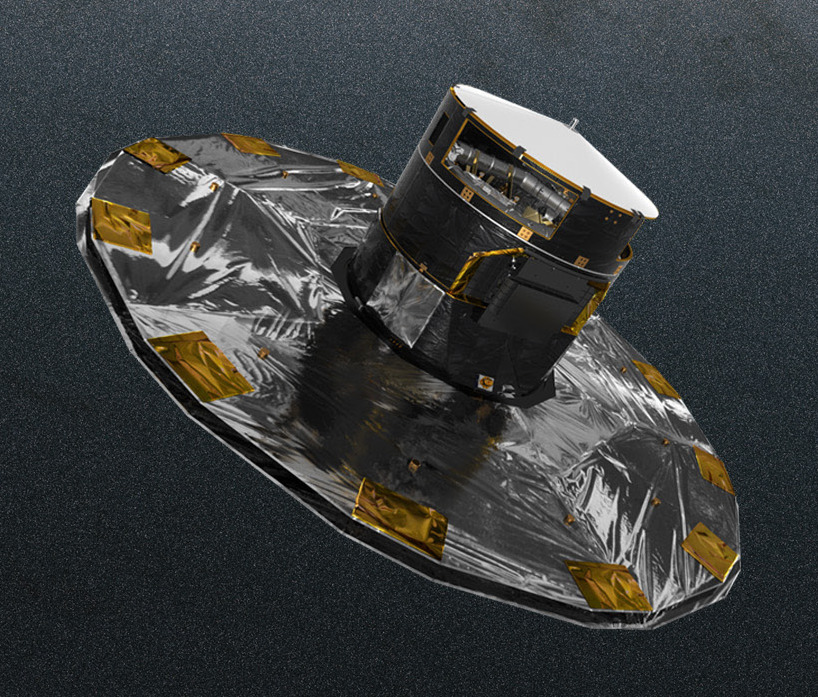
New data from the European Space Agency's Gaia mission has revealed starquakes, large tsunami-like movements on stellar surfaces.
Gaia maps the positions, distances and motions of stars in the Milky Way.
మూలాలు: Topper IAS editorial (PIB / The Hindu / Indian Express)
ముఖ్య వాస్తవాలు
Remember these
- Gaia is a European Space Agency (ESA) astrometry mission
- It maps the positions, distances and motions of stars in the Milky Way
- New Gaia data has revealed starquakes: large tsunami-like movements on stellar surfaces
- Starquakes are studied through asteroseismology, the science of stellar oscillations
- Gaia is distinct from exoplanet-transit missions like Kepler and TESS
ప్రిలిమ్స్ · మెయిన్స్
How the exam will ask it
ప్రిలిమ్స్
- Statement: Gaia is an ESA mission that measures the positions, distances and motions of stars in the Milky Way.
- Statement: Starquakes are large tsunami-like movements on the surfaces of stars, revealed in new Gaia data.
- Statement: Gaia was designed to detect gravitational waves from merging black holes. (Incorrect: that is the task of LIGO-type observatories.)
మెయిన్స్
GS3 Science and Technology: space-based astrometry missions such as Gaia let scientists map the Milky Way and probe stellar interiors through starquakes. Such open, large-scale datasets show the value of international space collaboration. For India, the way forward lies in its own space astronomy missions and in building research capacity to use global data archives.
Quick recall
Answer before you reveal
The European Space Agency's Gaia mission, whose new data revealed 'starquakes', is primarily designed to:
- Discover exoplanets by observing planetary transits
- Measure the cosmic microwave background radiation
- Map the positions, distances and motions of vast numbers of stars in the Milky Way
- Detect gravitational waves from merging black holes
సమాధానం చూడండి
సమాధానం: C — Correct: Map the positions, distances and motions of vast numbers of stars in the Milky Way — Gaia is an astrometry mission that charts the positions, distances and motions of stars. • Discover exoplanets by observing planetary transits — wrong: Exoplanet transit surveys are the task of missions like Kepler and TESS, not Gaia. • Measure the cosmic microwave background radiation — wrong: CMB measurement was done by missions such as Planck, not Gaia. • Detect gravitational waves from merging black holes — wrong: Gravitational waves are detected by LIGO-type observatories, not Gaia.
Convert this topic into marks
Today's 10-MCQ test · instant analysis · Powered by AdaptIQ