
← 14 October 2026's Current Affairs · Environment GA Prelims ★★★★☆ Mains ★★☆☆☆
Antarctic sea ice reaches third-lowest winter maximum
వార్తల్లో ఎందుకు?
Antarctic ice peaks in September, the Arctic in March: why sea ice does not raise sea level
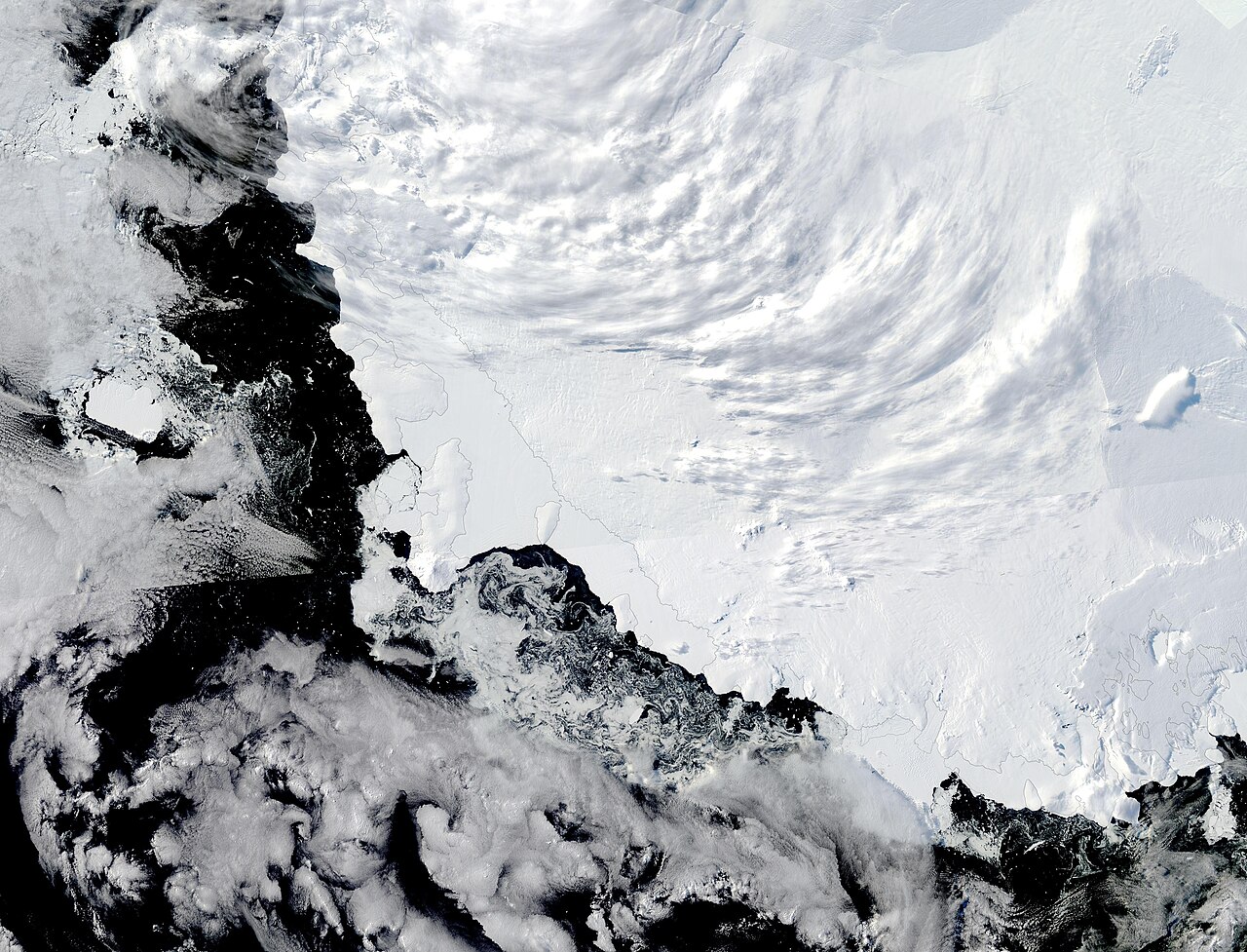
Antarctic sea ice reached its annual maximum extent of 17.59 million square kilometres on 14 September 2026, the third-lowest maximum in the satellite record. The Antarctic winter maximum occurs in September, while the Arctic peaks in March.
Why it matters: factual, Prelims-type
What you need to know
2 నిమి
Antarctic sea ice reached its annual maximum extent of 17.59 million square kilometres on 14 September 2026, the third-lowest maximum in the satellite record.
The Antarctic winter maximum occurs in September, while the Arctic peaks in March.
మూలాలు: Topper IAS editorial (PIB / The Hindu / Indian Express)
ముఖ్య వాస్తవాలు
Remember these
- Antarctic sea ice hit its annual maximum of 17.59 million sq km on 14 September 2026, the third-lowest in the satellite record
- Antarctic sea ice peaks in September (end of southern winter); Arctic sea ice peaks in March
- Floating sea ice melting does not raise sea level much; melting of land-based ice sheets and glaciers does
- Antarctic Treaty was signed in 1959 and came into force in 1961
- India's Antarctic research stations: Dakshin Gangotri (1983, decommissioned), Maitri (1989) and Bharati (2012)
ప్రిలిమ్స్ · మెయిన్స్
How the exam will ask it
ప్రిలిమ్స్
- Statement: The Antarctic sea ice extent reaches its annual maximum in September, whereas the Arctic sea ice reaches its maximum in March. (Correct)
- Statement: Melting of floating sea ice contributes as much to global sea level rise as melting of the Antarctic ice sheet on land. (Incorrect)
- Statement: India's Maitri and Bharati are research stations located in Antarctica. (Correct)
మెయిన్స్
GS-I/III (Geography; Environment): Declining Antarctic sea ice signals climate change impacts on polar systems, weakening the albedo effect and affecting ocean circulation and weather patterns, including monsoon teleconnections. The Antarctic Treaty system and India's Indian Antarctic Act, 2022 provide the governance and research framework. The way forward is sustained polar monitoring, emission cuts under the Paris Agreement and strengthened scientific cooperation.
Quick recall
Answer before you reveal
NITI Aayog, which replaced the Planning Commission in 2015, was established through:
- An Act of Parliament
- A Constitutional amendment
- A Presidential ordinance
- A resolution of the Union Cabinet
సమాధానం చూడండి
సమాధానం: D — A resolution of the Union Cabinet is correct. A resolution of the Union Cabinet is correct. NITI Aayog is neither constitutional nor statutory; it was set up by an executive resolution of the Union Cabinet on 1 January 2015.
Convert this topic into marks
Today's 10-MCQ test · instant analysis · Powered by AdaptIQ