
← 10 October 2026's Current Affairs · Environment GA Prelims ★★★★★ Mains ★★☆☆☆
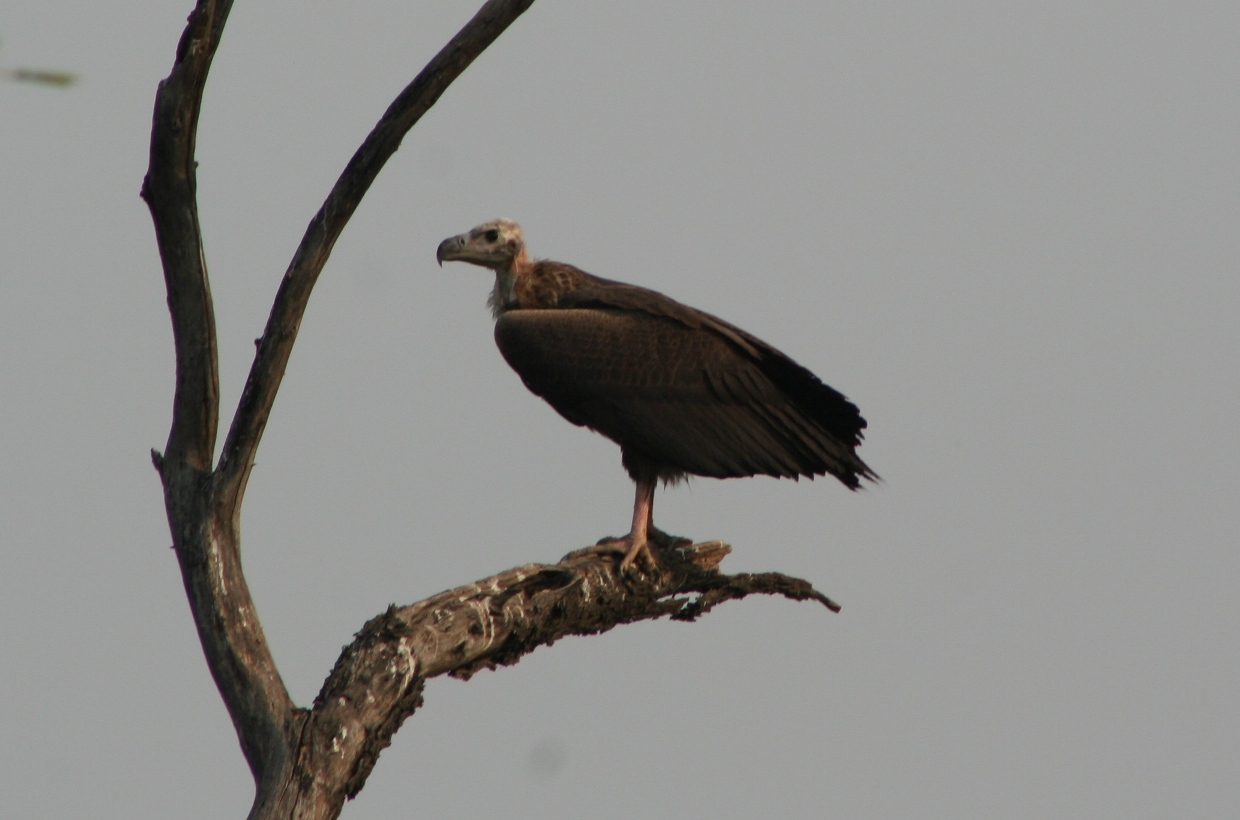
Critically Endangered Red-headed Vulture sighted in Uttarakhand's Munsiyari
ஏன் செய்தியில்?
Critically Endangered, not just Vulnerable: the Red-headed Vulture IUCN status Prelims species questions test
A rare sighting of a Critically Endangered vulture was reported in the Kumaon hills.
Why it matters: asked in UPSC 2012; factual, Prelims-type
What you need to know
2 நிமிடம்
A Red-headed Vulture (Sarcogyps calvus) was sighted on 5 October 2026 in the Munsiyari area of Uttarakhand.
The species is classified as Critically Endangered by the International Union for Conservation of Nature.
The sighting adds to attention on vulture conservation in India.
ஆதாரங்கள்: Topper IAS editorial (PIB / The Hindu / Indian Express)
முக்கிய உண்மைகள்
Remember these
- Red-headed Vulture (Sarcogyps calvus) was sighted on 5 October 2026 in Munsiyari, Uttarakhand
- IUCN status: Critically Endangered
- Also called the Asian king vulture or pondicherry vulture
- Munsiyari lies in the Kumaon hills of Uttarakhand
- Vultures are scavengers whose decline is linked to the veterinary drug diclofenac
ப்ரிலிம்ஸ் · மெயின்ஸ்
How the exam will ask it
ப்ரிலிம்ஸ்
- The Red-headed Vulture (Sarcogyps calvus) is classified as Critically Endangered on the IUCN Red List.
- Vultures act as natural scavengers and help check the spread of disease by disposing of carcasses.
- Diclofenac, a veterinary anti-inflammatory drug, has been identified as a major cause of the sharp decline in Indian vulture populations.
மெயின்ஸ்
GS3 Environment: species conservation. Sharp vulture declines, driven largely by veterinary diclofenac poisoning, removed a key scavenger from ecosystems; policy responses include banning the drug for veterinary use and conservation breeding and safe-zone programmes. Way forward: strict enforcement of the ban, monitoring of toxic drugs, protecting nesting habitats and community awareness.
PYQ connection
A question UPSC has already asked on this
Vultures which used to be very common in Indian countryside some years ago are rarely seen nowadays. This is attributed to
- the destruction of their nesting sites by new invasive species
- a drug used by cattle owners for treating their diseased cattle
- scarcity of food available to them
- a widespread, persistent and fatal disease among them
விடையைக் காட்டு
விடை: B
Why this matters: today's issue is directly connected to a concept UPSC has already tested. Read the story with this question in mind.
Practise this PYQ →Quick recall
Answer before you reveal
The Red-headed Vulture (Sarcogyps calvus), recently sighted in the Munsiyari area of Uttarakhand, is classified by the IUCN as:
- Critically Endangered
- Vulnerable
- Near Threatened
- Least Concern
விடையைக் காட்டு
விடை: A — Correct: Critically Endangered — The IUCN lists the Red-headed Vulture as Critically Endangered, the highest threat category below Extinct in the Wild. • Vulnerable — wrong: Vulnerable understates the threat; the species sits two categories higher on the IUCN scale. • Near Threatened — wrong: Near Threatened is far below the species' actual status and is not applied to it. • Least Concern — wrong: Least Concern is the lowest threat category and does not describe this vulture.
Convert this topic into marks
Today's 10-MCQ test · instant analysis · Powered by AdaptIQ