
← 10 November 2026's Current Affairs · Science & Tech GS-3 Prelims ★★★★☆ Mains ★★★★☆
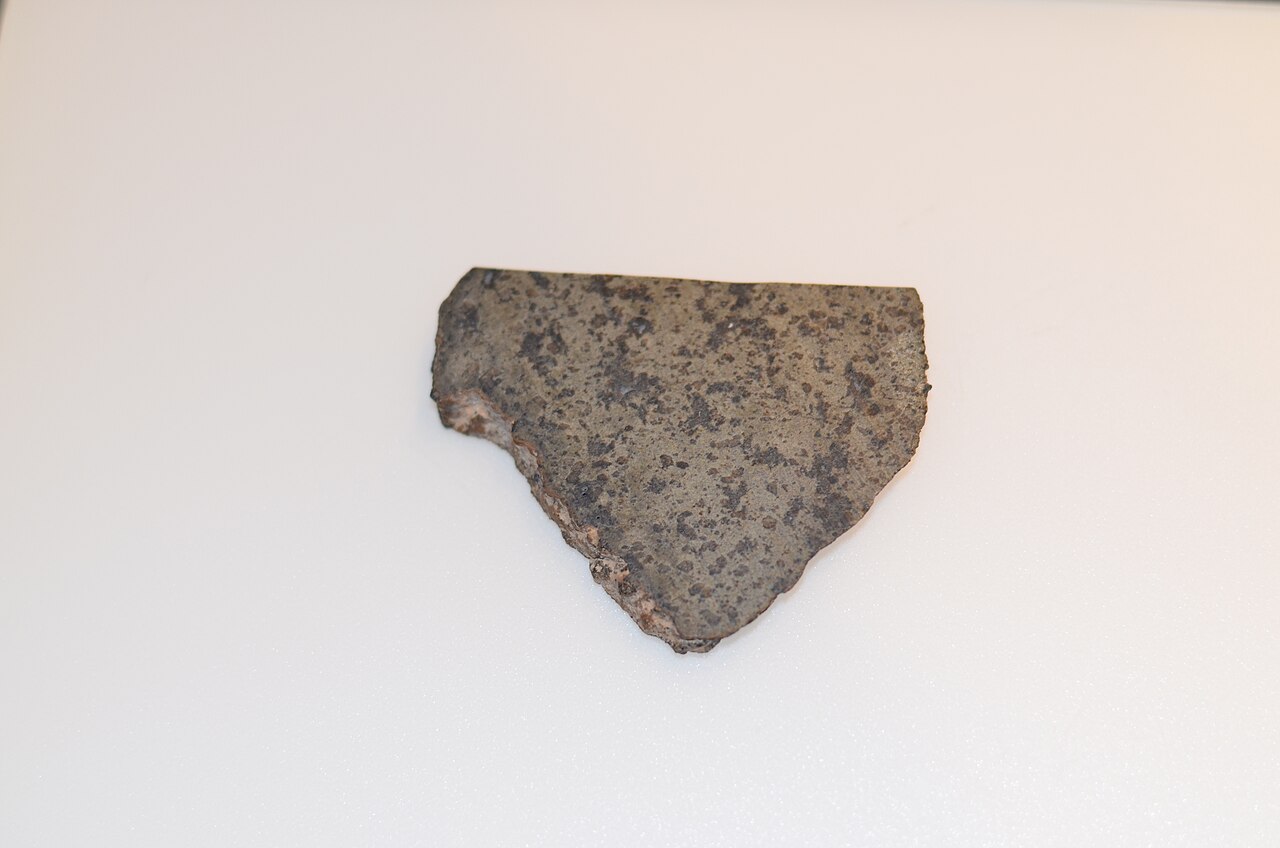
Mali meteorite Teghaza 001 identified as a 4.1-billion-year-old piece of Mars
ਖ਼ਬਰਾਂ ਵਿੱਚ ਕਿਉਂ?
A 4.1-billion-year-old Martian rock lay in the Sahara: the GS3 space-science basics to know
A Sahara meteorite is confirmed as Martian rock at least 4.1 billion years old.
Why it matters: GS-3 core; factual, Prelims-type
What you need to know
2 ਮਿੰਟ
Scientists have identified Teghaza 001, a rose-coloured meteorite found in Mali's Sahara Desert, as a piece of Mars formed at least 4.1 billion years ago.
Meteorite hunters discovered it, and its Martian origin was established after laboratory study.
Such samples give a rare physical record of early Martian crust.
ਸਰੋਤ: Topper IAS editorial (PIB / The Hindu / Indian Express)
ਮੁੱਖ ਤੱਥ
Remember these
- Teghaza 001 is a rose-coloured meteorite found in the Sahara Desert of Mali.
- Laboratory study identified it as a piece of Mars formed at least 4.1 billion years ago.
- It was discovered by meteorite hunters, and its Martian origin was confirmed only after lab analysis.
- Such samples give a rare physical record of early Martian crust.
- India's Mars Orbiter Mission (Mangalyaan), launched in 2013, reached Mars orbit in September 2014 in its first attempt.
ਪ੍ਰੀਲਿਮਜ਼ · ਮੇਨਜ਼
How the exam will ask it
ਪ੍ਰੀਲਿਮਜ਼
- A meteorite is a rock from space that survives passage through the atmosphere and lands on Earth; the same body is called a meteoroid in space and a meteor during its fiery fall.
- Meteorites of Martian origin reach Earth after impacts eject rock from the Martian surface, so they are physical samples of Mars available without a sample-return mission.
- Teghaza 001, found in Mali's Sahara, is dated to at least 4.1 billion years, which makes it a record of early Martian crust.
ਮੇਨਜ਼
GS Paper 3 (Science and Technology): meteorites are a low-cost source of planetary samples, but their origin and context are uncertain compared with samples collected in situ. This strengthens the case for Mars missions and sample return, and for international data sharing and cooperation, where India's Mangalyaan experience is relevant. The way forward is to combine meteorite studies with orbital and rover data, and to build domestic planetary-science laboratories.
Quick recall
Answer before you reveal
The Reserve Bank's power to supersede the board of directors of a co-operative bank, as used for Abhyudaya Co-operative Bank, flows from the:
- Reserve Bank of India Act, 1934
- Companies Act, 2013
- Multi-State Co-operative Societies Act, 2002
- Banking Regulation Act, 1949
ਜਵਾਬ ਵੇਖੋ
ਜਵਾਬ: D — Correct: Banking Regulation Act, 1949 — Section 36AAA read with Section 56 of the Banking Regulation Act, 1949 gives the RBI this power over co-operative banks. • Reserve Bank of India Act, 1934 — wrong: The RBI Act governs the central bank's own functions, not supersession of a co-operative bank's board. • Companies Act, 2013 — wrong: The Companies Act does not govern banking regulation by the RBI. • Multi-State Co-operative Societies Act, 2002 — wrong: The Multi-State Co-operative Societies Act covers registration and governance, but this power comes from the banking law.
Convert this topic into marks
Today's 10-MCQ test · instant analysis · Powered by AdaptIQ