
← 1 November 2026's Current Affairs · Environment GA Prelims ★★★☆☆ Mains ★★☆☆☆
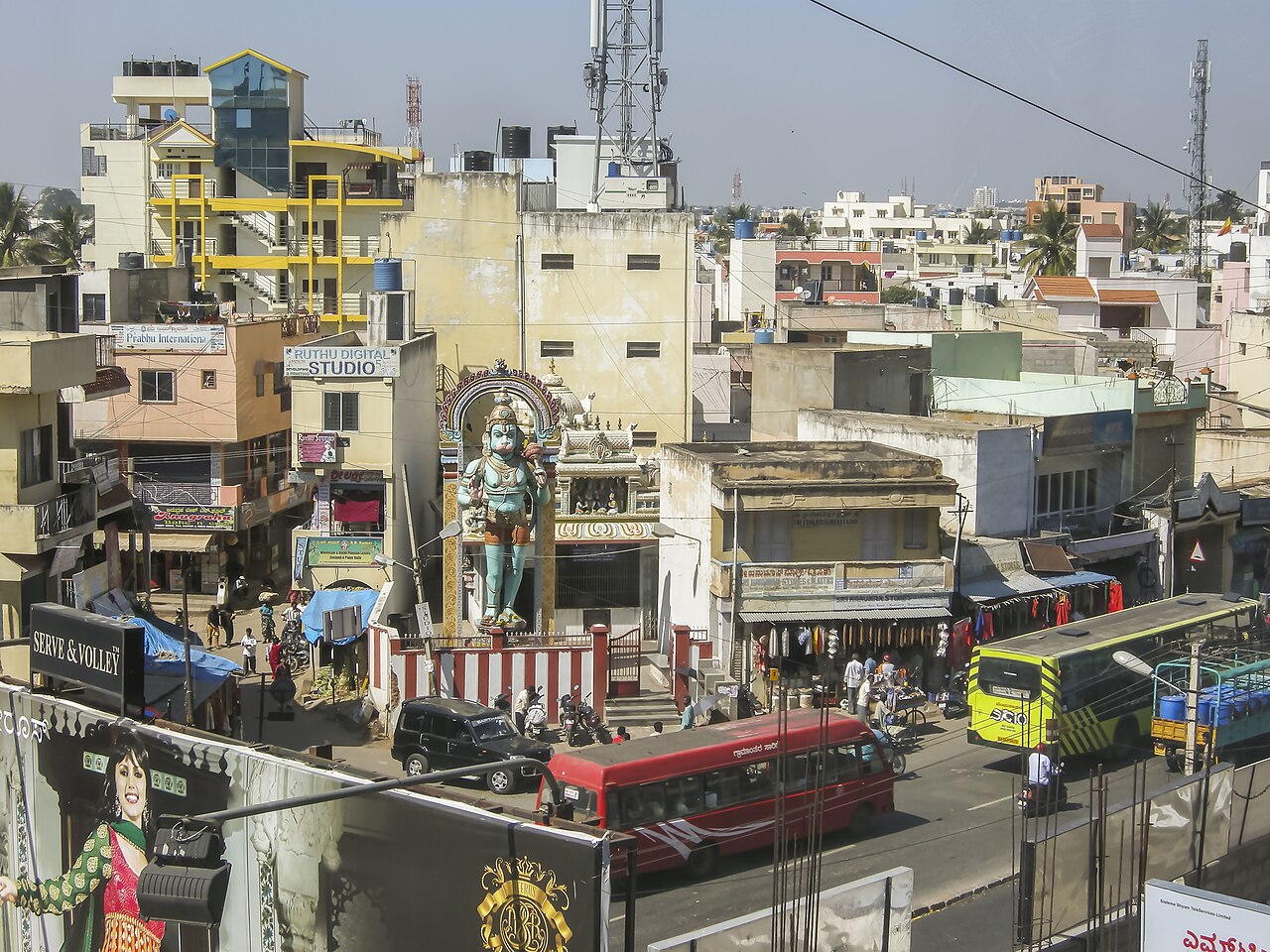
Karnataka's rural share to fall to 30% by 2047, says Regional Urbanisation Plan
ਖ਼ਬਰਾਂ ਵਿੱਚ ਕਿਉਂ?
3.6 crore to 2.4 crore: the Regional Urbanisation Plan-2047 figure every KPSC demography answer needs
Regional Urbanisation Plan-2047 projects a rural share of 30%.
Why it matters: general awareness
What you need to know
2 ਮਿੰਟ
According to the Karnataka State Regional Urbanisation Plan-2047 report, the rural population is expected to decline from the current 3.6 crore to 2.4 crore by 2047, taking the rural share to about 30% of the State's population.
ਸਰੋਤ: Topper IAS editorial (PIB / The Hindu / Indian Express)
ਮੁੱਖ ਤੱਥ
Remember these
- Karnataka State Regional Urbanisation Plan-2047 projects the rural population falling from about 3.6 crore to 2.4 crore by 2047
- Rural share of Karnataka's population is projected at about 30% by 2047
- Bengaluru is the State's dominant urban centre in the urbanisation story
- Urbanisation shifts demand towards housing, transport, water and municipal services
- Urban planning and local government are State subjects under the Constitution (74th Amendment gives urban local bodies constitutional status)
ਪ੍ਰੀਲਿਮਜ਼ · ਮੇਨਜ਼
How the exam will ask it
ਪ੍ਰੀਲਿਮਜ਼
- The 74th Constitutional Amendment Act, 1992 gave constitutional status to urban local bodies and added the Twelfth Schedule.
- Urbanisation is measured in the Census by the share of urban population in the total population.
- Rural-to-urban shift is driven by migration, natural increase and reclassification of rural settlements as urban.
ਮੇਨਜ਼
GS-I (urbanisation, population and settlement) and GS-II (local government). Rapid rural decline and urban growth strain infrastructure and services, so regional plans must be backed by empowered urban local bodies under the 74th Amendment. The way forward lies in balanced regional growth, strengthening secondary cities and protecting agriculture and rural livelihoods.
Quick recall
Answer before you reveal
With reference to State Legislative Councils in India, consider the following statements:
- Members of a Legislative Council are all elected by the direct vote of the people.
- The strength of a Legislative Council cannot exceed one-third of the strength of the Legislative Assembly and cannot be less than
Which of the statements given above is/are correct?
- 1 only
- 2 only
- Both 1 and 2
- Neither 1 nor 2
ਜਵਾਬ ਵੇਖੋ
ਜਵਾਬ: B — Correct: 2 only — Statement 1 is false (members come from MLAs, local bodies, graduates, teachers and Governor nominees) while statement 2 is the rule. • 1 only — wrong: Statement 1 is false, as Council members are chosen indirectly or nominated. • Both 1 and 2 — wrong: Statement 1 is false, so both cannot be correct. • Neither 1 nor 2 — wrong: Statement 2 is correct under Article 171, so 'neither' is wrong.
Convert this topic into marks
Today's 10-MCQ test · instant analysis · Powered by AdaptIQ