
← 10 October 2026's Current Affairs · International Relations GA Prelims ★★★★☆ Mains ★★★☆☆
Navanethem Pillay wins the 2026 Nobel Peace Prize
ਖ਼ਬਰਾਂ ਵਿੱਚ ਕਿਉਂ?
Who creates a war-crimes tribunal? The ICTR body behind Pillay's Nobel that GS2 asks about
The Peace Prize honours a jurist associated with international criminal justice.
Why it matters: factual, Prelims-type
What you need to know
2 ਮਿੰਟ
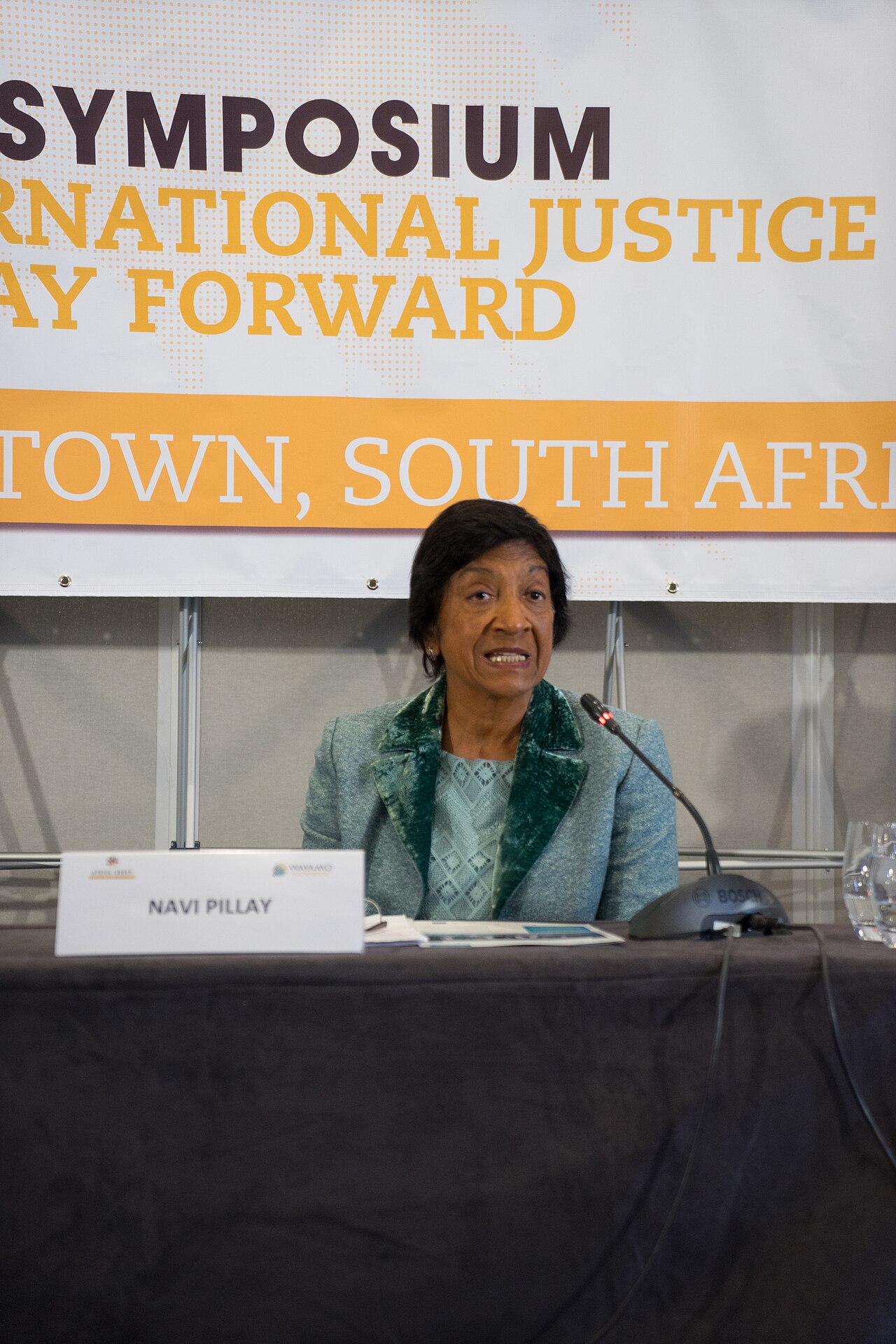
South African jurist Navanethem 'Navi' Pillay has been awarded the 2026 Nobel Peace Prize for efforts to promote peace and international law.
She has served as a judge of the International Criminal Court and of the International Criminal Tribunal for Rwanda, and is a former UN human rights chief.
She dedicated the prize to survivors of international crimes and noted increasing attacks on the international justice system.
ਸਰੋਤ: Topper IAS editorial (PIB / The Hindu / Indian Express)
ਮੁੱਖ ਤੱਥ
Remember these
- Navanethem 'Navi' Pillay (South Africa) has been awarded the 2026 Nobel Peace Prize
- She served as a judge of the International Criminal Tribunal for Rwanda (ICTR) and of the International Criminal Court (ICC)
- She is a former UN High Commissioner for Human Rights
- The ICTR was created by the UN Security Council in 1994 under Chapter VII of the UN Charter after the Rwandan genocide
- The ICC is a separate permanent court based on the Rome Statute
ਪ੍ਰੀਲਿਮਜ਼ · ਮੇਨਜ਼
How the exam will ask it
ਪ੍ਰੀਲਿਮਜ਼
- The International Criminal Tribunal for Rwanda was established by a UN Security Council resolution under Chapter VII of the UN Charter, not by the General Assembly.
- The International Criminal Court is a permanent court set up by the Rome Statute and is distinct from the International Court of Justice, which settles disputes between states.
- The ICTR was an ad hoc tribunal, whereas the ICC is a permanent institution with its Assembly of States Parties.
ਮੇਨਜ਼
GS2 (International Relations): international institutions and the rule of law. Issue: rising attacks on the international justice system -> ad hoc tribunals (ICTR) under UNSC Chapter VII and the permanent ICC under the Rome Statute -> limits such as non-membership of major powers and dependence on state cooperation -> way forward: stronger cooperation, wider ratification and reform for consistent accountability.
Quick recall
Answer before you reveal
The International Criminal Tribunal for Rwanda, on which Navi Pillay, the 2026 Nobel Peace Prize laureate, once served as a judge, was established by:
- International Court of Justice
- UN General Assembly
- Assembly of States Parties to the Rome Statute
- UN Security Council
ਜਵਾਬ ਵੇਖੋ
ਜਵਾਬ: D — Correct: UN Security Council — The Security Council created the ICTR in 1994 under Chapter VII of the UN Charter after the Rwandan genocide. • International Court of Justice — wrong: The ICJ settles disputes between states and does not create criminal tribunals. • UN General Assembly — wrong: The General Assembly did not set up the tribunal; it was created through a Security Council resolution. • Assembly of States Parties to the Rome Statute — wrong: The Rome Statute and its Assembly of States Parties relate to the ICC, which came later and is a separate court.
Convert this topic into marks
Today's 10-MCQ test · instant analysis · Powered by AdaptIQ