
← 6 November 2026's Current Affairs · Environment GA Prelims ★★★☆☆ Mains ★★☆☆☆
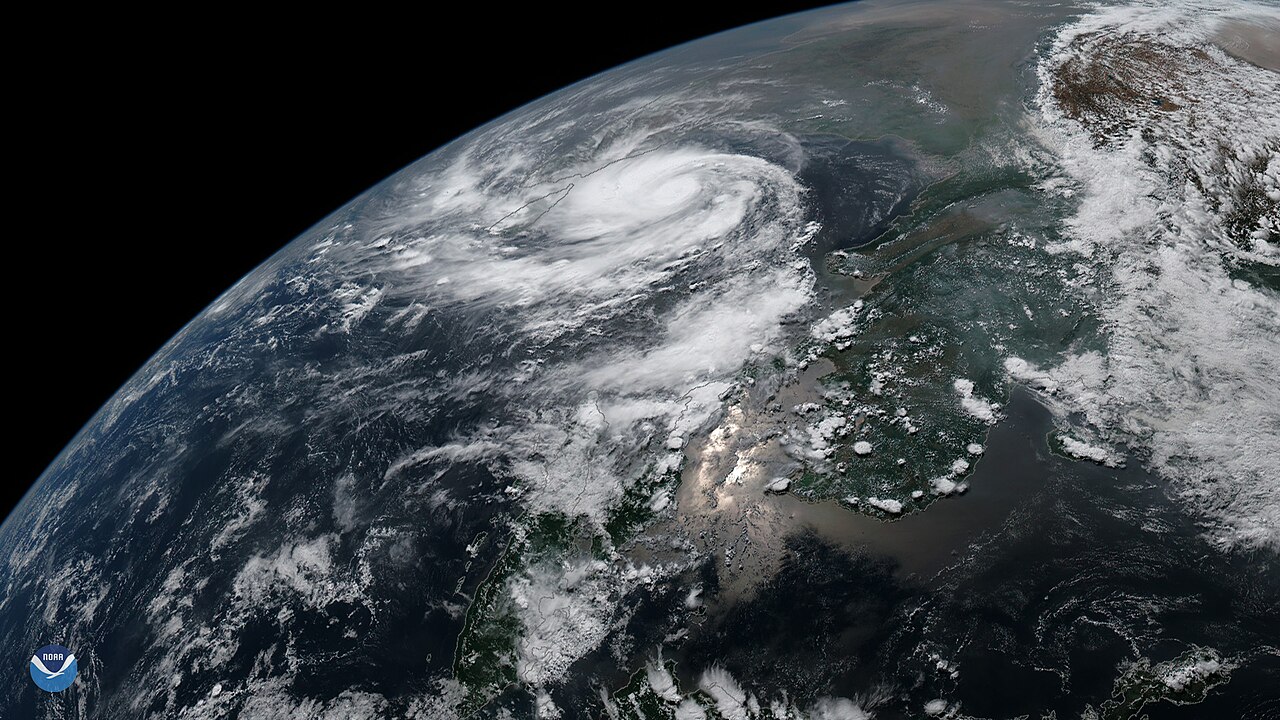
Cyclones Arnab and Murasu; climate study on Arnab
ଖବରରେ କାହିଁକି?
A Tamil war drum is a cyclone name: how North Indian Ocean storms get named
Climate change worsened Cyclone Arnab's impact.
Why it matters: general awareness
What you need to know
2 ମିନିଟ
Cyclone names in the North Indian Ocean come from a pre-agreed list; India proposed Murasu, a Tamil war drum.
A study found climate change raised Cyclone Arnab's maximum wind speed by about 5 per cent and its eyewall rainfall rate by 11 per cent at landfall, increasing damage by 33 per cent.
ଉତ୍ସ: Topper IAS editorial (PIB / The Hindu / Indian Express)
ମୁଖ୍ୟ ତଥ୍ୟ
Remember these
- North Indian Ocean cyclone names come from a pre-agreed list of names proposed by member countries
- India proposed the name Murasu, a Tamil war drum
- Attribution study: climate change raised Cyclone Arnab's maximum wind speed by about 5 per cent at landfall
- Eyewall rainfall rate rose by about 11 per cent, and damage increased by about 33 per cent
- IMD's New Delhi centre is the WMO-designated Regional Specialised Meteorological Centre for the region
ପ୍ରିଲିମ୍ସ · ମେନ୍ସ
How the exam will ask it
ପ୍ରିଲିମ୍ସ
- Cyclones in the North Indian Ocean are named from a list agreed in advance by the countries of the region, not chosen freely by the country hit.
- Climate attribution studies estimate how much human-caused warming changed a specific event's intensity, rainfall or damage.
- The eyewall is the ring of the most intense winds and rainfall around the cyclone's centre.
ମେନ୍ସ
GS1/GS3 Disaster management and climate: attribution studies such as the one on Cyclone Arnab show warming strengthens winds and rainfall, raising damage far more than the wind increase alone (about 5 per cent wind, about 33 per cent damage). Policy links include early warning by IMD, coastal infrastructure standards and NDMA guidelines. Way forward: climate-resilient coastal planning, better forecasting of rapid intensification and loss-and-damage financing.
Quick recall
Answer before you reveal
ଉତ୍ତର ଦେଖନ୍ତୁ
ଉତ୍ତର: —
Convert this topic into marks
Today's 10-MCQ test · instant analysis · Powered by AdaptIQ