
← 18 October 2026's Current Affairs · Karnataka KPSC Prelims ★★★★★ Mains ★★☆☆☆
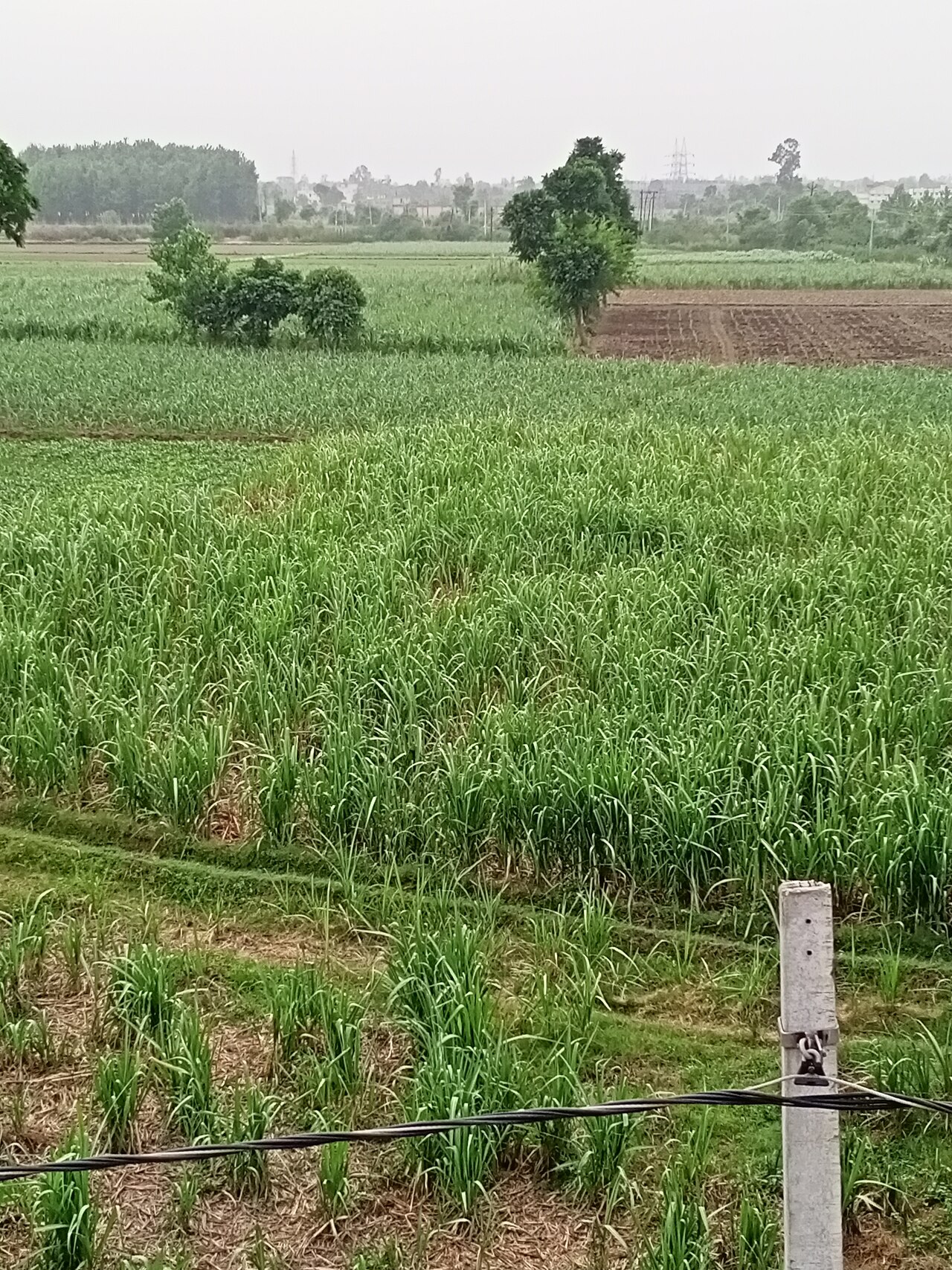
Sugarcane farmers resume Hubballi Chalo padayatra over cane price sharing
ଖବରରେ କାହିଁକି?
Who really fixes the price of cane? The FRP versus SAP split GS-III Agriculture pricing tests
Farmers' Hubballi Chalo padayatra revives the dispute over FRP and a share of sugar and ethanol revenue.
Why it matters: asked in UPSC 2015; factual, Prelims-type; Karnataka-specific
What you need to know
2 ମିନିଟ
Sugarcane farmers have resumed the Hubballi Chalo padayatra demanding a fair share in sugar and ethanol revenues.
Union Minister Pralhad Joshi has asked them to return home for the festival, saying a committee will visit in four to five days.
The Fair and Remunerative Price is fixed by the Centre on the Commission for Agricultural Costs and Prices' recommendation, while States may announce a higher State Advised Price.
ଉତ୍ସ: Topper IAS editorial (PIB / The Hindu / Indian Express)
ମୁଖ୍ୟ ତଥ୍ୟ
Remember these
- FRP (Fair and Remunerative Price) is the minimum price mills must pay for sugarcane, announced by the Union Government.
- The Centre fixes FRP on the recommendation of the Commission for Agricultural Costs and Prices (CACP), after consulting States.
- States may announce a higher State Advised Price (SAP) for cane; mills pay the SAP in such States.
- FRP replaced the earlier Statutory Minimum Price (SMP) from the 2009-10 sugar season.
- Cane pricing and payment are governed by the Sugarcane (Control) Order, 1966 under the Essential Commodities Act, 1955.
ପ୍ରିଲିମ୍ସ · ମେନ୍ସ
How the exam will ask it
ପ୍ରିଲିମ୍ସ
- The Fair and Remunerative Price of sugarcane is announced by the Union Government on the recommendation of the CACP.
- A State Government may announce a State Advised Price higher than the FRP for sugarcane in its State.
- The CACP recommends Minimum Support Prices for notified crops and also advises on the FRP of sugarcane.
- The Sugarcane (Control) Order, 1966 is issued under the Essential Commodities Act, 1955.
ମେନ୍ସ
GS-III (Agriculture pricing, farmer support) with a federal dimension. The FRP is a Union-fixed floor on CACP advice, while States add a higher SAP, and farmers now seek a share of sugar and ethanol revenue beyond FRP. A revenue-sharing formula linked to by-products, timely payment of dues and diversification of mills towards ethanol would balance farmer income against mill viability and fiscal burden.
PYQ connection
A question UPSC has already asked on this
The Fair and Remunerative Price (FRP) of sugarcane is approved by the
- Cabinet Committee on Economic Affairs
- Commission for Agricultural Costs and Prices
- Directorate of Marketing and Inspection, Ministry of Agriculture
- Agricultural Produce Market Committee
ଉତ୍ତର ଦେଖନ୍ତୁ
ଉତ୍ତର: A
Why this matters: today's issue is directly connected to a concept UPSC has already tested. Read the story with this question in mind.
Practise this PYQ →Quick recall
Answer before you reveal
In India, the Fair and Remunerative Price (FRP) of sugarcane is announced by:
- The State Government on the advice of the State Sugar Commissioner
- The Union Government on the recommendation of the Commission for Agricultural Costs and Prices
- The Indian Sugar Mills Association
- The National Bank for Agriculture and Rural Development
ଉତ୍ତର ଦେଖନ୍ତୁ
ଉତ୍ତର: B — The correct answer is the Union Government on the recommendation of the Commission for Agricultural Costs and Prices; States may separately announce a higher State Advised Price.
Convert this topic into marks
Today's 10-MCQ test · instant analysis · Powered by AdaptIQ