
← 16 October 2026's Current Affairs · Environment GA Prelims ★★★★☆ Mains ★★☆☆☆
The Kigali Amendment turns ten
ଖବରରେ କାହିଁକି?
Kigali targets HFCs, not CFCs: the Montreal Protocol amendment every GS-III aspirant must separate
The Kigali Amendment to the Montreal Protocol, adopted in 2016, commits countries to phase down hydrofluorocarbons (HFCs), potent greenhouse gases used in cooling.
Why it matters: asked in UPSC 2016
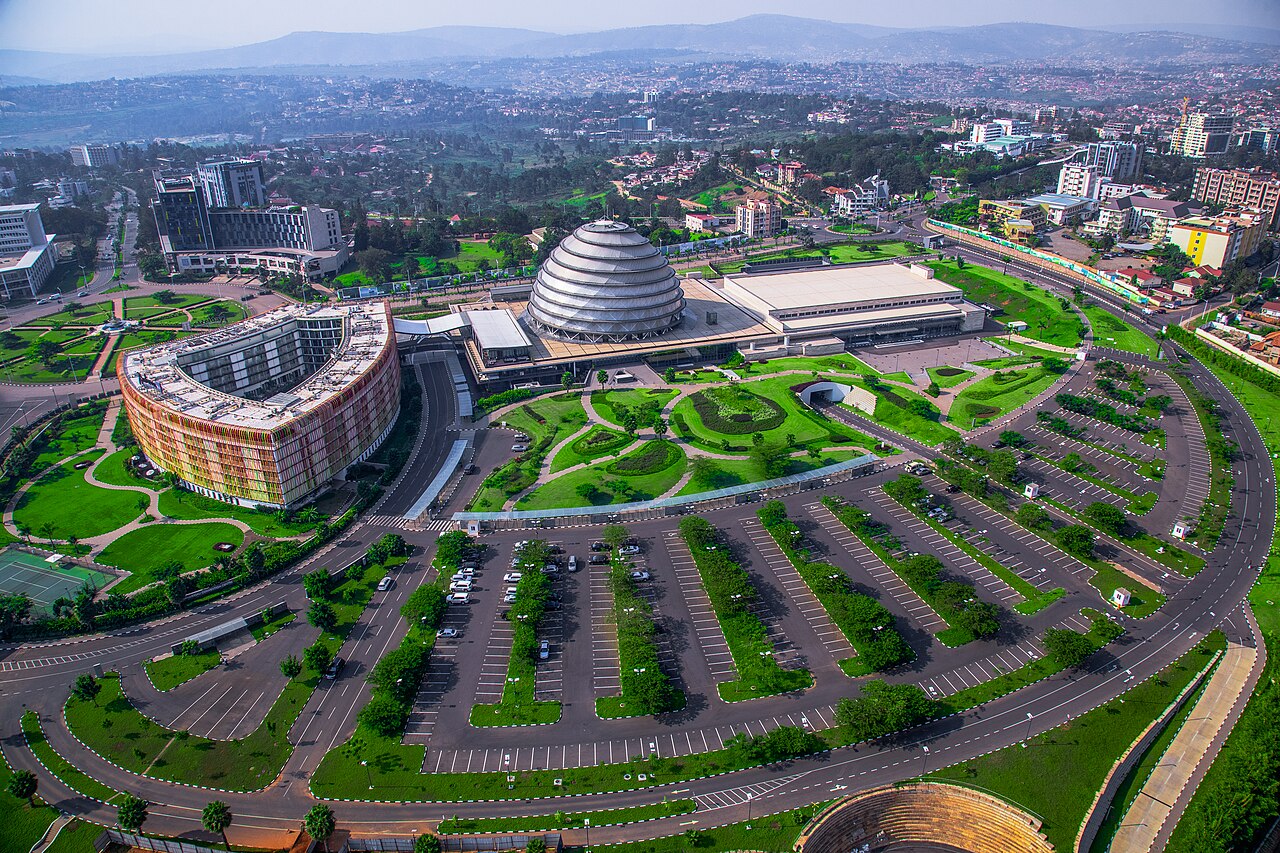
What you need to know
2 ମିନିଟ
The Kigali Amendment to the Montreal Protocol, adopted in 2016, commits countries to phase down hydrofluorocarbons (HFCs), potent greenhouse gases used in cooling.
Its tenth anniversary has put India's choices on cooling and refrigerants in focus.
ଉତ୍ସ: Topper IAS editorial (PIB / The Hindu / Indian Express)
ମୁଖ୍ୟ ତଥ୍ୟ
Remember these
- Kigali Amendment adopted in 2016 at Kigali, Rwanda, as an amendment to the Montreal Protocol (1987)
- It commits countries to phase down hydrofluorocarbons (HFCs), potent greenhouse gases used in cooling
- It entered into force on 1 January 2019
- HFCs do not deplete the ozone layer but have high global warming potential; CFCs were phased out under the original Protocol
- India ratified the Amendment in 2021 and follows a phased reduction schedule beginning in 2032
ପ୍ରିଲିମ୍ସ · ମେନ୍ସ
How the exam will ask it
ପ୍ରିଲିମ୍ସ
- The Kigali Amendment is an amendment to the Montreal Protocol on Substances that Deplete the Ozone Layer.
- The Kigali Amendment seeks to phase down hydrofluorocarbons (HFCs), not chlorofluorocarbons (CFCs).
- HFCs are used mainly in refrigeration and air-conditioning and are potent greenhouse gases, though they do not deplete the ozone layer.
- The Montreal Protocol is a legally binding multilateral environmental agreement, while the Kigali Amendment extends its scope to climate-warming gases.
ମେନ୍ସ
GS-III (Environment; international conventions). Issue: rising cooling demand risks locking in high-warming HFC refrigerants. Provision: the Kigali Amendment sets a phase-down schedule under the Montreal Protocol, with later timelines for developing countries such as India. Implication: India must balance cooling access and industry costs with climate commitments; way forward: promote low-GWP and energy-efficient alternatives, build domestic capacity and strengthen servicing and recycling.
PYQ connection
A question UPSC has already asked on this
With reference to the Agreement at the UNFCCC Meeting in Paris in 2015, which of the following statements is/are correct?
- The Agreement was signed by all the member countries of the UN and it will go into effect in 2017.
- The Agreement aims to limit the greenhouse gas emissions so that the rise in average global temperature by the end of this century does not exceed 2°C or even 1.5°C above pre-industrial levels.
- Developed countries acknowledged their historical responsibility in global warming and committed to donate $1000 billion a year from 2020 to help developing countries to cope with climate change.
Select the correct answer using the code given below.
- 1 and 3 only
- 2 only
- 2 and 3 only
- 1, 2 and 3
ଉତ୍ତର ଦେଖନ୍ତୁ
ଉତ୍ତର: B
Why this matters: today's issue is directly connected to a concept UPSC has already tested. Read the story with this question in mind.
Practise this PYQ →Quick recall
Answer before you reveal
With reference to the Kigali Amendment, consider the following statements:
- It is an amendment to the Montreal Protocol.
- It seeks to phase down the use of chlorofluorocarbons (CFCs).
Which of the statements given above is/are correct?
- 1 only
- 2 only
- Both 1 and 2
- Neither 1 nor 2
ଉତ୍ତର ଦେଖନ୍ତୁ
ଉତ୍ତର: A — The correct answer is 1 only. Statement 1 is correct: the Kigali Amendment, adopted in 2016, amends the Montreal Protocol. Statement 2 is wrong: it targets hydrofluorocarbons (HFCs); CFCs were phased out under the original Protocol.
Convert this topic into marks
Today's 10-MCQ test · instant analysis · Powered by AdaptIQ