
← 6 October 2026's Current Affairs · Society & Sports GA Prelims ★★★☆☆ Mains ★☆☆☆☆
Pneumonic plague suspected after a death at a Siberian institute
ଖବରରେ କାହିଁକି?
A lab death in Siberia, and one bacterium to name: the plague pathogen GS2 Health answers need
Siberian lab death raises a pneumonic plague alarm.
Why it matters: factual, Prelims-type
What you need to know
2 ମିନିଟ
A worker at a plague research institute in Siberia died of pneumonia from an unknown cause, and pneumonic plague is among the diseases being considered.
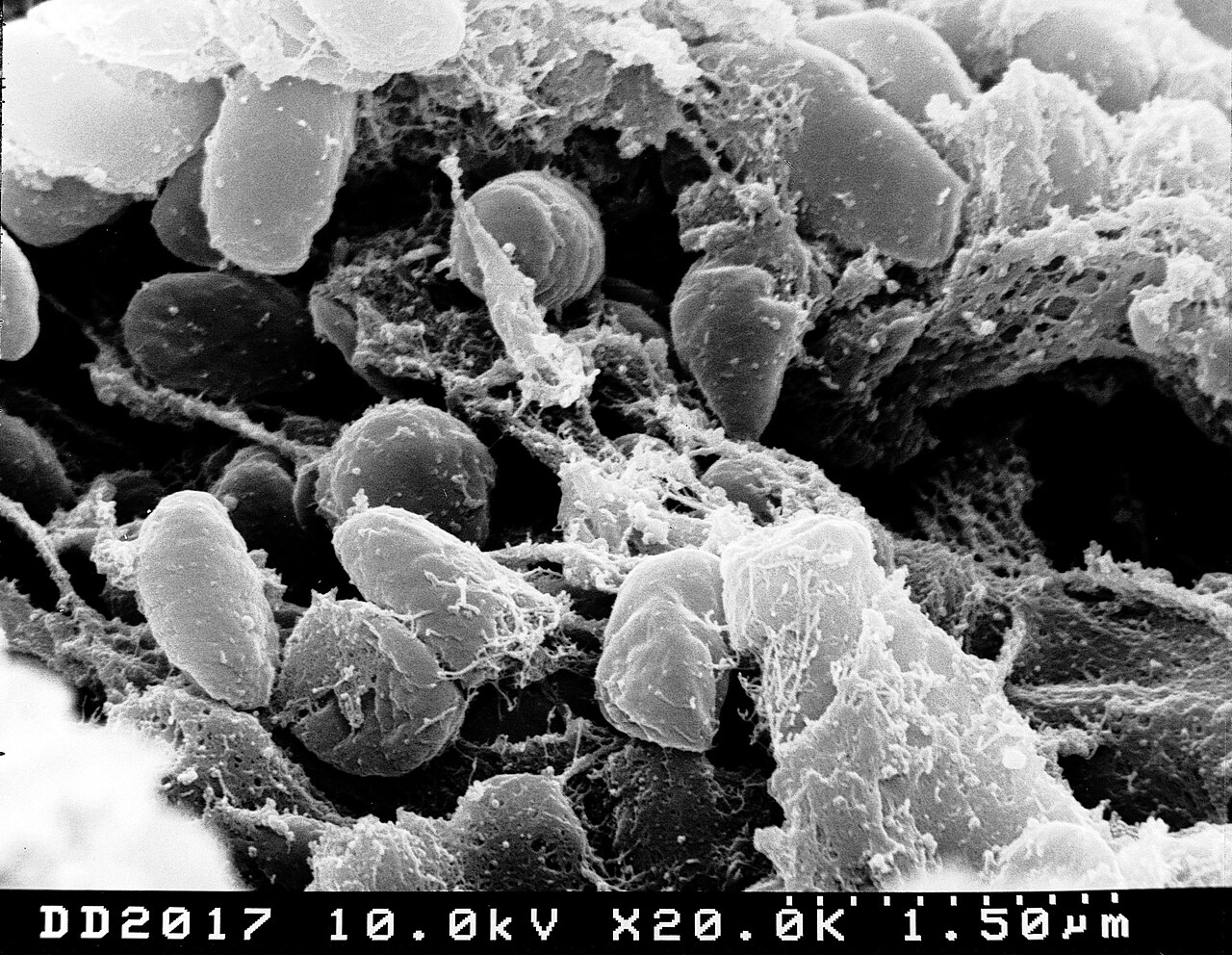
The bacterium Yersinia pestis causes plague, and the pneumonic form is highly infectious and can be fatal if not treated early.
ଉତ୍ସ: Topper IAS editorial (PIB / The Hindu / Indian Express)
ମୁଖ୍ୟ ତଥ୍ୟ
Remember these
- Plague is caused by the bacterium Yersinia pestis.
- Pneumonic plague is the lung form of plague; it is highly infectious and can spread person to person through respiratory droplets.
- It can be fatal if not treated early; antibiotics work best when started soon after symptoms appear.
- Other forms of plague include bubonic (lymph nodes) and septicaemic (bloodstream).
- The Black Death of the 14th century is historically linked to plague.
ପ୍ରିଲିମ୍ସ · ମେନ୍ସ
How the exam will ask it
ପ୍ରିଲିମ୍ସ
- Statement: Plague is caused by Yersinia pestis, a bacterium, and not by a virus. (Correct)
- Statement: Pneumonic plague can spread directly between people through respiratory droplets, unlike bubonic plague, which mainly spreads through flea bites. (Correct)
- Statement: Vibrio cholerae, Bacillus anthracis and Francisella tularensis cause plague. (Incorrect: they cause cholera, anthrax and tularemia respectively)
ମେନ୍ସ
GS2 Health and GS3 Science and Technology: a suspected pneumonic plague death at a Siberian research institute raises the issue of laboratory biosafety and the risk of highly infectious pathogens. Frameworks such as the International Health Regulations (IHR) and national surveillance and biosafety norms govern such events. The implication is that labs handling dangerous pathogens need strict containment, and the way forward is stronger biosafety audits, early detection, rapid reporting and international cooperation.
Quick recall
Answer before you reveal
Pneumonic plague, the disease under suspicion in a fatal case at a Siberian research institute, is caused by the bacterium:
- Vibrio cholerae
- Yersinia pestis
- Bacillus anthracis
- Francisella tularensis
ଉତ୍ତର ଦେଖନ୍ତୁ
ଉତ୍ତର: B — Correct: Yersinia pestis — Plague, including its pneumonic form, is caused by the bacterium Yersinia pestis. • Vibrio cholerae — wrong: Vibrio cholerae causes cholera, an intestinal infection, and not plague. • Bacillus anthracis — wrong: Bacillus anthracis causes anthrax, not plague. • Francisella tularensis — wrong: Francisella tularensis causes tularemia, a different zoonotic disease.
Convert this topic into marks
Today's 10-MCQ test · instant analysis · Powered by AdaptIQ