
← 1 November 2026's Current Affairs · Karnataka KPSC Prelims ★★★★★ Mains ★★☆☆☆
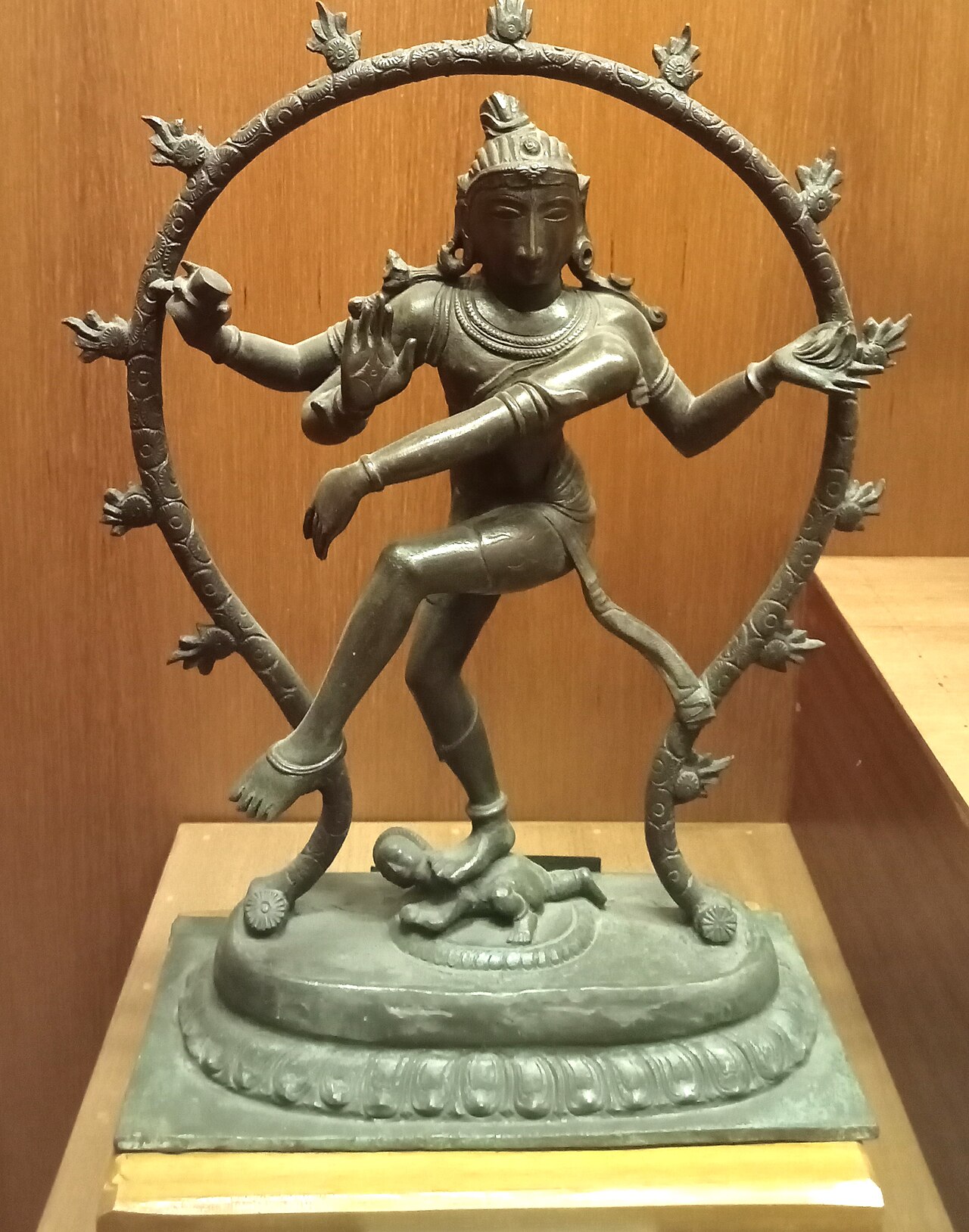
Chola-era Nataraja and Sivakami bronzes unearthed in Nagapattinam
बातमीत का?
Nagapattinam yields Nataraja and Sivakami: the lost-wax casting method every Chola bronze answer must name
Chola-era Nataraja and Sivakami idols found in Nagapattinam.
Why it matters: asked in UPSC 1995; factual, Prelims-type; Karnataka-specific
What you need to know
2 मिनिटे
The Tamil Nadu State Department of Archaeology unearthed bronze-alloy idols of Nataraja and Sivakami with their pedestals during excavations in Nagapattinam on 30 October 2026.
Chola bronzes are famed worldwide and were made by the lost-wax technique.
स्रोत: Topper IAS editorial (PIB / The Hindu / Indian Express)
महत्त्वाची तथ्ये
Remember these
- Tamil Nadu State Department of Archaeology unearthed bronze-alloy Nataraja and Sivakami idols with pedestals in Nagapattinam on 30 October 2026
- Chola bronzes are made by the lost-wax (cire perdue) technique
- The Nataraja depicts Shiva as Lord of the Dance, a signature Chola icon
- Sivakami is the consort of Shiva, usually shown beside Nataraja
- Nagapattinam was a major Chola-era port town on the Coromandel coast
पूर्व · मुख्य
How the exam will ask it
पूर्व
- Chola bronze icons were cast by the lost-wax (cire perdue) process, in which a wax model is coated in clay and the wax melted out before molten metal is poured in.
- Chola bronzes are generally made of a panchaloha-type bronze alloy and are among the most celebrated metal sculptures of medieval India.
- The Nataraja form of Shiva is a hallmark of South Indian Chola art, and Sivakami is the goddess consort depicted with it.
मुख्य
GS1 (Art and Culture; Ancient/medieval India): Chola bronzes show the peak of South Indian metal sculpture, linking temple ritual, patronage and the lost-wax craft. Archaeological finds such as the Nagapattinam idols add evidence on Chola religious life and artistic traditions. Way forward: scientific documentation, proper conservation and provenance records, and curbing illicit antiquities trade while promoting heritage awareness.
PYQ connection
A question UPSC has already asked on this
Bronze icons of Nataraja cast during the Chola period invariably show the deity with:
- eight hands
- six hands
- four hands
- two hands
उत्तर पहा
उत्तर: C
Why this matters: today's issue is directly connected to a concept UPSC has already tested. Read the story with this question in mind.
Practise this PYQ →Quick recall
Answer before you reveal
Chola-era bronze idols such as Nataraja, like those unearthed in Nagapattinam, were traditionally cast by which technique?
- Sand casting
- Die casting
- Lost-wax (cire perdue) casting
- Repoussé hammering
उत्तर पहा
उत्तर: C — Correct: Lost-wax (cire perdue) casting — Chola bronzes were made by lost-wax (cire perdue) casting, using a wax model coated in clay. • Sand casting — wrong: Sand casting is an industrial method, not the traditional Chola technique. • Die casting — wrong: Die casting is a modern industrial process. • Repoussé hammering — wrong: Repoussé is a metal-hammering technique and does not produce cast icons.
Convert this topic into marks
Today's 10-MCQ test · instant analysis · Powered by AdaptIQ