
← 22 October 2026's Current Affairs · Science & Tech GA Prelims ★★★☆☆ Mains ★★☆☆☆
Nigeria confirms its first Ebola case, of the Bundibugyo strain
बातमीत का?
Nigeria's first Ebola case is the Bundibugyo strain: what GS-III Science and GS-II Health ask about it
Nigeria reports its first Ebola case (Bundibugyo strain) as the outbreak in Congo continues.
Why it matters: general awareness
What you need to know
2 मिनिटे
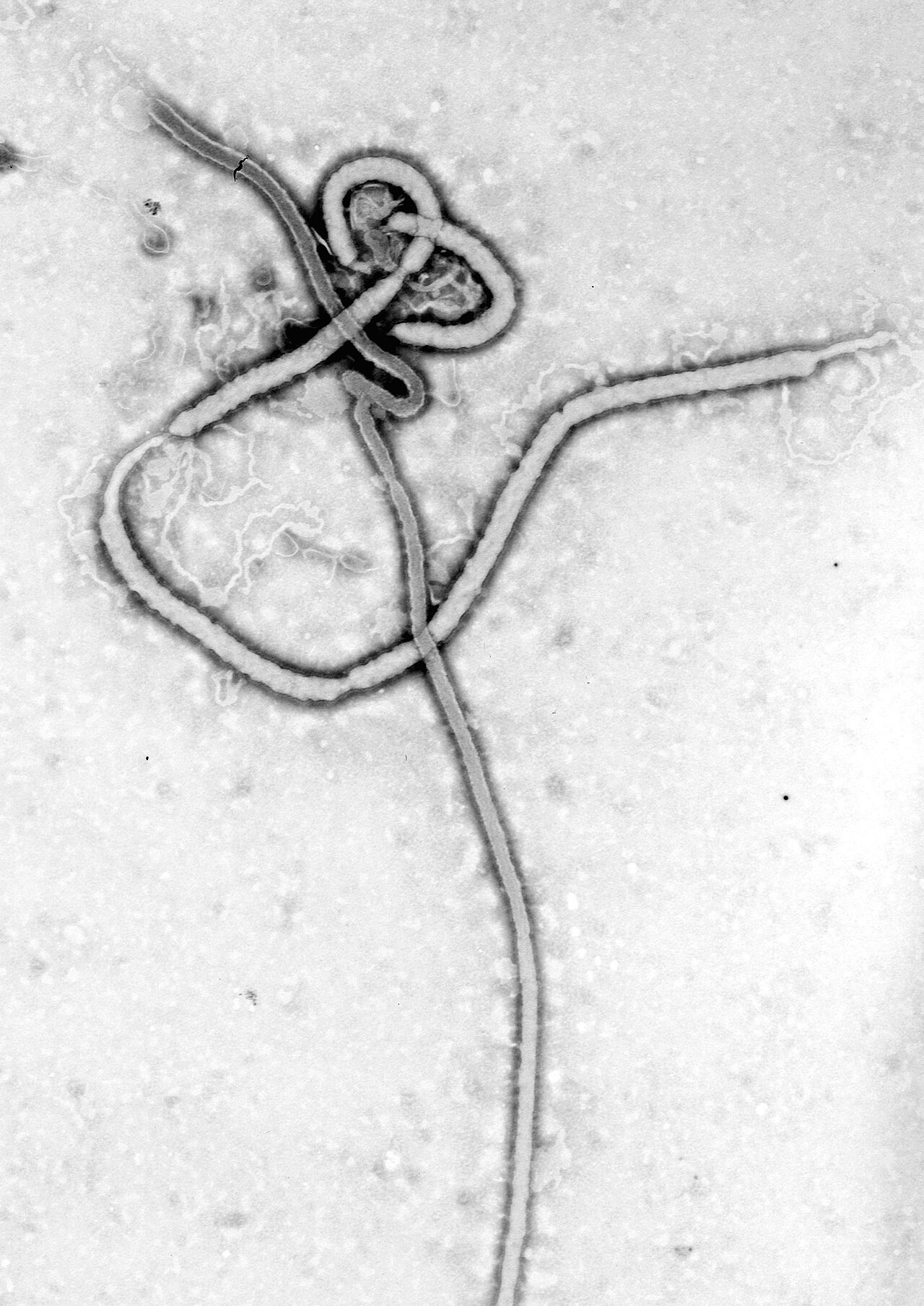
Nigeria has confirmed its first Ebola case, identified through molecular tests as the Bundibugyo strain.
The disease is also spreading in eastern Congo, where families are bearing a growing mental-health toll.
Ebola is a severe viral haemorrhagic fever transmitted through contact with the body fluids of infected people or animals.
स्रोत: Topper IAS editorial (PIB / The Hindu / Indian Express)
महत्त्वाची तथ्ये
Remember these
- Nigeria has confirmed its first Ebola case; molecular tests identified the Bundibugyo strain
- The disease is also spreading in eastern Congo, where families face a growing mental-health toll
- Ebola is a severe viral haemorrhagic fever
- It spreads through contact with the body fluids of infected people or animals
- Bundibugyo is one of the Ebola virus species, distinct from the better-known Zaire strain
पूर्व · मुख्य
How the exam will ask it
पूर्व
- Ebola is a viral haemorrhagic fever transmitted through direct contact with the body fluids of infected people or animals.
- Bundibugyo is a distinct strain of the Ebola virus, identified here through molecular tests.
- Ebola is a zoonotic disease: it can pass from animals to humans and then spread between people.
मुख्य
GS-II (Health) and GS-III (Science): the issue is the cross-border spread of a high-fatality zoonotic virus. The relevant policy tools are the WHO's International Health Regulations, surveillance and molecular diagnostics, and contact tracing. The implications are for regional health security and for the mental-health burden on affected families. The way forward is stronger surveillance, rapid diagnostics, vaccine and treatment access, and community-based psychosocial support.
Quick recall
Answer before you reveal
With reference to preventive detention under Article 22 of the Constitution, consider the following statements:
- Article 22 provides safeguards to persons arrested or detained.
- Detention under a preventive detention law beyond three months requires the opinion of an Advisory Board, unless Parliament provides otherwise as permitted by that provision.
Which of the statements given above is/are correct?
- 1 only
- 2 only
- Both 1 and 2
- Neither 1 nor 2
उत्तर पहा
उत्तर: C — The correct answer is Both 1 and 2. Both 1 and 2 are correct: Article 22 protects arrested and detained persons, and detention beyond three months ordinarily needs an Advisory Board's opinion.
Convert this topic into marks
Today's 10-MCQ test · instant analysis · Powered by AdaptIQ