
← 10 November 2026's Current Affairs · Science & Tech GS-1 Prelims ★★★★☆ Mains ★★☆☆☆
Quick scan: Micromoon
വാർത്തയിൽ എന്തുകൊണ്ട്?
Why a full Moon can look smaller: the apogee versus perigee contrast for GS Paper 1 astronomy
A micromoon is a full Moon at apogee, appearing smaller than usual.
Why it matters: factual, Prelims-type
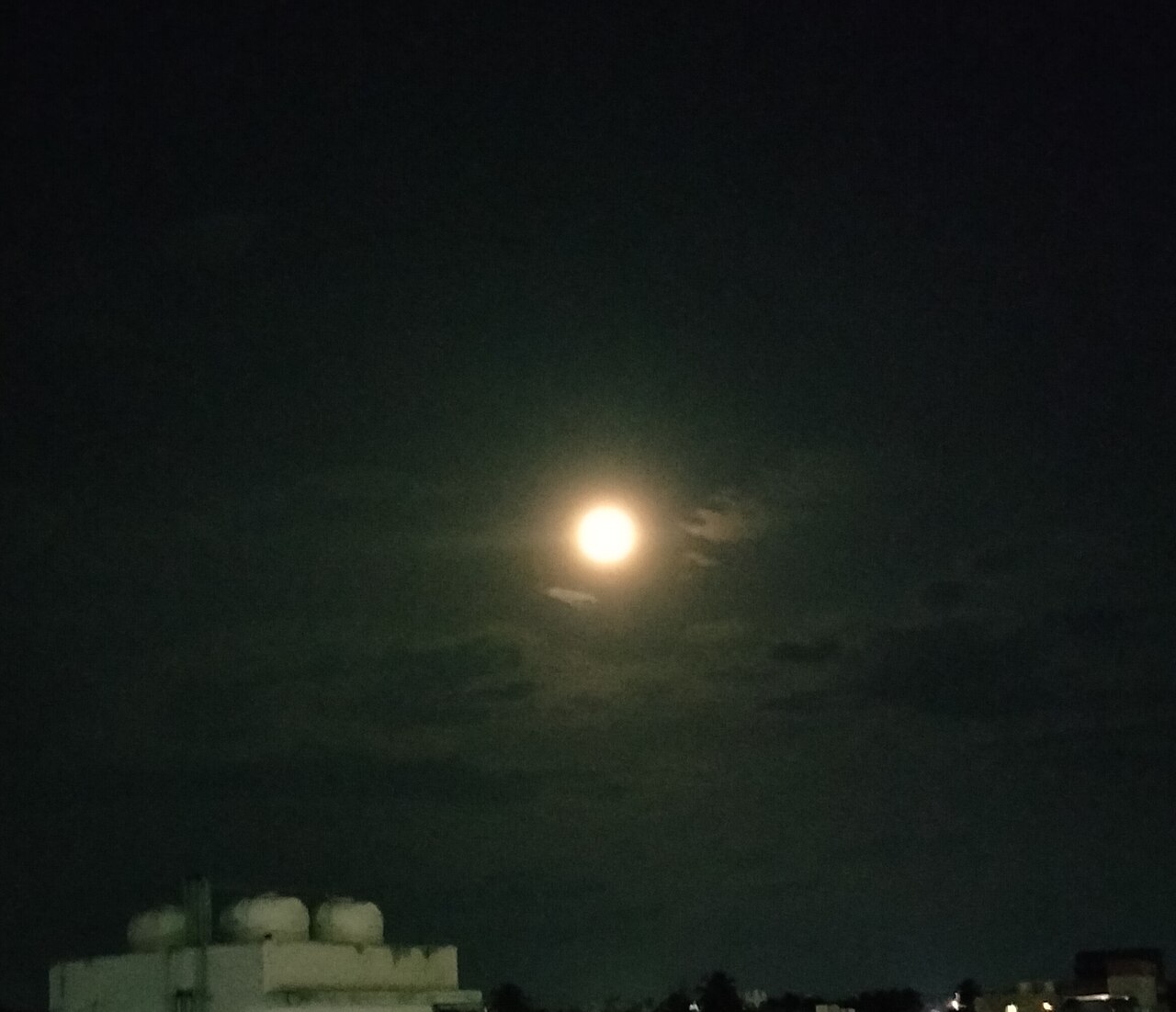
What you need to know
2 മിനിറ്റ്
A micromoon occurs when a full or new Moon coincides with apogee, the point in its orbit farthest from Earth, so it looks slightly smaller and dimmer than average.
The opposite event, with the Moon near perigee, is a supermoon.
The Moon's orbit is an ellipse, which is why its distance and apparent size vary.
ഉറവിടങ്ങൾ: Topper IAS editorial (PIB / The Hindu / Indian Express)
പ്രധാന വസ്തുതകൾ
Remember these
- Micromoon: a full or new Moon that coincides with apogee, the point in its orbit farthest from Earth
- At apogee the Moon looks slightly smaller and dimmer than average
- Supermoon is the opposite event: the Moon near perigee, its closest point to Earth
- The Moon's orbit is an ellipse, so its distance and apparent size vary
- Apogee and perigee describe the Moon's orbit around Earth; aphelion and perihelion describe Earth's orbit around the Sun
പ്രിലിംസ് · മെയിൻസ്
How the exam will ask it
പ്രിലിംസ്
- A micromoon occurs when a full or new Moon coincides with the Moon's apogee.
- A supermoon occurs when the Moon is near perigee and so appears slightly larger and brighter.
- The variation in the Moon's apparent size arises because its orbit around Earth is elliptical, not circular.
- Apogee and perigee refer to the Moon's orbit around Earth, whereas aphelion refers to Earth's orbit around the Sun.
മെയിൻസ്
GS Paper 1 (Geography/Astronomy): the issue is why the Moon's apparent size changes. The elliptical lunar orbit produces apogee and perigee, and a full or new Moon at these points gives a micromoon or supermoon. The implication is that tides and sky appearance vary slightly, so the way forward is to explain such events with the underlying orbital mechanics rather than as anomalies.
Quick recall
Answer before you reveal
A 'micromoon' occurs when a full Moon coincides with the Moon being at its:
- Perigee
- Descending node
- Apogee
- Aphelion
ഉത്തരം കാണിക്കൂ
ഉത്തരം: C — Correct: Apogee — Apogee is the point farthest from Earth, so the Moon looks smaller and dimmer: a micromoon. • Perigee — wrong: Perigee is the closest point to Earth; a full Moon there is a supermoon, the opposite of a micromoon. • Descending node — wrong: The descending node is where the Moon crosses the ecliptic southward, and it does not govern apparent size. • Aphelion — wrong: Aphelion refers to Earth's farthest point from the Sun, not a point in the Moon's orbit around Earth.
Convert this topic into marks
Today's 10-MCQ test · instant analysis · Powered by AdaptIQ