
← 7 November 2026's Current Affairs · Science & Tech GA Prelims ★★★★★ Mains ★★☆☆☆
ISRO's NVS-03 reaches its geosynchronous orbit
വാർത്തയിൽ എന്തുകൊണ്ട്?
Four manoeuvres, one orbit: the NVS-03 and NavIC facts GS3 Space Technology questions test
NVS-03 settles in geosynchronous orbit to bolster NavIC.
Why it matters: asked in UPSC 2018; factual, Prelims-type
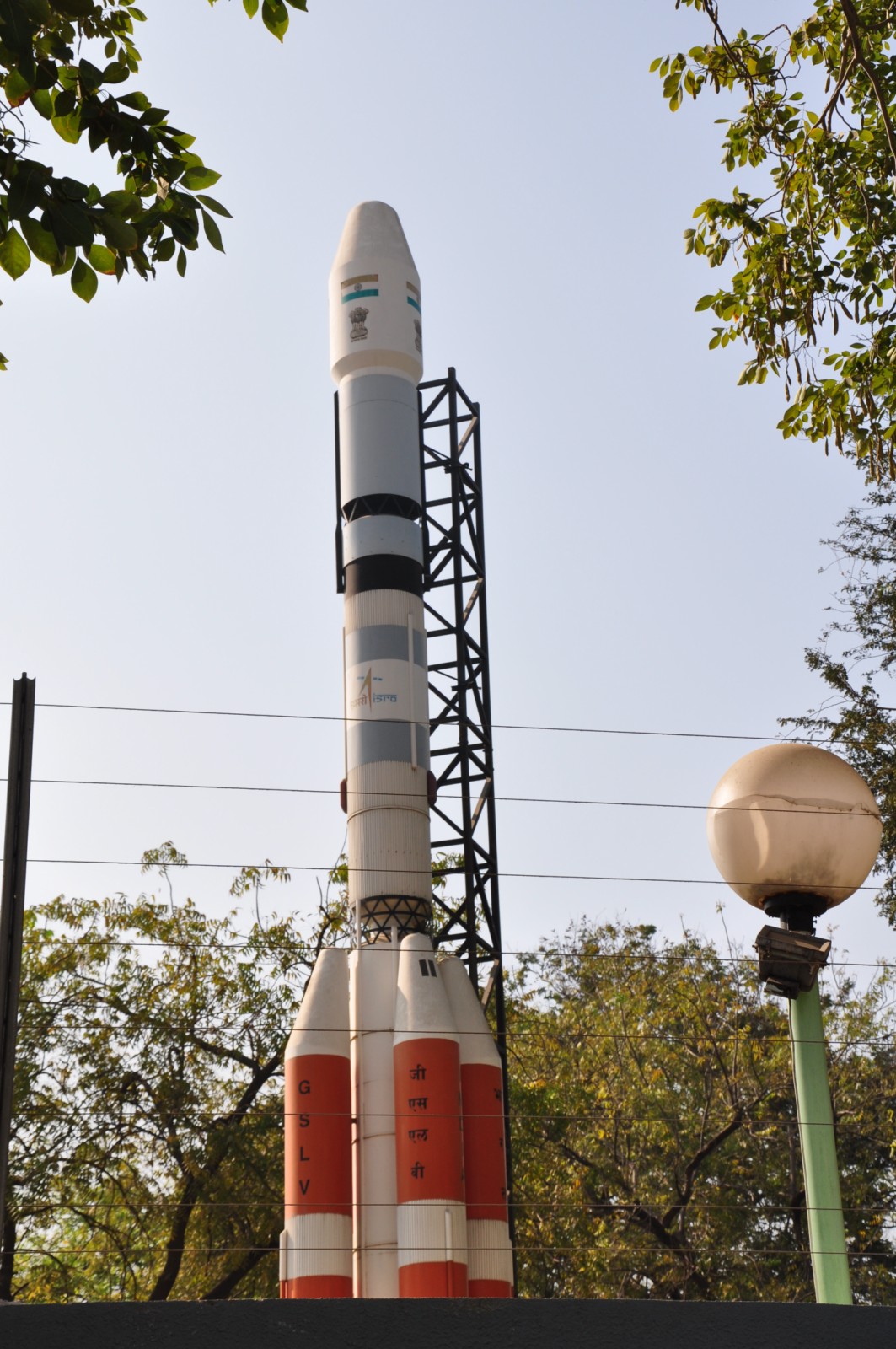
What you need to know
2 മിനിറ്റ്
ISRO's NVS-03 navigation satellite has reached its intended geosynchronous orbit after four successful manoeuvres.
The NVS series is meant to strengthen NavIC, India's regional navigation system.
ഉറവിടങ്ങൾ: Topper IAS editorial (PIB / The Hindu / Indian Express)
പ്രധാന വസ്തുതകൾ
Remember these
- NVS-03 is an ISRO navigation satellite that reached its intended geosynchronous orbit after four manoeuvres.
- NVS satellites are second-generation satellites meant to strengthen NavIC.
- NavIC stands for Navigation with Indian Constellation; it was earlier called IRNSS.
- NavIC is India's regional navigation system, operated by ISRO.
- NVS-01, the first of the series, was launched in May 2023 on GSLV-F12.
പ്രിലിംസ് · മെയിൻസ്
How the exam will ask it
പ്രിലിംസ്
- NavIC is an independent regional satellite navigation system developed by India, unlike GAGAN, which is an augmentation system for GPS signals.
- NVS-series satellites are intended to replace and strengthen the first-generation IRNSS satellites in the NavIC constellation.
- A geosynchronous orbit has a period matching Earth's rotation, at an altitude of about 35,786 km.
മെയിൻസ്
GS3 (Science and Technology: space). Issue: dependence on foreign GNSS such as GPS for civil and strategic needs -> policy: NavIC and its second-generation NVS satellites give India an indigenous regional navigation capability -> implication: better strategic autonomy, and the satellites support transport, disaster management and timing services -> way forward: complete the constellation, push NavIC-enabled chipsets into consumer devices and sustain launch cadence.
PYQ connection
A question UPSC has already asked on this
With reference to the Indian Regional Navigation Satellite System (IRNSS), consider the following statements:
- IRNSS has three satellites in geostationary and four satellites in geosynchronous orbits.
- IRNSS covers entire India and about 5500 sq. km beyond its borders.
- India will have its own satellite navigation system with full global coverage by the middle of 2019.
Which of the statements given above is/are correct?
- 1 only
- 1 and 2 only
- 2 and 3 only
- None
ഉത്തരം കാണിക്കൂ
ഉത്തരം: A
Why this matters: today's issue is directly connected to a concept UPSC has already tested. Read the story with this question in mind.
Practise this PYQ →Quick recall
Answer before you reveal
ISRO's NVS series of satellites, such as NVS-03, belongs to which Indian navigation system?
- GAGAN
- NavIC
- Bhuvan
- IRNSS-Plus Beidou link
ഉത്തരം കാണിക്കൂ
ഉത്തരം: B — Correct answer: NavIC. NVS satellites are second-generation satellites for NavIC, India's regional navigation system.
Convert this topic into marks
Today's 10-MCQ test · instant analysis · Powered by AdaptIQ