
← 27 October 2026's Current Affairs · Environment GA Prelims ★★★★☆ Mains ★★☆☆☆
Report warns all coral reef ecosystems may collapse by 2075
വാർത്തയിൽ എന്തുകൊണ്ട്?
Reefs may collapse by 2075: the zooxanthellae link that explains coral bleaching for GS3 Environment
Report warns all coral reef ecosystems may collapse by 2075.
Why it matters: factual, Prelims-type
What you need to know
2 മിനിറ്റ്
A new report warns that all coral reef ecosystems could collapse by 2075 if current trends continue.
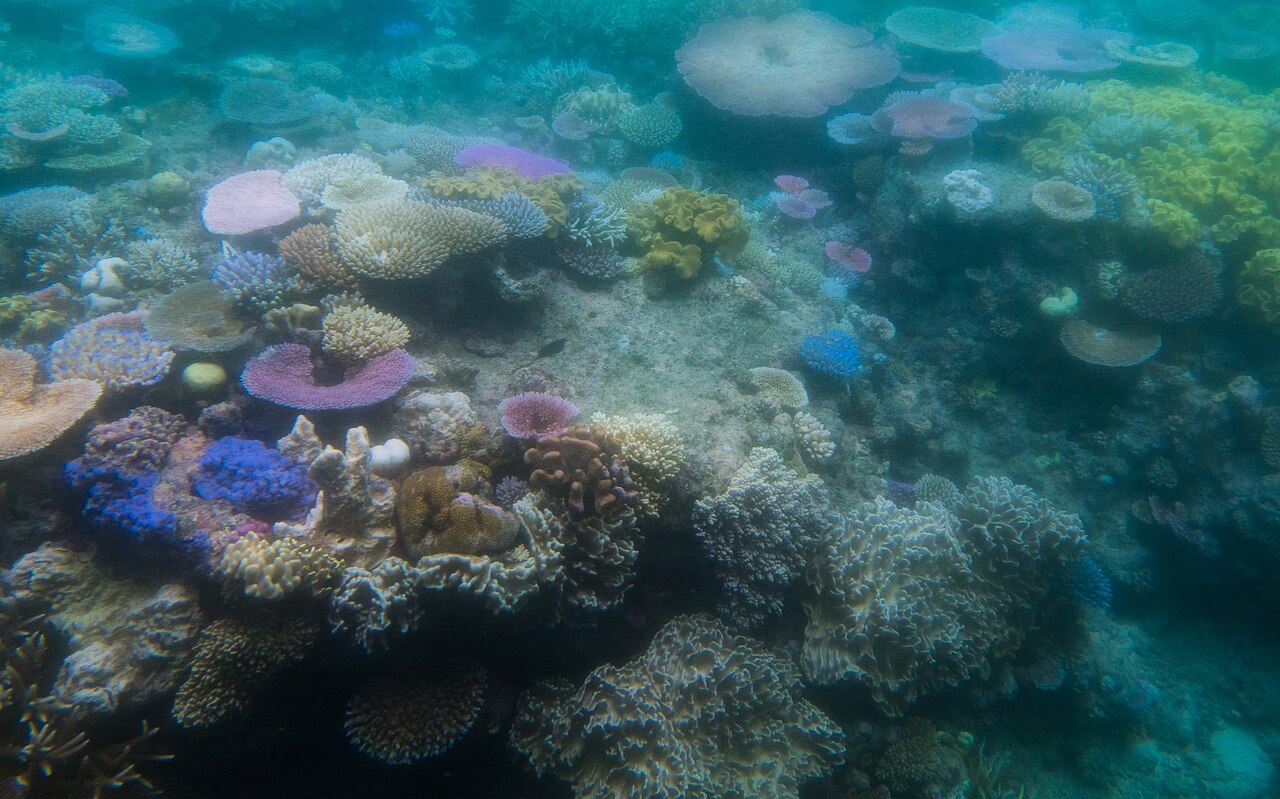
Corals depend on symbiotic algae living in their tissues, and rising sea temperatures cause them to expel these algae, leading to bleaching.
Reefs shelter a large share of marine species and protect coasts from storm waves.
ഉറവിടങ്ങൾ: Topper IAS editorial (PIB / The Hindu / Indian Express)
പ്രധാന വസ്തുതകൾ
Remember these
- A new report warns all coral reef ecosystems could collapse by 2075 if current trends continue.
- Corals live in symbiosis with algae called zooxanthellae, which live inside coral tissue and supply food and colour.
- Rising sea temperatures make corals expel the algae, leaving them white: this is coral bleaching.
- Reefs cover under 1% of the ocean floor but shelter roughly a quarter of marine species.
- India's major coral reef areas: Gulf of Mannar, Gulf of Kutch, Lakshadweep, and Andaman and Nicobar Islands.
പ്രിലിംസ് · മെയിൻസ്
How the exam will ask it
പ്രിലിംസ്
- Coral bleaching is caused by the expulsion of symbiotic zooxanthellae by corals under stress, mainly from raised sea temperatures.
- Bleached corals are not necessarily dead; they can recover if conditions normalise in time.
- Coral reefs act as natural barriers that reduce the impact of storm waves on coasts.
- Corals are animals (cnidarians), while zooxanthellae are photosynthetic algae.
മെയിൻസ്
GS3 Environment: warming seas and ocean stress are driving bleaching, threatening reef biodiversity, fisheries and coastal protection. Policy levers include the Paris Agreement emission goals, Coastal Regulation Zone rules, marine protected areas and reef restoration. The way forward is deep emission cuts, reducing local pollution and overfishing, and community-based monitoring of reefs.
Quick recall
Answer before you reveal
Coral bleaching occurs mainly when corals expel the symbiotic algae living in their tissues, which are known as:
- Diatoms
- Cyanobacteria
- Kelp
- Zooxanthellae
ഉത്തരം കാണിക്കൂ
ഉത്തരം: D — The correct answer is zooxanthellae. These photosynthetic algae give corals their colour and much of their food; under heat stress they are expelled and the coral turns white.
Convert this topic into marks
Today's 10-MCQ test · instant analysis · Powered by AdaptIQ