
← 3 November 2026's Current Affairs · Science & Tech GA Prelims ★★★★☆ Mains ★★☆☆☆
Quick scan: quark-gluon plasma signs seen in oxygen collisions at RHIC
ಸುದ್ದಿಯಲ್ಲಿ ಏಕೆ?
Which state of matter filled the early universe? Quark-gluon plasma, now seen at RHIC, for GS3
STAR reports quark-gluon plasma signals from oxygen collisions at RHIC.
Why it matters: factual, Prelims-type
What you need to know
2 ನಿಮಿಷ
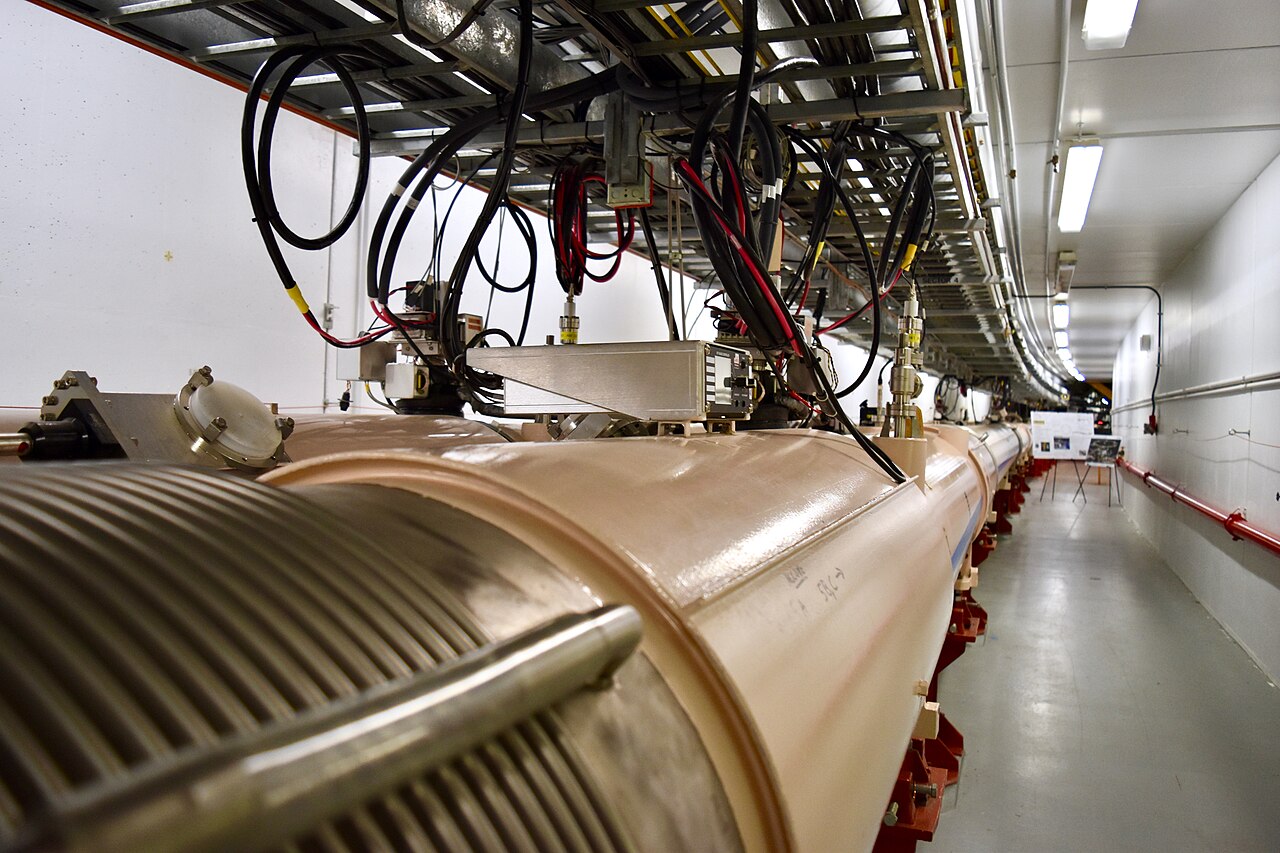
On 30 October 2026 the STAR experiment at the Relativistic Heavy Ion Collider at Brookhaven National Laboratory reported evidence of quark-gluon plasma in collisions involving oxygen.
Quark-gluon plasma is the hot, dense state of matter believed to have filled the early universe moments after the Big Bang.
Such results help study the strong nuclear force.
ಮೂಲಗಳು: Topper IAS editorial (PIB / The Hindu / Indian Express)
ಮುಖ್ಯ ಅಂಶಗಳು
Remember these
- On 30 October 2026 the STAR experiment reported evidence of quark-gluon plasma in collisions involving oxygen.
- STAR is an experiment at the Relativistic Heavy Ion Collider (RHIC) at Brookhaven National Laboratory, United States.
- Quark-gluon plasma is a hot, dense state of matter believed to have filled the early universe moments after the Big Bang.
- In it, quarks and gluons are not confined inside protons and neutrons; gluons carry the strong nuclear force.
- Such results help scientists study the strong nuclear force, one of the four fundamental forces.
ಪ್ರಿಲಿಮ್ಸ್ · ಮೇನ್ಸ್
How the exam will ask it
ಪ್ರಿಲಿಮ್ಸ್
- Quark-gluon plasma is a state of matter in which quarks and gluons move freely instead of being confined within protons and neutrons.
- Gluons are the carriers of the strong nuclear force that binds quarks together.
- The Relativistic Heavy Ion Collider is located at Brookhaven National Laboratory in the United States and collides heavy ions at near light speed.
- Quark-gluon plasma is believed to have existed in the first moments after the Big Bang.
ಮೇನ್ಸ್
GS3 Science and Technology: the study of early-universe matter through collider experiments such as STAR at RHIC advances understanding of the strong nuclear force and the origin of matter. The issue for India is its participation in big-science collaborations (CERN, ALICE, FAIR) and the spin-offs in computing, detectors and medical imaging. The way forward is sustained funding for fundamental research, access to international facilities and training of physicists.
Quick recall
Answer before you reveal
ನಗರ ಯೋಜನೆಯಲ್ಲಿ ವರ್ಗಾಯಿಸಬಹುದಾದ ಅಭಿವೃದ್ಧಿ ಹಕ್ಕುಗಳನ್ನು (TDR) ಸಾಮಾನ್ಯವಾಗಿ ಯಾರಿಗೆ ನೀಡಲಾಗುತ್ತದೆ?
- ರಸ್ತೆ ಅಗಲೀಕರಣದಂತಹ ಸಾರ್ವಜನಿಕ ಉದ್ದೇಶಕ್ಕೆ ಭೂಮಿ ಬಿಟ್ಟುಕೊಡುವ ಮಾಲೀಕರಿಗೆ
- ಮಂಜೂರಾದ ನೆಲ ವಿಸ್ತೀರ್ಣ ಅನುಪಾತವನ್ನು ಮೀರಿ ಕಟ್ಟುವ ಅಭಿವೃದ್ಧಿದಾರರಿಗೆ
- ವಾಸಯೋಗ್ಯ ಪ್ರಮಾಣಪತ್ರ ಪಡೆಯುವ ವಸತಿ ಸಂಘಗಳಿಗೆ
- ಯೋಜನೆ ಪೂರ್ಣಗೊಂಡಾಗ ಆವರಣ ಖಾಲಿ ಮಾಡುವ ಬಾಡಿಗೆದಾರರಿಗೆ
ಉತ್ತರ ನೋಡಿ
ಉತ್ತರ: A — ಸರಿಯಾದ ಉತ್ತರ: ರಸ್ತೆ ಅಗಲೀಕರಣದಂತಹ ಸಾರ್ವಜನಿಕ ಉದ್ದೇಶಕ್ಕೆ ಭೂಮಿ ಬಿಟ್ಟುಕೊಡುವ ಮಾಲೀಕರಿಗೆ — ಬೇರೆಡೆ ಬಳಸಬಹುದಾದ ಅಭಿವೃದ್ಧಿ ಹಕ್ಕುಗಳನ್ನು ಪರಿಹಾರವಾಗಿ ನೀಡಲಾಗುತ್ತದೆ.
Convert this topic into marks
Today's 10-MCQ test · instant analysis · Powered by AdaptIQ