
← 30 October 2026's Current Affairs · Society & Sports GA Prelims ★★☆☆☆ Mains ★☆☆☆☆
Cyclone Arnab brings rain across India
ಸುದ್ದಿಯಲ್ಲಿ ಏಕೆ?
Who names Cyclone Arnab? The WMO/ESCAP Panel list and IMD's RSMC role, explained for Prelims
Cyclone Arnab: heavy rain, orange alerts; low casualties.
Why it matters: general awareness
What you need to know
2 ನಿಮಿಷ
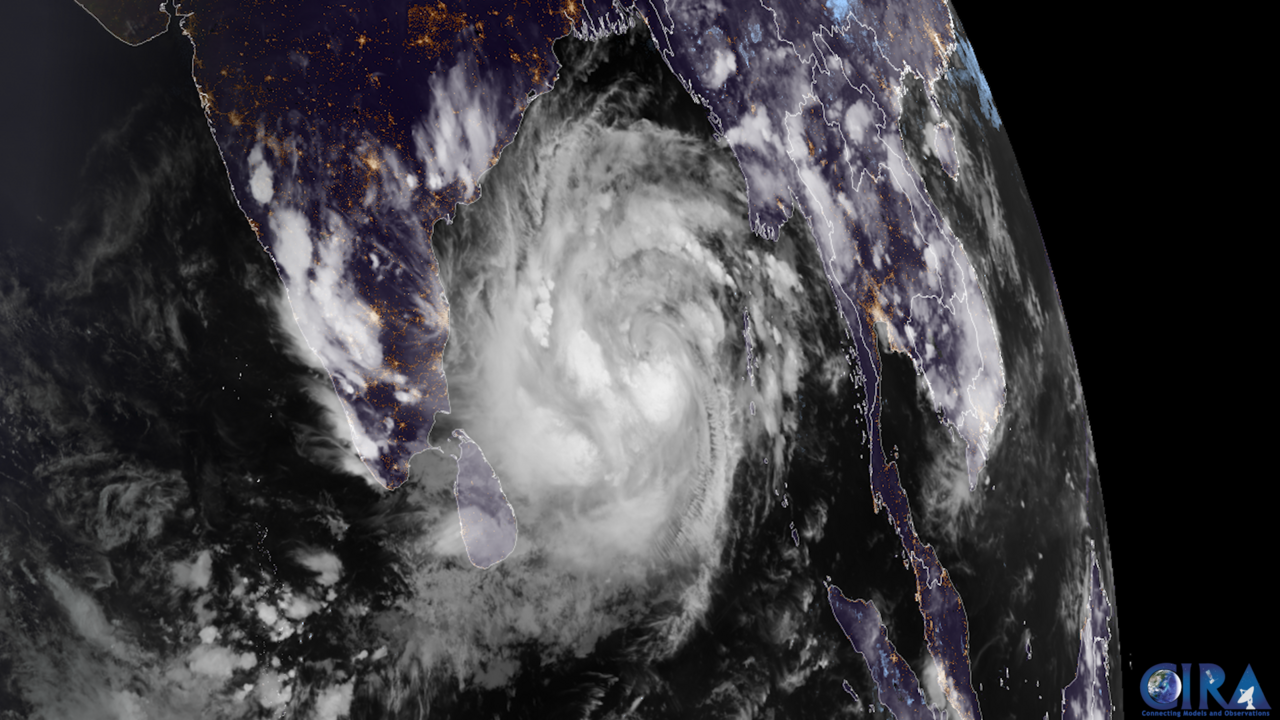
Cyclone Arnab approached the Andhra coast, and IMD issued orange alerts across several states, including Karnataka, with heavy rain and a drop in temperatures.
A lingering low-pressure system near Tamil Nadu may have added moisture but did not merge with it.
Commentators credit proactive governance for the low casualties.
Cyclones of the North Indian Ocean are named from a list proposed by member countries of the WMO/ESCAP Panel on Tropical Cyclones, with IMD New Delhi as the regional specialised centre.
ಮೂಲಗಳು: Topper IAS editorial (PIB / The Hindu / Indian Express)
ಮುಖ್ಯ ಅಂಶಗಳು
Remember these
- Cyclone Arnab approached the Andhra Pradesh coast; IMD issued orange alerts in several states including Karnataka
- Orange alert signals heavy rain and a need to be prepared; IMD uses green, yellow, orange and red colour codes
- North Indian Ocean cyclone names come from a list proposed by member countries of the WMO/ESCAP Panel on Tropical Cyclones
- IMD New Delhi is the WMO Regional Specialised Meteorological Centre (RSMC) for tropical cyclones in the region
- A low-pressure system near Tamil Nadu may have added moisture but did not merge with the cyclone
ಪ್ರಿಲಿಮ್ಸ್ · ಮೇನ್ಸ್
How the exam will ask it
ಪ್ರಿಲಿಮ್ಸ್
- IMD, New Delhi is a WMO Regional Specialised Meteorological Centre for tropical cyclones over the North Indian Ocean.
- Names of North Indian Ocean cyclones are drawn from a list proposed by member countries of the WMO/ESCAP Panel on Tropical Cyclones.
- IMD's colour-coded warnings run from green to red; orange asks authorities and public to be prepared for severe weather.
ಮೇನ್ಸ್
GS1 (Geography: cyclones) and GS3 (Disaster management). Issue: a cyclone brings heavy rain and orange alerts across several states. Provision/policy: early warning by IMD as RSMC, backed by the Disaster Management Act, 2005 and NDMA/SDMA preparedness. Implication: low casualties show the value of early warning and coordination; way forward is stronger last-mile alerts, resilient coastal infrastructure and clear attribution of causes rather than credit claims.
Quick recall
Answer before you reveal
ಉತ್ತರ ಹಿಂದೂ ಮಹಾಸಾಗರದ ಚಂಡಮಾರುತಗಳ ಕುರಿತು ಈ ಕೆಳಗಿನ ಹೇಳಿಕೆಗಳನ್ನು ಪರಿಗಣಿಸಿ:
- ನವದೆಹಲಿಯ ಭಾರತೀಯ ಹವಾಮಾನ ಇಲಾಖೆಯು ಈ ಪ್ರದೇಶದ ಉಷ್ಣವಲಯ ಚಂಡಮಾರುತಗಳಿಗೆ WMO ಪ್ರಾದೇಶಿಕ ವಿಶೇಷ ಹವಾಮಾನ ಕೇಂದ್ರವಾಗಿ ಕಾರ್ಯನಿರ್ವಹಿಸುತ್ತದೆ.
- ಈ ಪ್ರದೇಶದ ಚಂಡಮಾರುತಗಳ ಹೆಸರುಗಳನ್ನು WMO/ESCAP ಉಷ್ಣವಲಯ ಚಂಡಮಾರುತ ಸಮಿತಿಯ ಸದಸ್ಯ ದೇಶಗಳು ಸೂಚಿಸಿದ ಪಟ್ಟಿಯಿಂದ ಆರಿಸಲಾಗುತ್ತದೆ. ಮೇಲಿನ ಹೇಳಿಕೆಗಳಲ್ಲಿ ಯಾವುದು/ಯಾವವು ಸರಿಯಾಗಿವೆ?
- 1 ಮಾತ್ರ
- 2 ಮಾತ್ರ
- 1 ಮತ್ತು 2 ಎರಡೂ
- 1 ಅಥವಾ 2 ಯಾವುದೂ ಅಲ್ಲ
ಉತ್ತರ ನೋಡಿ
ಉತ್ತರ: C — ಸರಿಯಾದ ಉತ್ತರ: 1 ಮತ್ತು 2 ಎರಡೂ — IMD ನವದೆಹಲಿ ಪ್ರಾದೇಶಿಕ ವಿಶೇಷ ಕೇಂದ್ರ; ಹೆಸರುಗಳು ಸದಸ್ಯ ದೇಶಗಳು ಸೂಚಿಸಿದ ಪಟ್ಟಿಯಿಂದ ಬರುತ್ತವೆ.
Convert this topic into marks
Today's 10-MCQ test · instant analysis · Powered by AdaptIQ