
← 21 October 2026's Current Affairs · Science & Tech GA Prelims ★★★★☆ Mains ★★☆☆☆
Japan launches a mission to the Martian moons
ಸುದ್ದಿಯಲ್ಲಿ ಏಕೆ?
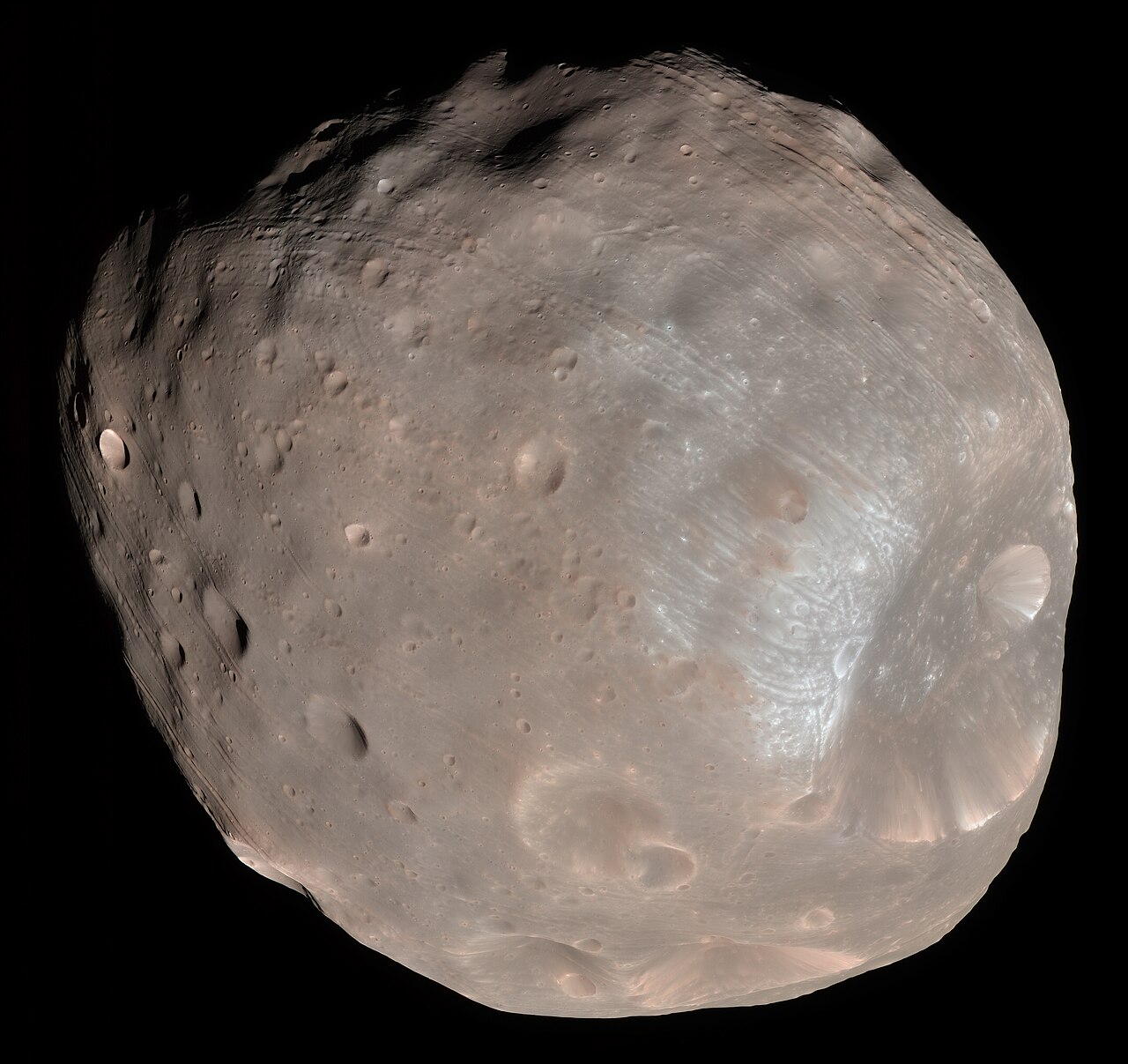
Japan is fetching rock from Phobos: the MMX mission and Martian moon origin theories GS-III Science asks about
JAXA's MMX mission is heading to Mars to fetch a sample from the moon Phobos.
Why it matters: factual, Prelims-type
What you need to know
2 ನಿಮಿಷ
Japan's space agency JAXA has launched its Martian Moons eXploration mission, which aims to bring back a sample from Phobos, one of the two moons of Mars.
The mission also studies Deimos and the origin of the Martian moons.
A successful return would be among the first samples brought back from a moon of another planet.
ಮೂಲಗಳು: Topper IAS editorial (PIB / The Hindu / Indian Express)
ಮುಖ್ಯ ಅಂಶಗಳು
Remember these
- MMX stands for Martian Moons eXploration, a mission of Japan's space agency JAXA
- Target: collect a sample from Phobos, the larger and closer of Mars's two moons
- The mission also studies Deimos, the other Martian moon, and the origin of both moons
- A successful return would be among the first samples brought back from a moon of another planet
- Origin debate: captured asteroids versus debris from a giant impact on Mars
ಪ್ರಿಲಿಮ್ಸ್ · ಮೇನ್ಸ್
How the exam will ask it
ಪ್ರಿಲಿಮ್ಸ್
- Phobos and Deimos are the two natural satellites of Mars; Phobos is the closer and larger one.
- The MMX mission is led by JAXA and aims to return a sample from Phobos to Earth.
- Sample-return missions bring material back to Earth for laboratory analysis, unlike orbiters that only observe remotely.
ಮೇನ್ಸ್
GS-III (Science and Technology: space technology, international missions). Sample-return missions help explain how Mars and its moons formed and what material lies near the Red Planet. For India, with its own Mars Orbiter Mission experience and planned deep-space ambitions, the way forward lies in international collaboration, building sample-handling capability and sustained funding for planetary science.
Quick recall
Answer before you reveal
ಕಸ್ತೂರಿರಂಗನ್ ಉನ್ನತ ಮಟ್ಟದ ಕಾರ್ಯಪಡೆ (2013) ಪಶ್ಚಿಮ ಘಟ್ಟಗಳ ಎಷ್ಟು ಭಾಗವನ್ನು ಪರಿಸರ ಸೂಕ್ಷ್ಮ ಪ್ರದೇಶವೆಂದು ಘೋಷಿಸಲು ಶಿಫಾರಸು ಮಾಡಿತು?
- ಶೇ 20
- ಶೇ 37
- ಶೇ 50
- ಶೇ 64
ಉತ್ತರ ನೋಡಿ
ಉತ್ತರ: B — ಸರಿಯಾದ ಉತ್ತರ ಶೇ 37. ಕಸ್ತೂರಿರಂಗನ್ ಸಮಿತಿ ಪಶ್ಚಿಮ ಘಟ್ಟಗಳ ಸುಮಾರು ಶೇ 37ರಷ್ಟನ್ನು ಪರಿಸರ ಸೂಕ್ಷ್ಮ ಪ್ರದೇಶವೆಂದು ಶಿಫಾರಸು ಮಾಡಿತು; ಗಾಡ್ಗೀಳ್ ಸಮಿತಿ ಇಡೀ ಘಟ್ಟವನ್ನು ಸೂಕ್ಷ್ಮವೆಂದು ಪರಿಗಣಿಸಲು ಹೇಳಿತ್ತು.
Convert this topic into marks
Today's 10-MCQ test · instant analysis · Powered by AdaptIQ