
← 18 October 2026's Current Affairs · Science & Tech GA Prelims ★★★☆☆ Mains ★★☆☆☆
Study finds more than 10,000 young faults on the shrinking Moon
ಸುದ್ದಿಯಲ್ಲಿ ಏಕೆ?
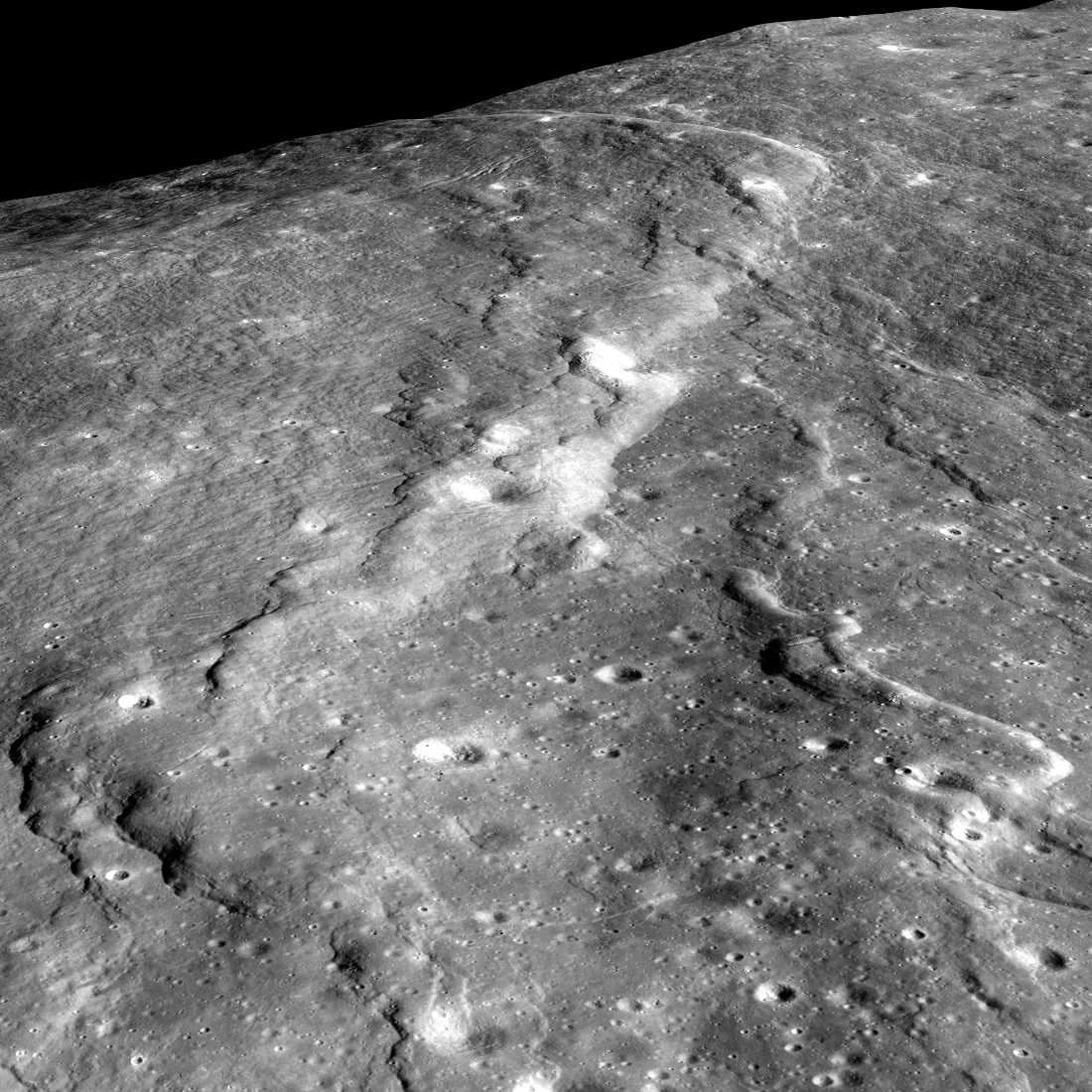
The Moon is shrinking, with 10,000+ young faults: the lobate scarp concept GS-III Science questions can test
Over 10,000 young faults indicate the Moon is still contracting as its interior cools.
Why it matters: general awareness
What you need to know
2 ನಿಮಿಷ
A study published on 14 October 2026 in The Planetary Science Journal, led by Thomas R.
Watters, identified more than 10,000 young faults across the Moon.
Such thrust faults and lobate scarps are signs that the Moon has been contracting slowly as its interior cools.
The finding bears on hazard assessment for future lunar landing sites.
ಮೂಲಗಳು: Topper IAS editorial (PIB / The Hindu / Indian Express)
ಮುಖ್ಯ ಅಂಶಗಳು
Remember these
- A study published on 14 October 2026 in The Planetary Science Journal, led by Thomas R. Watters, identified more than 10,000 young faults on the Moon.
- The faults are thrust faults and lobate scarps, landforms created by compressional stress.
- They indicate the Moon is slowly contracting as its interior cools.
- The finding bears on hazard assessment for future lunar landing sites.
ಪ್ರಿಲಿಮ್ಸ್ · ಮೇನ್ಸ್
How the exam will ask it
ಪ್ರಿಲಿಮ್ಸ್
- Statement: Lobate scarps on the Moon are landforms formed by compression of the crust, linked to global contraction as the interior cools. (Correct)
- Statement: Thrust faults on the Moon are chiefly caused by Earth-like plate tectonics. (Incorrect; the Moon has no active plate tectonics.)
- Statement: Young lunar faults are relevant for assessing seismic hazards at proposed landing sites. (Correct)
ಮೇನ್ಸ್
GS-III (Science and Technology; space): Evidence of a still-contracting Moon shows that lunar geology remains active, with faults capable of moonquakes. Such findings should feed site selection and engineering safety for missions like Chandrayaan and the Artemis programme. The way forward is better seismic monitoring, high-resolution mapping and international sharing of lunar hazard data.
Quick recall
Answer before you reveal
ಚಂದ್ರನ ಮೇಲ್ಮೈಯಲ್ಲಿ ಸಾವಿರಾರು ಯುವ ತಳ್ಳುವ ಭ್ರಂಶಗಳು ಮತ್ತು ಲೋಬೇಟ್ ಸ್ಕಾರ್ಪ್ಗಳನ್ನು ಗುರುತಿಸಲಾಗಿದೆ. ಇವುಗಳಿಗೆ ಮುಖ್ಯ ಕಾರಣ:
- ಒಳಭಾಗ ತಣ್ಣಗಾಗುವಾಗ ಚಂದ್ರ ನಿಧಾನವಾಗಿ ಸಂಕುಚಿತಗೊಳ್ಳುವುದು
- ಸೌರ ಶಾಖದಿಂದ ಚಂದ್ರನ ಹೊರಪದರ ವಿಸ್ತರಿಸುವುದು
- ಭೂಮಿಯಂತೆ ಫಲಕ ಚಲನೆ (ಪ್ಲೇಟ್ ಟೆಕ್ಟೋನಿಕ್ಸ್)
- ಚಂದ್ರನ ಮಾರಿಯಾ ಪ್ರದೇಶಗಳಲ್ಲಿನ ಜ್ವಾಲಾಮುಖಿ ಸ್ಫೋಟಗಳು
ಉತ್ತರ ನೋಡಿ
ಉತ್ತರ: A — ಸರಿಯಾದ ಉತ್ತರ ಒಳಭಾಗ ತಣ್ಣಗಾಗುವಾಗ ಚಂದ್ರ ನಿಧಾನವಾಗಿ ಸಂಕುಚಿತಗೊಳ್ಳುವುದು; ಇದರಿಂದ ಚಂದ್ರ ಕುಗ್ಗಿ ಭ್ರಂಶಗಳ ಉದ್ದಕ್ಕೂ ಪದರಗಳು ಮೇಲೇರುತ್ತವೆ.
Convert this topic into marks
Today's 10-MCQ test · instant analysis · Powered by AdaptIQ