
← 18 October 2026's Current Affairs · Environment GA Prelims ★★★★☆ Mains ★★☆☆☆
Drought report: Centre urged to help States once the inter-ministerial team reports
ಸುದ್ದಿಯಲ್ಲಿ ಏಕೆ?
Who pays first when drought hits a State? The SDRF-NDRF sequence and the 75:90 rule GS-III tests
An inter-ministerial team is assessing drought in Karnataka and Andhra Pradesh; central aid follows its findings.
Why it matters: factual, Prelims-type
What you need to know
2 ನಿಮಿಷ
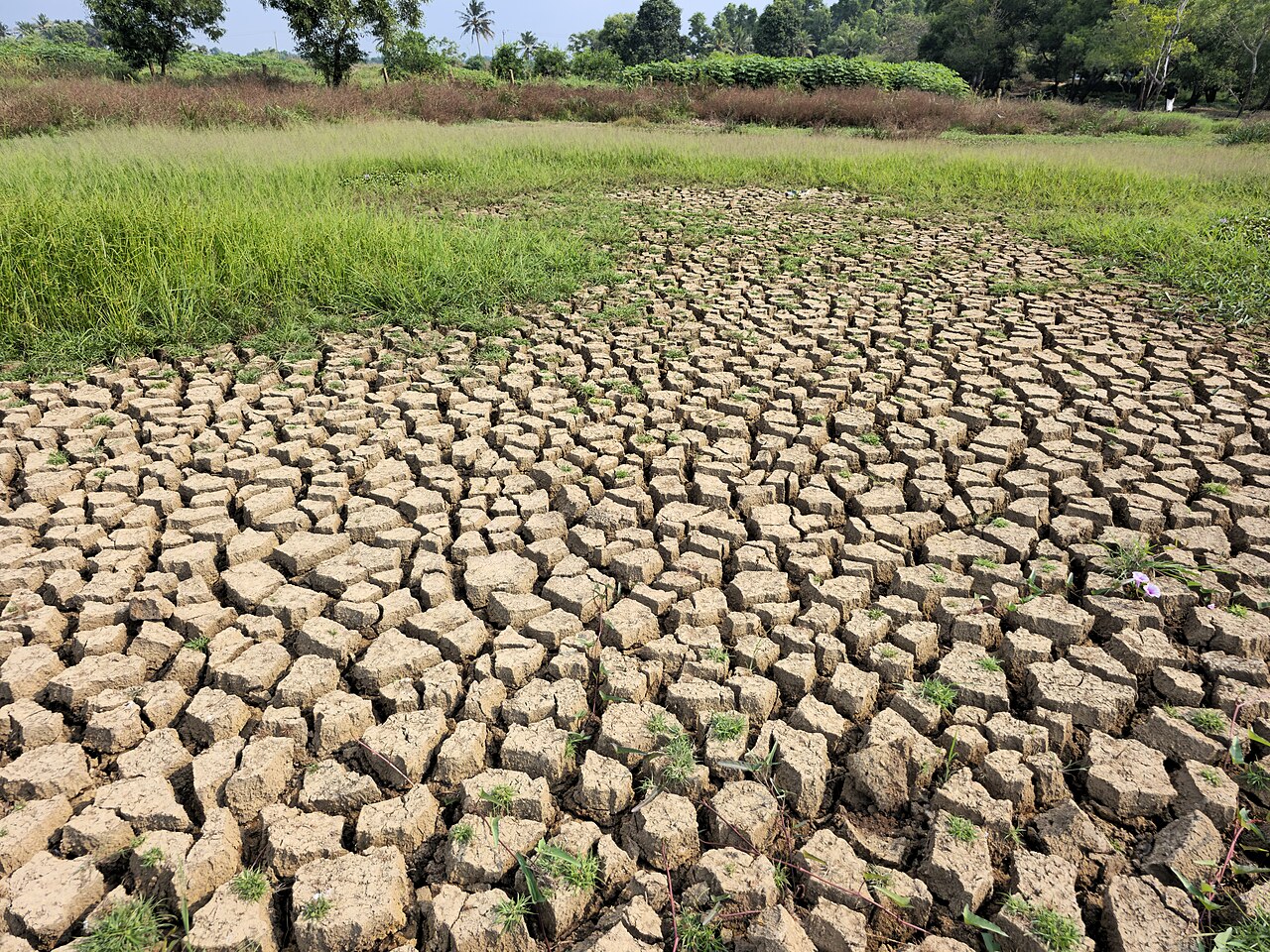
Karnataka and Andhra Pradesh face drought after a weak southwest monsoon, and an inter-ministerial central team is assessing the damage.
Central assistance for drought flows from the National Disaster Response Fund once the team's findings are in, while States first draw on the State Disaster Response Fund.
For general category States the Centre contributes 75 per cent to the State fund, and 90 per cent for special category States.
ಮೂಲಗಳು: Topper IAS editorial (PIB / The Hindu / Indian Express)
ಮುಖ್ಯ ಅಂಶಗಳು
Remember these
- Drought in Karnataka and Andhra Pradesh follows a weak southwest monsoon
- An inter-ministerial central team assesses the damage; central aid follows its findings
- States first draw on the State Disaster Response Fund (SDRF)
- Centre contributes 75 per cent to the SDRF for general category States and 90 per cent for special category States
- Additional central assistance comes from the National Disaster Response Fund (NDRF)
ಪ್ರಿಲಿಮ್ಸ್ · ಮೇನ್ಸ್
How the exam will ask it
ಪ್ರಿಲಿಮ್ಸ್
- The State Disaster Response Fund is the first line of financial response for notified disasters such as drought, cyclone and flood.
- The Centre's share in the SDRF is 75 per cent for general category States and 90 per cent for special category States.
- Additional central assistance for severe disasters is provided from the National Disaster Response Fund after assessment by an inter-ministerial central team.
- Drought is a notified disaster eligible for assistance under the SDRF and NDRF.
ಮೇನ್ಸ್
GS-III (Disaster Management) and GS-II (Federalism). Drought relief follows a sequence: States first use the SDRF, with the Centre funding 75 or 90 per cent, and further aid from the NDRF comes only after an inter-ministerial team assesses the damage. The delay between assessment and release strains States and farmers, so the way forward is faster, time-bound assessment, transparent norms for release and stronger drought preparedness and crop insurance.
Quick recall
Answer before you reveal
ಬರ ಪರಿಹಾರವನ್ನೂ ಒಳಗೊಂಡ ರಾಜ್ಯ ವಿಪತ್ತು ಪ್ರತಿಕ್ರಿಯಾ ನಿಧಿಯ ನಿಯಮಗಳ ಪ್ರಕಾರ, ವಿಶೇಷ ವರ್ಗದ ರಾಜ್ಯಗಳಿಗೆ ಕೇಂದ್ರದ ಪಾಲು:
- ಶೇ. 50
- ಶೇ. 60
- ಶೇ. 75
- ಶೇ. 90
ಉತ್ತರ ನೋಡಿ
ಉತ್ತರ: D — ಸರಿಯಾದ ಉತ್ತರ ಶೇ. 90. ವಿಶೇಷ ವರ್ಗದ ರಾಜ್ಯಗಳಿಗೆ ಕೇಂದ್ರ ಶೇ. 90ರಷ್ಟು ಮತ್ತು ಸಾಮಾನ್ಯ ವರ್ಗದ ರಾಜ್ಯಗಳಿಗೆ ಶೇ. 75ರಷ್ಟು ಕೊಡುಗೆ ನೀಡುತ್ತದೆ.
Convert this topic into marks
Today's 10-MCQ test · instant analysis · Powered by AdaptIQ