
← 4 October 2026's Current Affairs · Environment GA Prelims ★★★☆☆ Mains ★★☆☆☆
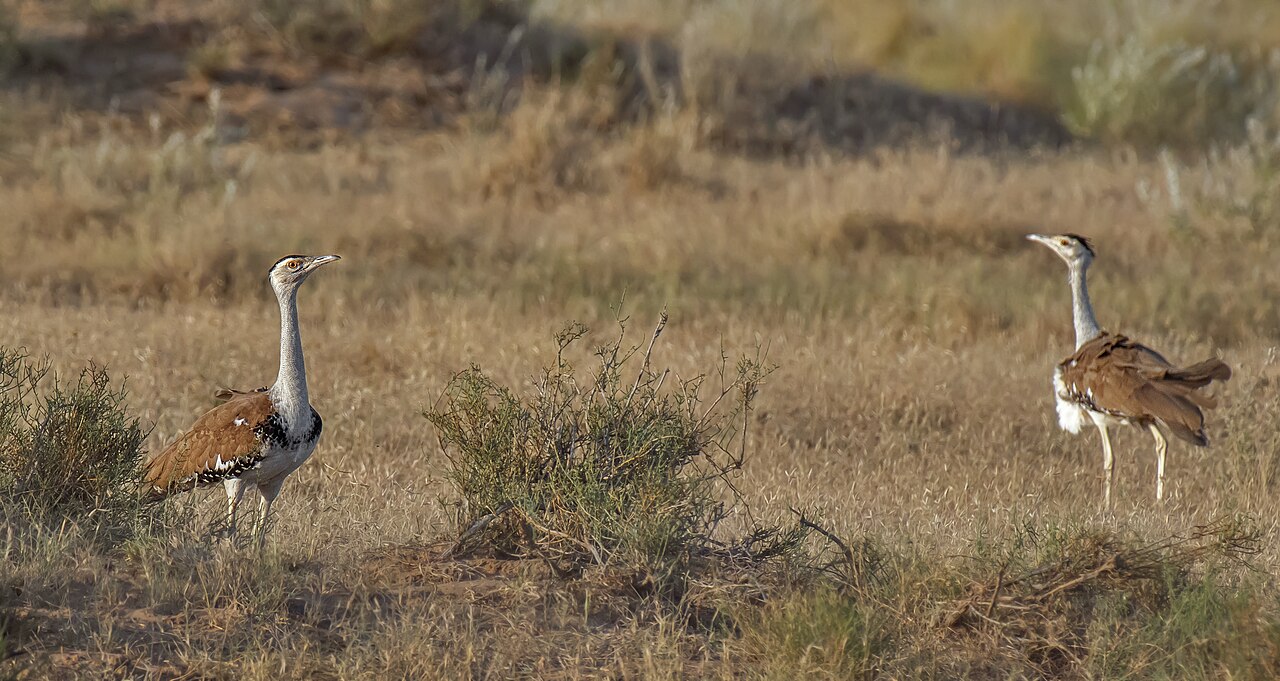
Captive-bred Great Indian Bustards to be released in Jaisalmer
ಸುದ್ದಿಯಲ್ಲಿ ಏಕೆ?
Critically Endangered yet Schedule I: the Great Indian Bustard release that tests IUCN and Wildlife Act answers
Ten captive-bred bustards head for the wild in Jaisalmer.
Why it matters: general awareness
What you need to know
2 ನಿಮಿಷ
Ten captive-bred Great Indian Bustards (Ardeotis nigriceps) are due for release in Jaisalmer, Rajasthan, on 3 and 4 October 2026.
The bird is Critically Endangered on the IUCN Red List and is on Schedule I of the Wildlife (Protection) Act, 1972.
Captive breeding in Jaisalmer aims to rebuild a wild population threatened by power lines and habitat loss.
ಮೂಲಗಳು: Topper IAS editorial (PIB / The Hindu / Indian Express)
ಮುಖ್ಯ ಅಂಶಗಳು
Remember these
- Ten captive-bred Great Indian Bustards are due for release in Jaisalmer, Rajasthan, on 3 and 4 October 2026
- Scientific name: Ardeotis nigriceps
- IUCN Red List status: Critically Endangered
- Protected under Schedule I of the Wildlife (Protection) Act, 1972
- Key threats: overhead power lines and habitat loss
ಪ್ರಿಲಿಮ್ಸ್ · ಮೇನ್ಸ್
How the exam will ask it
ಪ್ರಿಲಿಮ್ಸ್
- The Great Indian Bustard (Ardeotis nigriceps) is listed as Critically Endangered in the IUCN Red List.
- The Great Indian Bustard is placed in Schedule I of the Wildlife (Protection) Act, 1972, which gives it the highest legal protection.
- Captive breeding in Jaisalmer, Rajasthan, is an ex-situ conservation measure meant to rebuild the wild population.
- Collision with power lines and loss of grassland habitat are major threats to the species.
ಮೇನ್ಸ್
GS3 Environment: biodiversity conservation. The issue is a collapsing wild population of the Great Indian Bustard, hit by power-line collisions and habitat loss. The policy response is Schedule I protection under the Wildlife (Protection) Act, 1972 and ex-situ captive breeding with release. The way forward is to make power lines safer (undergrounding or bird diverters) and to secure grassland habitat so that released birds survive.
Quick recall
Answer before you reveal
ಗ್ರೇಟ್ ಇಂಡಿಯನ್ ಬಸ್ಟರ್ಡ್ (ಹೆಬ್ಬಕ) ಕುರಿತು ಈ ಕೆಳಗಿನ ಹೇಳಿಕೆಗಳನ್ನು ಪರಿಗಣಿಸಿ:
- ಇದು IUCN ರೆಡ್ ಲಿಸ್ಟ್ನಲ್ಲಿ ಅತಿ ಅಪಾಯದ ಅಂಚಿನಲ್ಲಿರುವ (Critically Endangered) ಪ್ರಭೇದ.
- ಇದಕ್ಕೆ ವನ್ಯಜೀವಿ (ಸಂರಕ್ಷಣೆ) ಕಾಯ್ದೆ, 1972ರ ಪರಿಶಿಷ್ಟ I ರ ರಕ್ಷಣೆ ಇದೆ. ಮೇಲಿನ ಹೇಳಿಕೆಗಳಲ್ಲಿ ಯಾವುದು/ಯಾವವು ಸರಿ?
- 1 ಮಾತ್ರ
- 2 ಮಾತ್ರ
- 1 ಮತ್ತು 2 ಎರಡೂ
- 1 ಅಥವಾ 2 ಅಲ್ಲ
ಉತ್ತರ ನೋಡಿ
ಉತ್ತರ: C — ಹೆಬ್ಬಕ IUCN ಪಟ್ಟಿಯಲ್ಲಿ ಅತಿ ಅಪಾಯದ ಅಂಚಿನಲ್ಲಿದೆ ಮತ್ತು ಪರಿಶಿಷ್ಟ Iರಲ್ಲಿದೆ; ಎರಡೂ ಹೇಳಿಕೆಗಳು ಸರಿ.
Convert this topic into marks
Today's 10-MCQ test · instant analysis · Powered by AdaptIQ