
← 26 October 2026's Current Affairs · Environment GA Prelims ★★★★☆ Mains ★★☆☆☆
Bay of Bengal depression set to intensify into a very severe cyclonic storm
खबर में क्यों?
Which cyclone grade is 'very severe'? The IMD wind-speed ladder every Geography and disaster-management answer needs
IMD warns of a very severe cyclone crossing the Andhra coast around 28 October.
Why it matters: factual, Prelims-type
What you need to know
2 मिनट
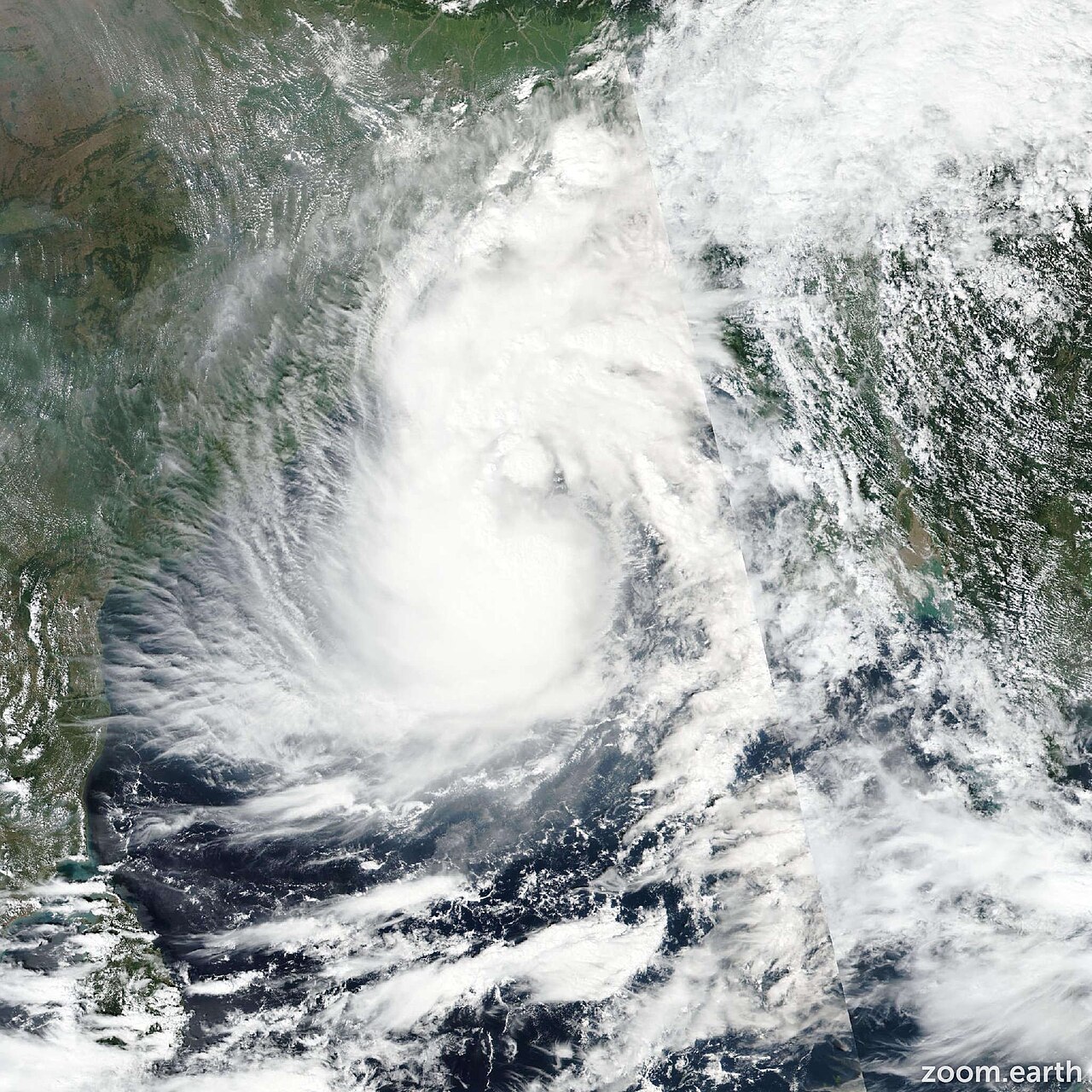
The India Meteorological Department says a depression over the Bay of Bengal is likely to become a very severe cyclonic storm and cross the Andhra Pradesh and Yanam coasts around 28 October.
Squally weather and rough seas are forecast along the Andhra Pradesh and adjoining Odisha coasts, and coastal states have issued alerts.
Rain is also forecast for Bengaluru as the system moves towards the Andhra coast.
स्रोत: Topper IAS editorial (PIB / The Hindu / Indian Express)
मुख्य तथ्य
Remember these
- IMD expects a Bay of Bengal depression to become a very severe cyclonic storm, crossing the Andhra Pradesh and Yanam coasts around 28 October
- Yanam is a part of the Union Territory of Puducherry, located on the Andhra coast
- IMD grades: cyclonic storm 34-47 knots, severe 48-63, very severe 64-89, extremely severe 90-119, super cyclonic storm 120+ knots
- IMD is the Regional Specialised Meteorological Centre for tropical cyclones over the North Indian Ocean
- Squally weather and rough seas are forecast along the Andhra Pradesh and adjoining Odisha coasts
प्रीलिम्स · मेन्स
How the exam will ask it
प्रीलिम्स
- Statement: A 'very severe cyclonic storm' under IMD classification has sustained winds of 64-89 knots, higher than a 'severe cyclonic storm' and lower than an 'extremely severe cyclonic storm'.
- Statement: Tropical cyclones in the North Indian Ocean are named by lists agreed by member countries of the WMO/ESCAP Panel on Tropical Cyclones, and IMD is the Regional Specialised Meteorological Centre issuing advisories.
- Statement: Cyclones over the Bay of Bengal are more frequent than over the Arabian Sea, and most make landfall on the east coast of India.
मेन्स
GS1 (physical geography) and GS3 (disaster management): the Bay of Bengal's warm waters make the east coast highly cyclone-prone, so early warning, classification and evacuation matter. The Disaster Management Act, 2005 and NDMA guidelines frame the response of NDRF, state authorities and coastal communities. The way forward is stronger impact-based forecasting, resilient coastal infrastructure, cyclone shelters and community preparedness.
Quick recall
Answer before you reveal
Under the India Meteorological Department's classification of tropical cyclones, a 'very severe cyclonic storm' has sustained maximum winds in the range of:
- 34-47 knots
- 48-63 knots
- 64-89 knots
- 90-119 knots
उत्तर देखें
उत्तर: C — Correct: 64-89 knots — A very severe cyclonic storm has sustained winds of 64-89 knots, above severe and below extremely severe. • 34-47 knots — wrong: 34-47 knots is the 'cyclonic storm' category, which is weaker than a very severe cyclonic storm. • 48-63 knots — wrong: 48-63 knots is the 'severe cyclonic storm' category, one step below very severe. • 90-119 knots — wrong: 90-119 knots is the 'extremely severe cyclonic storm' category, one step above very severe.
Convert this topic into marks
Today's 10-MCQ test · instant analysis · Powered by AdaptIQ