
← 20 October 2026's Current Affairs · Environment GA Prelims ★★★★☆ Mains ★★☆☆☆
Keralam launches India's first ecosystem Red List assessment
खबर में क्यों?
Species have a Red List, but can an ecosystem collapse too? The IUCN framework Keralam just applied
Keralam begins India's first ecosystem Red List assessment under the IUCN framework.
Why it matters: factual, Prelims-type
What you need to know
2 मिनट
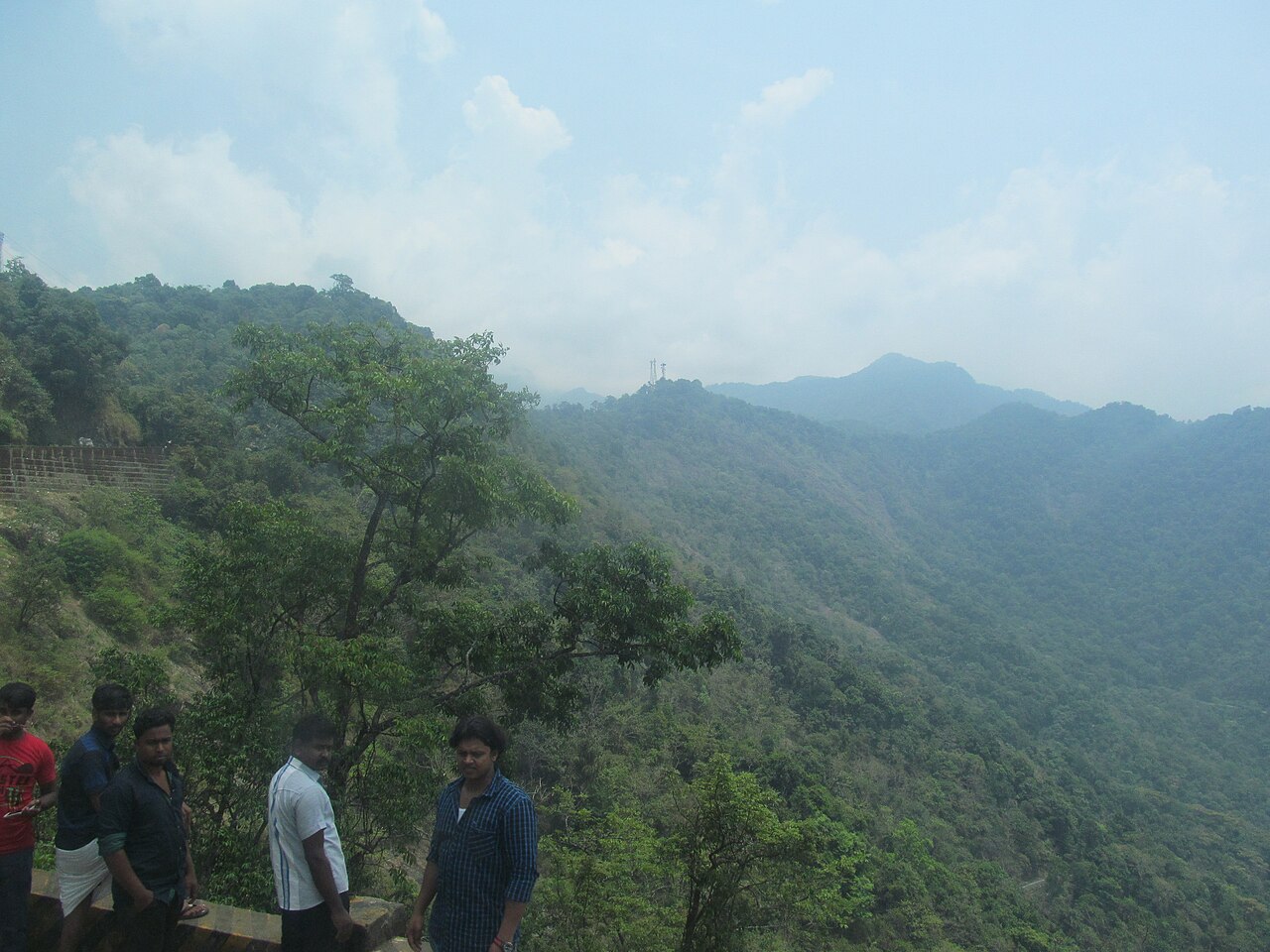
Keralam has launched what is described as India's first Red List assessment of ecosystems.
Such assessments follow the IUCN Red List of Ecosystems framework, which classifies ecosystems by their risk of collapse, in the way the species Red List classifies species by their risk of extinction.
स्रोत: Topper IAS editorial (PIB / The Hindu / Indian Express)
मुख्य तथ्य
Remember these
- Keralam has launched what is described as India's first Red List assessment of ecosystems.
- It follows the IUCN Red List of Ecosystems (RLE) framework, which classifies ecosystems by risk of collapse.
- The species IUCN Red List classifies species by risk of extinction; the RLE is its ecosystem-level counterpart.
- IUCN (International Union for Conservation of Nature) is headquartered in Gland, Switzerland.
- The RLE categories run from Least Concern to Collapsed, with Critically Endangered, Endangered and Vulnerable as threatened categories.
प्रीलिम्स · मेन्स
How the exam will ask it
प्रीलिम्स
- The IUCN Red List of Ecosystems assesses the risk of ecosystem collapse, whereas the IUCN Red List of Threatened Species assesses the risk of species extinction.
- The IUCN is an international organisation of governments and civil society; its Red List is an advisory tool and is not legally binding on countries.
- Ecosystem risk assessment helps prioritise conservation action and supports targets under the Convention on Biological Diversity.
मेन्स
GS-III (Environment, biodiversity conservation). Species-focused conservation misses habitat-level decline; an ecosystem Red List under the IUCN framework shows which ecosystems are at risk of collapse, complementing the Biological Diversity Act, 2002 and state biodiversity boards. The way forward is to scale such assessments to other states, link them to land-use planning and restoration priorities, and use them to report on national biodiversity targets.
Quick recall
Answer before you reveal
Agrivoltaics refers to:
- Generating biogas from agricultural residue to power farm equipment
- Co-locating solar photovoltaic installations with crop cultivation on the same land
- Powering irrigation pumps directly from the grid through subsidised feeders
- Storing surplus farm electricity in batteries owned by cooperatives
उत्तर देखें
उत्तर: B — The correct answer is Co-locating solar photovoltaic installations with crop cultivation on the same land. Agrivoltaics combines solar power generation and farming on the same land, a model India's renewable energy ministry expects to scale up.
Convert this topic into marks
Today's 10-MCQ test · instant analysis · Powered by AdaptIQ