
← 4 November 2026's Current Affairs · Science & Tech GA Prelims ★★★☆☆ Mains ★★☆☆☆
Quick scan: BIRSA-101 gene therapy targets sickle cell disease and beta thalassaemia
સમાચારમાં કેમ?
Why is India's CRISPR therapy named after Birsa Munda? The sickle cell and thalassaemia facts GS3 tests
BIRSA-101 is a CRISPR-based therapy for sickle cell disease and beta thalassaemia.
Why it matters: general awareness
What you need to know
2 મિનિટ
BIRSA-101 is an Indian CRISPR-based gene therapy aimed at sickle cell disease and beta thalassaemia, two inherited blood disorders.
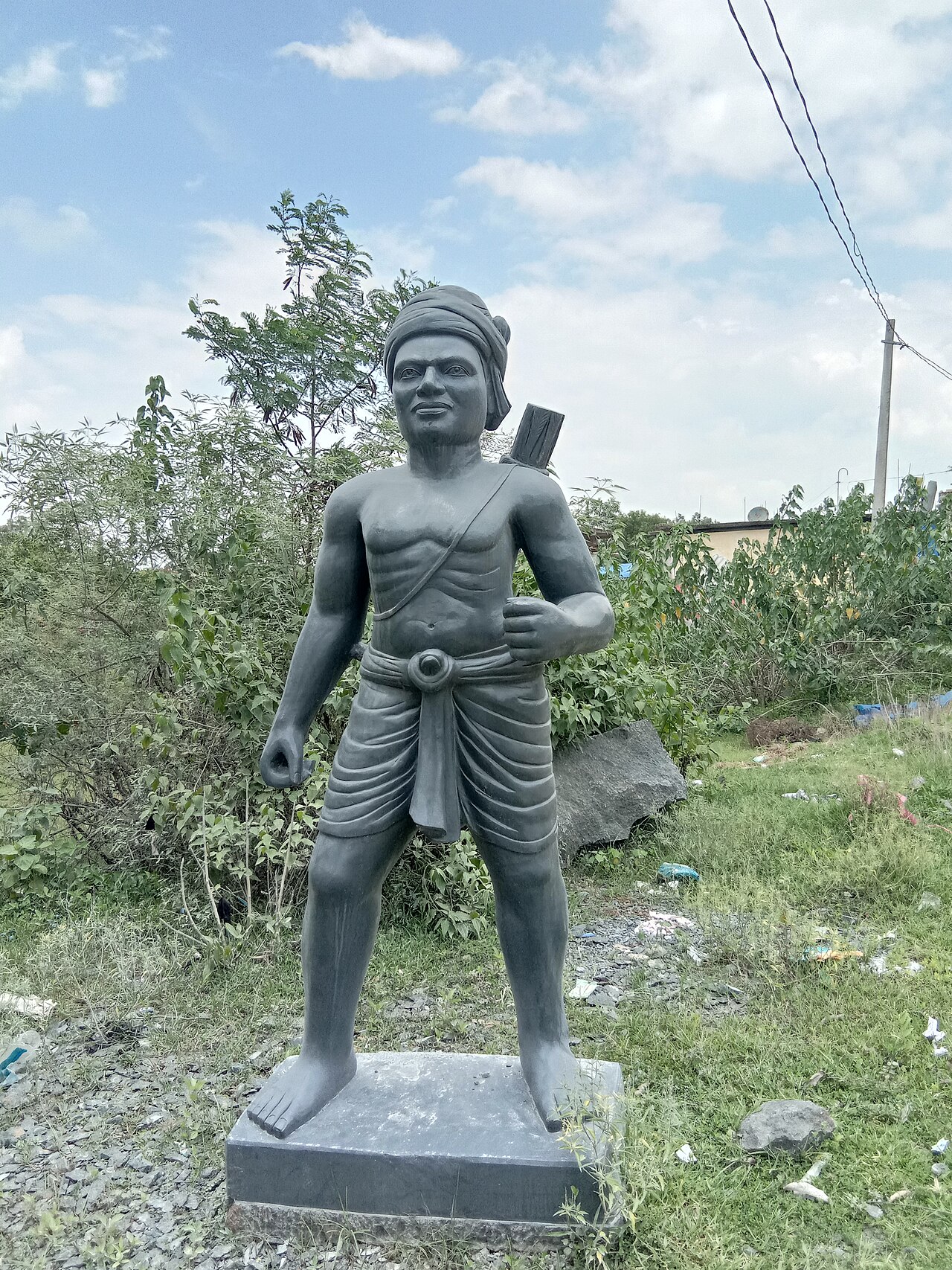
It is named after the tribal leader Birsa Munda and is a step towards affordable indigenous gene editing.
સ્રોત: Topper IAS editorial (PIB / The Hindu / Indian Express)
મુખ્ય તથ્યો
Remember these
- BIRSA-101 is an Indian CRISPR-based gene therapy for sickle cell disease and beta thalassaemia.
- Both are inherited blood disorders linked to defects in the haemoglobin beta-globin (HBB) gene.
- The therapy is named after tribal leader Birsa Munda, a nod to sickle cell's burden among tribal communities.
- CRISPR-Cas9 earned the 2020 Chemistry Nobel for Emmanuelle Charpentier and Jennifer Doudna.
- The National Sickle Cell Anaemia Elimination Mission was launched in 2023.
પ્રિલિમ્સ · મેઇન્સ
How the exam will ask it
પ્રિલિમ્સ
- CRISPR-Cas9 is a genome-editing tool that uses guide RNA to direct the Cas9 nuclease to a specific DNA sequence.
- Sickle cell disease and beta thalassaemia are inherited (autosomal recessive) haemoglobinopathies, not infectious diseases.
- Gene therapy modifies or edits a patient's genes to treat disease, unlike conventional drugs that manage symptoms.
મેઇન્સ
GS3 (Science and Technology, Biotechnology, Health): India's genetic disease burden, especially among tribal populations, makes affordable indigenous gene editing important. Policy support runs through the Sickle Cell Elimination Mission and public research bodies, but costs, clinical-trial safety, regulation and ethics of germline editing remain concerns. The way forward is rigorous trials, a clear regulatory framework, screening and counselling, and public financing so that access is equitable.
Quick recall
Answer before you reveal
જવાબ જુઓ
જવાબ: —
Convert this topic into marks
Today's 10-MCQ test · instant analysis · Powered by AdaptIQ