
← 30 October 2026's Current Affairs · Science & Tech GA Prelims ★★★☆☆ Mains ★★☆☆☆
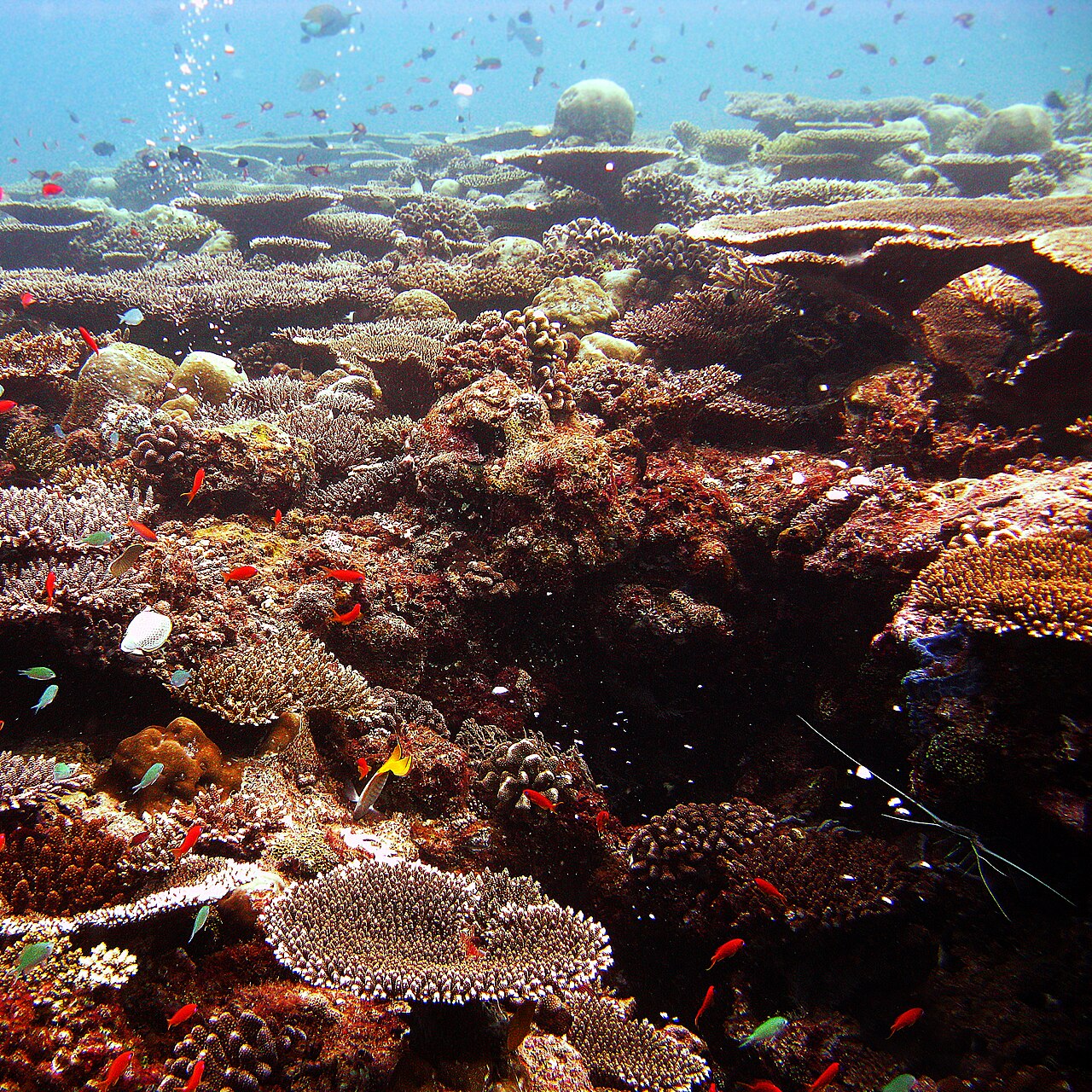
IUCN assessment warns 96% of coral reef ecosystems at risk of collapse by 2075
સમાચારમાં કેમ?
96% of reef ecosystems at collapse risk by 2075: the IUCN assessment GS3 Biodiversity answers must cite
IUCN coral assessment at COP17: 96% of reef ecosystems at collapse risk by 2075.
Why it matters: general awareness
What you need to know
2 મિનિટ
Released at the CBD's COP17 in Yerevan, Armenia, the IUCN Global Coral Reef Assessment warns that 96 per cent of assessed coral reef ecosystems face a risk of collapse by 2075 under current pressures.
Reefs shelter a large share of marine species and protect coasts.
સ્રોત: Topper IAS editorial (PIB / The Hindu / Indian Express)
મુખ્ય તથ્યો
Remember these
- IUCN Global Coral Reef Assessment released at CBD COP17, Yerevan (Armenia)
- 96% of assessed coral reef ecosystems face a risk of collapse by 2075 under current pressures
- Reefs shelter a large share of marine species and protect coastlines
- IUCN assesses ecosystems through its Red List of Ecosystems framework, separate from the Red List of Threatened Species
- CBD is the Convention on Biological Diversity; its Kunming-Montreal Global Biodiversity Framework (2022) sets the 30x30 target
પ્રિલિમ્સ · મેઇન્સ
How the exam will ask it
પ્રિલિમ્સ
- Statement: Coral reefs are found only in tropical waters and are formed by symbiosis between coral polyps and zooxanthellae algae. (Corals need warm, clear, shallow waters; the symbiotic algae supply food and colour.)
- Statement: Coral bleaching occurs when stressed corals expel their symbiotic algae, mainly due to rising sea temperatures.
- Statement: The Convention on Biological Diversity is a legally binding multilateral treaty adopted at the 1992 Rio Earth Summit, and its COP is the main decision-making body.
મેઇન્સ
GS3 Environment: coral reef loss is a marine biodiversity and climate adaptation issue. Warming-driven bleaching, ocean acidification and local pollution drive collapse risk, while the CBD's Kunming-Montreal framework and national measures such as Coastal Regulation Zone norms and marine protected areas are the policy response. The way forward lies in emission cuts, reducing local stressors, reef restoration and finance for coastal communities that depend on reefs.
Quick recall
Answer before you reveal
જવાબ જુઓ
જવાબ: —
Convert this topic into marks
Today's 10-MCQ test · instant analysis · Powered by AdaptIQ