
← 14 October 2026's Current Affairs · Karnataka KPSC Prelims ★★★★☆ Mains ★★☆☆☆
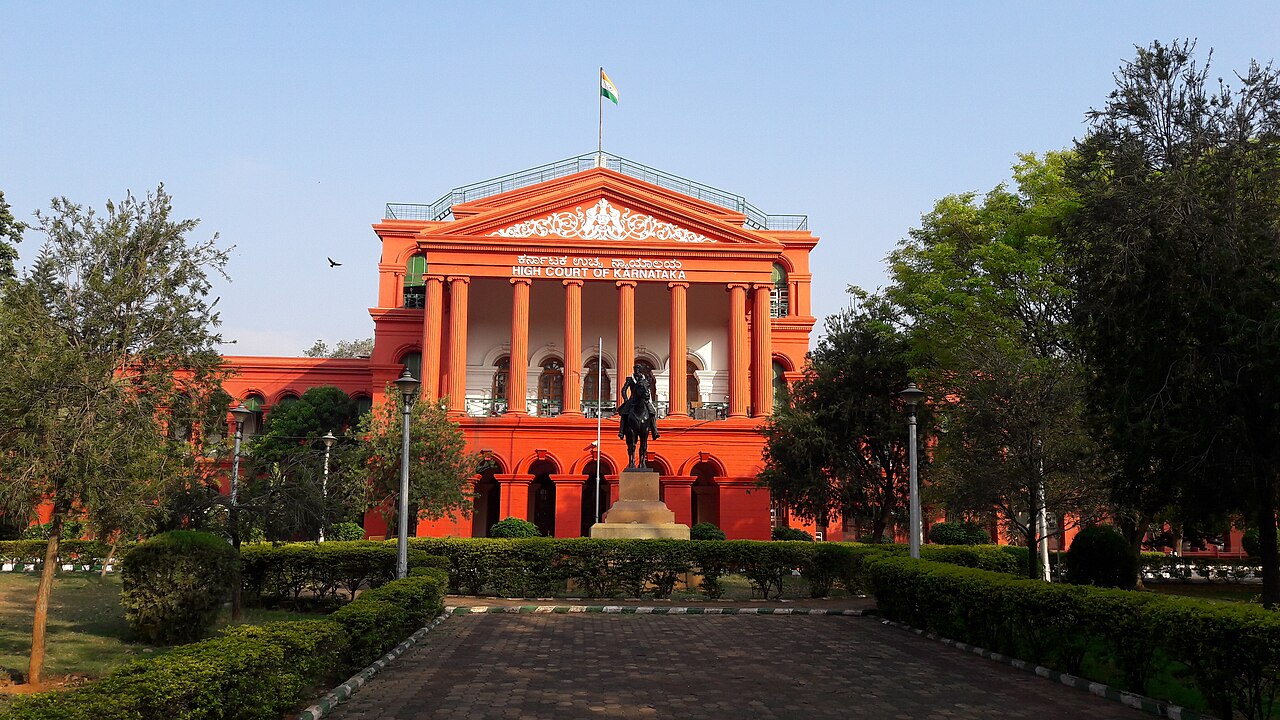
Karnataka to explore legal options against High Court verdict on reservation enhancement
સમાચારમાં કેમ?
Karnataka's reservation law struck down: the Indra Sawhney 50 per cent ceiling every GS-II answer must cite
The Karnataka government will explore legal options to challenge the High Court verdict striking down the law that enhanced reservation. The Veerashaiva Mahasabha has welcomed the ruling, while Congress leaders questioned the hurried introduction of the law before the 2023 Assembly elections. The Supreme Court's Indra Sawhney judgment of 1992 set a 50 per cent ceiling on total reservation.
Why it matters: factual, Prelims-type; Karnataka-specific
What you need to know
2 મિનિટ
The Karnataka government will explore legal options to challenge the High Court verdict striking down the law that enhanced reservation.
The Veerashaiva Mahasabha has welcomed the ruling, while Congress leaders questioned the hurried introduction of the law before the 2023 Assembly elections.
The Supreme Court's Indra Sawhney judgment of 1992 set a 50 per cent ceiling on total reservation.
સ્રોત: Topper IAS editorial (PIB / The Hindu / Indian Express)
મુખ્ય તથ્યો
Remember these
- Karnataka High Court struck down the law that enhanced reservation; the state will explore legal options to challenge the verdict
- Indra Sawhney v. Union of India (1992) is the nine-judge bench ruling that set the 50 per cent ceiling on total reservation
- The Indra Sawhney ceiling is not absolute: it can be crossed only in extraordinary circumstances
- The Veerashaiva Mahasabha welcomed the ruling; Congress leaders questioned the hurried introduction of the law before the 2023 Assembly elections
- A state challenge against a High Court verdict would go to the Supreme Court by appeal under Article 136
પ્રિલિમ્સ · મેઇન્સ
How the exam will ask it
પ્રિલિમ્સ
- Statement: In Indra Sawhney (1992), the Supreme Court held that reservation under Articles 15(4) and 16(4) should ordinarily not exceed 50 per cent of seats or posts.
- Statement: The Indra Sawhney judgment upheld 27 per cent reservation for Other Backward Classes while excluding the creamy layer.
- Statement: Article 16(4) permits the State to provide reservation in public employment for any backward class that is not adequately represented in State services.
મેઇન્સ
GS-II (Polity, social justice, judiciary): States seek to raise reservation to reflect community demands, but the Indra Sawhney 50 per cent ceiling limits them unless extraordinary circumstances and quantifiable data are shown. The Karnataka verdict revives the debate over the ceiling versus empirical backward class data, with similar disputes in Maharashtra and Tamil Nadu. The way forward is a rigorous caste census, a backward classes commission report and a settled Supreme Court position on the ceiling.
Quick recall
Answer before you reveal
Which Supreme Court judgment laid down the 50 per cent ceiling on total reservation in India?
- Champakam Dorairajan v. State of Madras
- State of Kerala v. N.M. Thomas
- M. Nagaraj v. Union of India
- Indra Sawhney v. Union of India
જવાબ જુઓ
જવાબ: D — Indra Sawhney v. Union of India is correct. The nine-judge bench in Indra Sawhney (1992) held that reservation should not ordinarily exceed 50 per cent.
Convert this topic into marks
Today's 10-MCQ test · instant analysis · Powered by AdaptIQ