
← 23 October 2026's Current Affairs · Environment GA Prelims ★★★★☆ Mains ★★☆☆☆
A magnitude 7.0 earthquake strikes Tibet, with casualties reported
Why in News?
A 7.0 quake in Tibet: the Indo-Eurasian collision that built the Himalaya, a GS-I Geography staple
A 7.0 magnitude earthquake has hit Tibet; the region sits on the Indo-Eurasian plate collision zone.
Why it matters: factual, Prelims-type
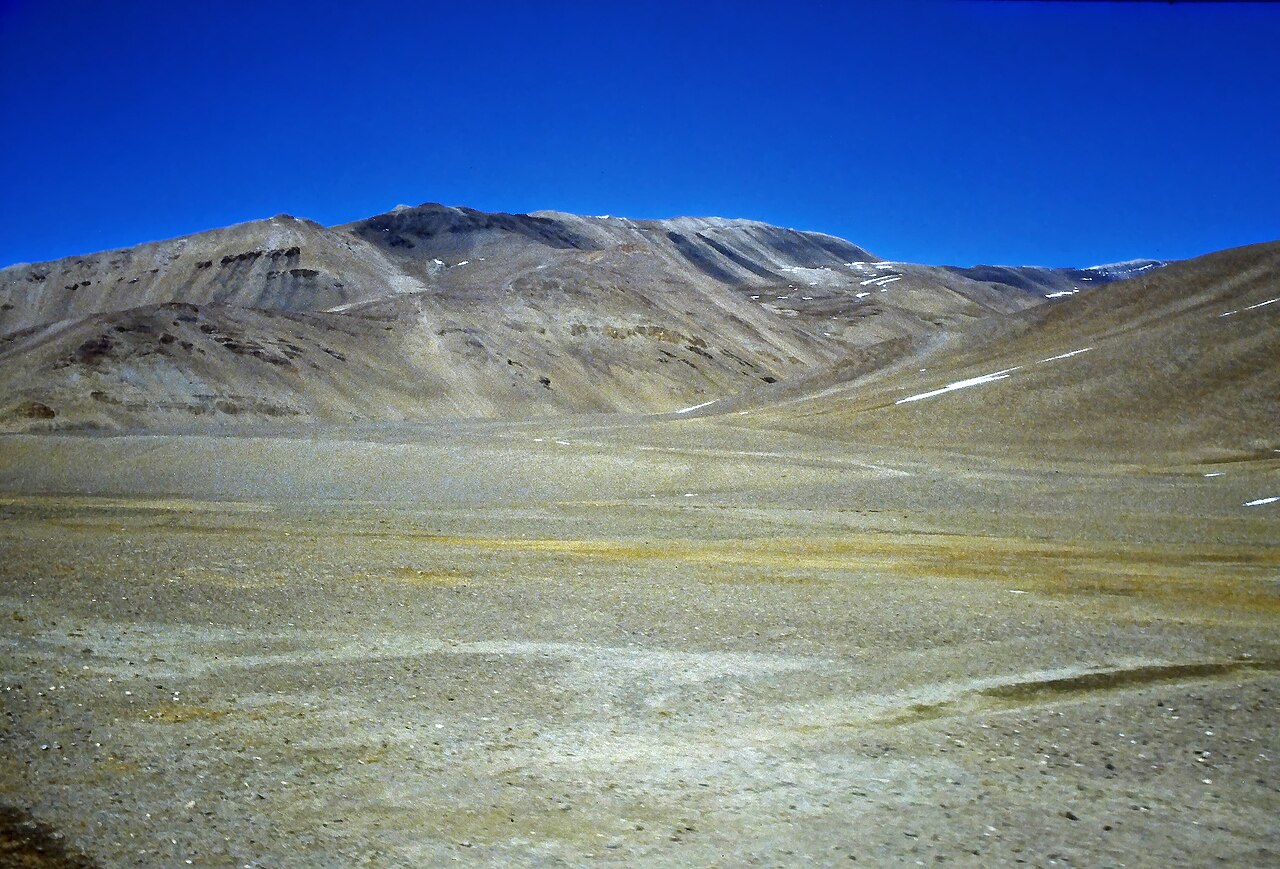
What you need to know
2 min read
A powerful earthquake of magnitude 7.0 has struck Tibet, and Chinese state media has reported casualties.
The Tibetan plateau is seismically active because the Indian plate is pressing northward into the Eurasian plate, a collision that also built the Himalaya.
Tremors from such quakes are often felt in northern India and Nepal.
Sources: Topper IAS editorial (PIB / The Hindu / Indian Express)
Key facts
Remember these
- A magnitude 7.0 earthquake has struck Tibet; Chinese state media reported casualties.
- The Indian plate is moving northward and colliding with the Eurasian plate (continental-continental convergence).
- This collision built the Himalaya and the Tibetan plateau, making the belt seismically active.
- Tremors from such quakes are often felt in northern India and Nepal.
- Magnitude is measured on the Richter/moment magnitude scale; intensity on the Mercalli scale.
Prelims · Mains
How the exam will ask it
Prelims
- The Himalaya were formed by the convergence of the Indian plate and the Eurasian plate; this is a continental-continental collision, not an oceanic subduction setting.
- The Himalayan seismic belt lies in a high-risk zone (Zones IV and V) of India's seismic zonation.
- The focus is the point inside the Earth where rupture begins, while the epicentre is the point on the surface directly above it.
- Earthquake magnitude measures energy released at the source, whereas the Mercalli scale measures the intensity of shaking and damage at a location.
Mains
GS-I (Geography) and GS-III (Disaster Management). Plate convergence along the Indo-Eurasian boundary makes the Himalayan arc highly earthquake-prone, with tremors felt across northern India and Nepal. Implications include risk to Himalayan states and trans-boundary infrastructure; the way forward lies in strict seismic building codes, early warning, community preparedness and NDMA-led mitigation.
Quick recall
Answer before you reveal
The frequent strong earthquakes in the Tibetan plateau and the Himalayan belt are mainly caused by:
- Subduction of the Pacific plate beneath the Eurasian plate
- Divergence of plates along a mid-oceanic ridge
- Volcanic activity above a mantle hotspot
- Convergence of the Indian plate with the Eurasian plate
Show answer
Answer: D — The correct answer is Convergence of the Indian plate with the Eurasian plate. The Indian plate pushing into the Eurasian plate builds the Himalaya and causes frequent quakes in Tibet.
Convert this topic into marks
Today's 10-MCQ test · instant analysis · Powered by AdaptIQ