
← 21 October 2026's Current Affairs · Science & Tech GA Prelims ★★★★☆ Mains ★★☆☆☆
Japan launches a mission to the Martian moons
Why in News?
Japan is fetching rock from Phobos: the MMX mission and Martian moon origin theories GS-III Science asks about
JAXA's MMX mission is heading to Mars to fetch a sample from the moon Phobos.
Why it matters: factual, Prelims-type
What you need to know
2 min read
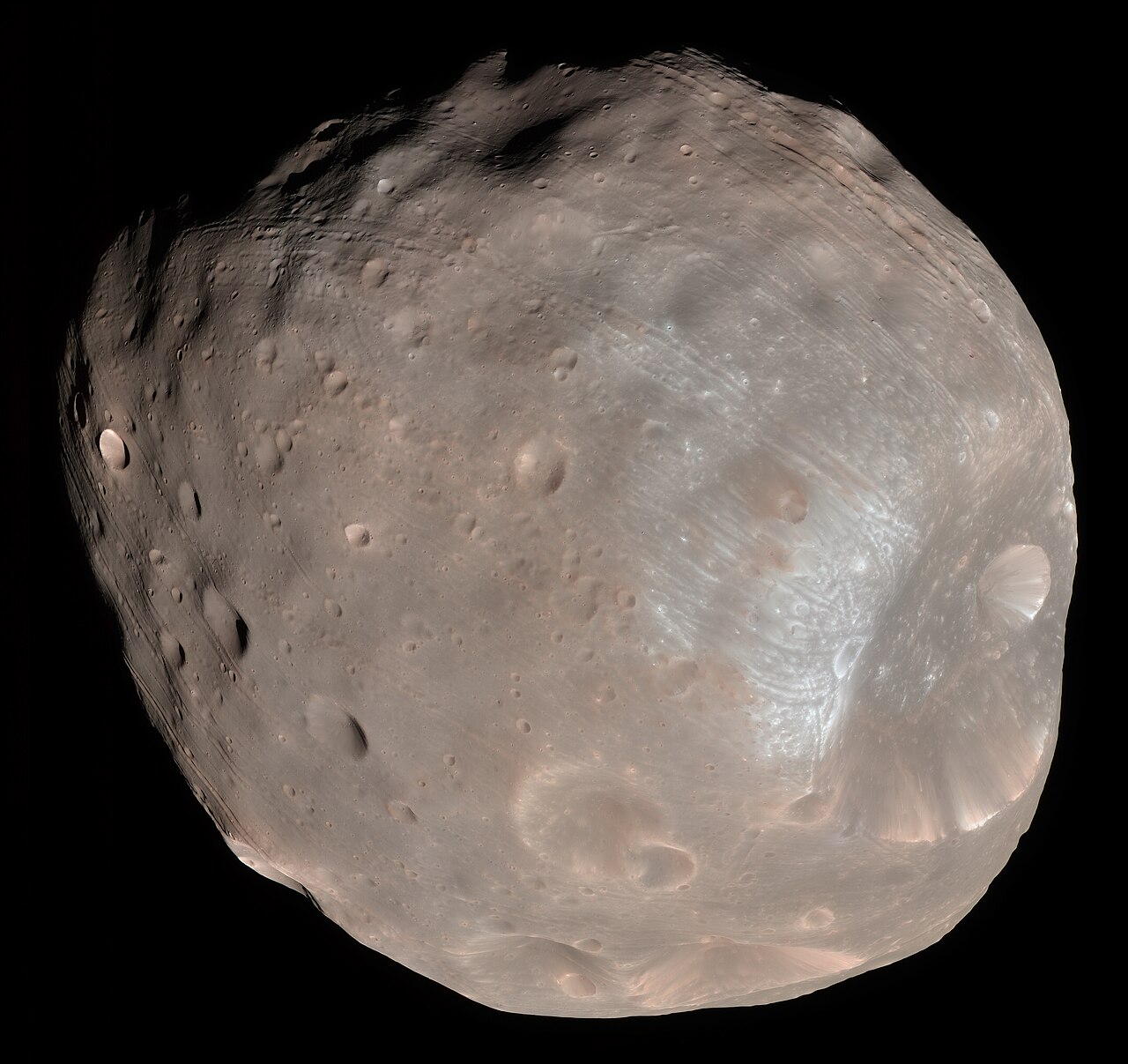
Japan's space agency JAXA has launched its Martian Moons eXploration mission, which aims to bring back a sample from Phobos, one of the two moons of Mars.
The mission also studies Deimos and the origin of the Martian moons.
A successful return would be among the first samples brought back from a moon of another planet.
Sources: Topper IAS editorial (PIB / The Hindu / Indian Express)
Key facts
Remember these
- MMX stands for Martian Moons eXploration, a mission of Japan's space agency JAXA
- Target: collect a sample from Phobos, the larger and closer of Mars's two moons
- The mission also studies Deimos, the other Martian moon, and the origin of both moons
- A successful return would be among the first samples brought back from a moon of another planet
- Origin debate: captured asteroids versus debris from a giant impact on Mars
Prelims · Mains
How the exam will ask it
Prelims
- Phobos and Deimos are the two natural satellites of Mars; Phobos is the closer and larger one.
- The MMX mission is led by JAXA and aims to return a sample from Phobos to Earth.
- Sample-return missions bring material back to Earth for laboratory analysis, unlike orbiters that only observe remotely.
Mains
GS-III (Science and Technology: space technology, international missions). Sample-return missions help explain how Mars and its moons formed and what material lies near the Red Planet. For India, with its own Mars Orbiter Mission experience and planned deep-space ambitions, the way forward lies in international collaboration, building sample-handling capability and sustained funding for planetary science.
Quick recall
Answer before you reveal
The Kasturirangan High-Level Working Group (2013) recommended that what share of the Western Ghats be declared an Ecologically Sensitive Area?
- 20 per cent
- 37 per cent
- 50 per cent
- 64 per cent
Show answer
Answer: B — The correct answer is 37 per cent. The Kasturirangan panel recommended about 37 per cent of the Western Ghats as an Ecologically Sensitive Area, narrower than the Gadgil panel's approach of treating the entire range as sensitive.
Convert this topic into marks
Today's 10-MCQ test · instant analysis · Powered by AdaptIQ