
← 7 October 2026's Current Affairs · Society & Sports GA Prelims ★★☆☆☆ Mains ★☆☆☆☆
Kenya confirms its first imported Ebola case from Congo
Why in News?
Kenya's first imported Ebola case: why GS2 Global Health questions on WHO and PHEIC start here
Kenya reports an Ebola case imported from Congo.
Why it matters: general awareness
What you need to know
2 min read
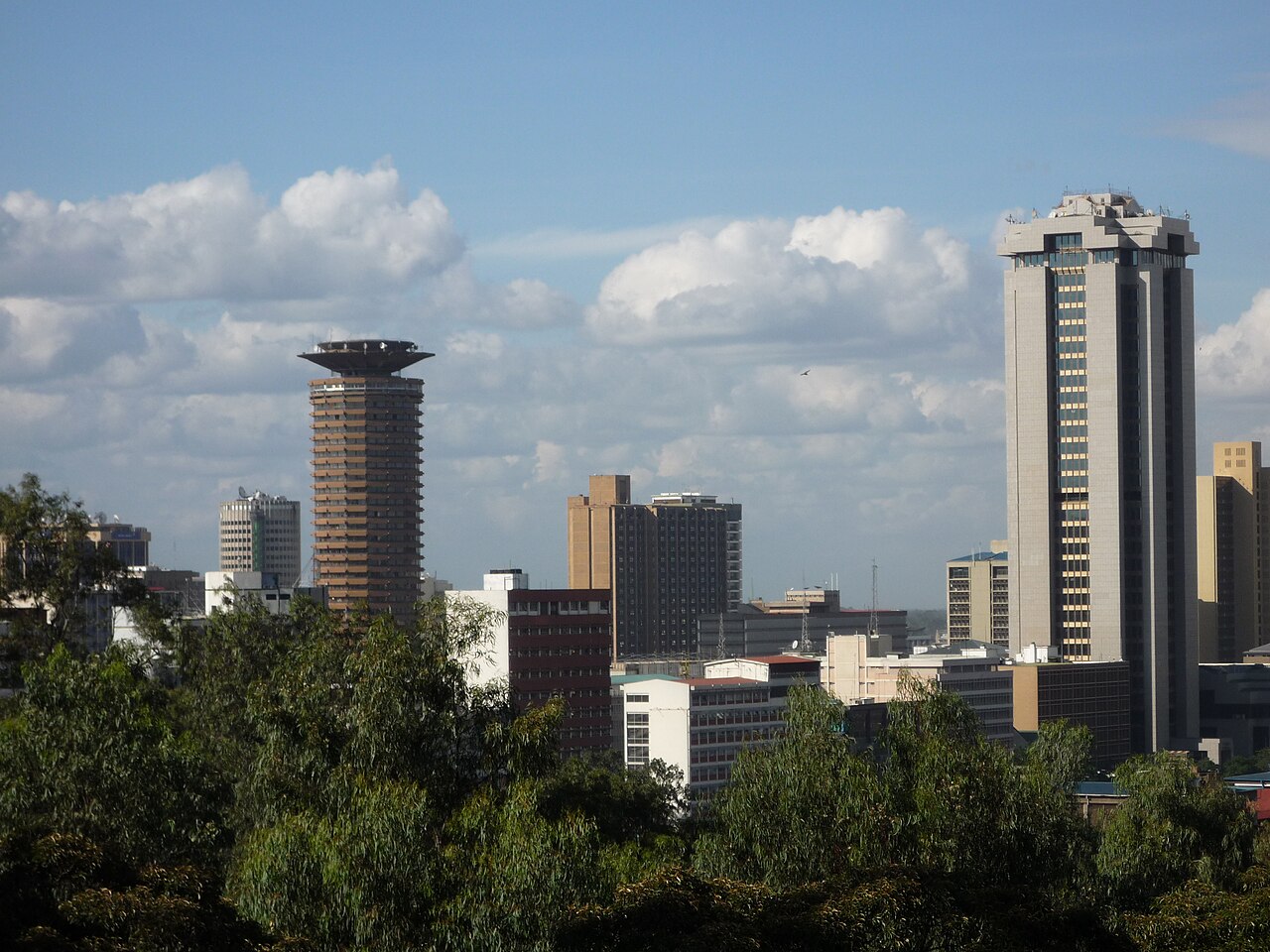
Kenya has confirmed its first Ebola case, imported from the Democratic Republic of Congo, after a patient died in Nairobi.
Ebola is a viral haemorrhagic fever spread through contact with the body fluids of infected people.
Sources: Topper IAS editorial (PIB / The Hindu / Indian Express)
Key facts
Remember these
- Kenya has confirmed its first Ebola case, imported from the Democratic Republic of Congo
- The patient died in Nairobi
- Ebola is a viral haemorrhagic fever spread through contact with body fluids of infected people
- The Ebola virus was first identified in 1976 near the Ebola River in the DRC
- WHO can declare a Public Health Emergency of International Concern (PHEIC) under the International Health Regulations, 2005
Prelims · Mains
How the exam will ask it
Prelims
- Ebola is caused by a virus and spreads through direct contact with blood or body fluids of infected persons, not through ordinary airborne transmission.
- The International Health Regulations (2005) are legally binding on WHO member states and govern the declaration of a Public Health Emergency of International Concern.
- The Democratic Republic of Congo has seen repeated Ebola outbreaks since the virus was first identified there in 1976.
Mains
GS2 (International Relations: Global health) with links to GS3 (science and health security). Imported cases show how infectious diseases cross borders, testing the International Health Regulations and the WHO's coordination role. The way forward lies in stronger surveillance, border health screening, regional cooperation in Africa and equitable access to vaccines, lessons India can apply to its own preparedness.
Quick recall
Answer before you reveal
In the case of a State Public Service Commission, the Chairman and members are appointed by the Governor but can be removed for misbehaviour by:
- The President, after an inquiry by the Supreme Court
- The Governor, after an inquiry by the High Court
- The State Legislature, by a special majority
- The Chief Minister, on the advice of the State Cabinet
Show answer
Answer: A — Correct: The President, after an inquiry by the Supreme Court — Under Article 317 the President may remove the Chairman or a member for misbehaviour, but only after the Supreme Court inquires and reports. • The Governor, after an inquiry by the High Court — wrong: The Governor appoints but cannot remove, and the inquiry is by the Supreme Court, not the High Court. • The State Legislature, by a special majority — wrong: The State Legislature has no role in removing State PSC members under Article 317. • The Chief Minister, on the advice of the State Cabinet — wrong: The Chief Minister and Cabinet have no power to remove a State PSC Chairman or member.
Convert this topic into marks
Today's 10-MCQ test · instant analysis · Powered by AdaptIQ