
← 30 September 2026's Current Affairs · Science & Tech GA Prelims ★★★★☆ Mains ★★☆☆☆
TAVI Ushers in a New Age in Treating Aortic Valve Disease
Why in News?
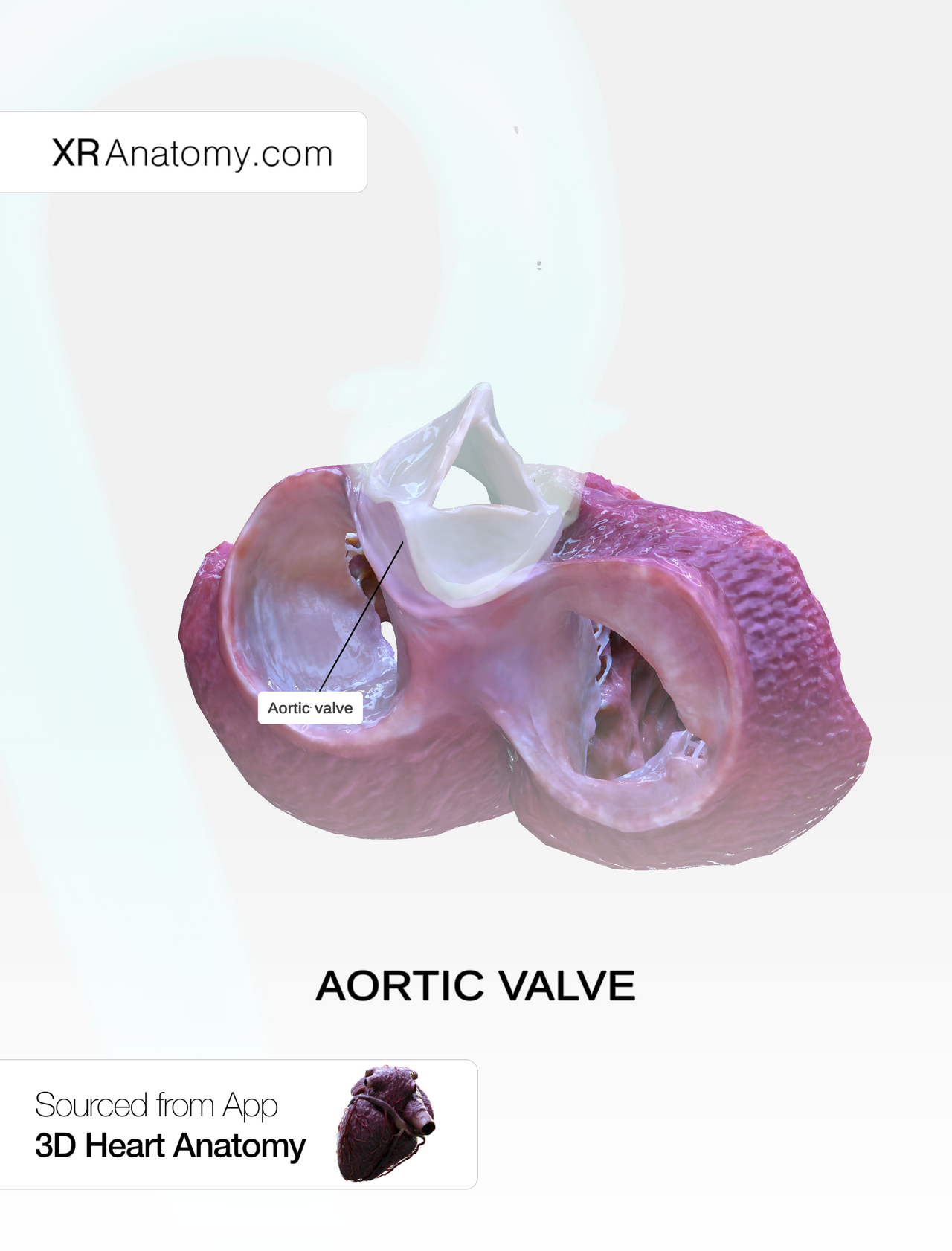
Heart valve replaced without opening the chest: the TAVI concept GS-III Science & Technology health questions test
TAVI replaces a diseased aortic valve through a catheter, avoiding open-heart surgery.
Why it matters: factual, Prelims-type
What you need to know
2 min read
Transcatheter Aortic Valve Implantation (TAVI) has changed treatment of severe aortic valve disease, which for decades required open-heart surgery.
In TAVI a replacement valve is delivered through a catheter, usually via an artery, without opening the chest.
It is particularly useful for elderly patients who are high-risk for surgery.
Sources: Topper IAS editorial (PIB / The Hindu / Indian Express)
Key facts
Remember these
- TAVI stands for Transcatheter Aortic Valve Implantation.
- It treats severe aortic valve disease, which for decades required open-heart surgery.
- The replacement valve is delivered through a catheter, usually via an artery, without opening the chest.
- It is particularly useful for elderly patients who are high-risk for surgery.
- TAVI is a minimally invasive procedure, not a drug therapy.
Prelims · Mains
How the exam will ask it
Prelims
- TAVI is a catheter-based, minimally invasive procedure for replacing a diseased aortic valve.
- In TAVI the replacement valve is usually delivered through an artery, without opening the chest.
- TAVI is particularly useful for elderly patients who are at high risk for open-heart surgery.
Mains
GS-III Science & Technology (health technology). Severe aortic valve disease once meant open-heart surgery, which many elderly patients could not safely undergo; catheter-based TAVI widens access to treatment for them. The way forward lies in wider availability of trained cardiology teams and affordable devices, so that this minimally invasive option reaches patients beyond major urban centres.
Quick recall
Answer before you reveal
Transcatheter Aortic Valve Implantation (TAVI), used for severe aortic valve disease, is best described as:
- an open-heart operation performed with a heart-lung machine
- a drug therapy that dissolves calcium deposits on the valve
- an implanted pacemaker that regulates the opening of the valve
- a catheter-based, minimally invasive valve replacement
Show answer
Answer: D — Correct: a catheter-based, minimally invasive valve replacement — In TAVI a replacement valve is delivered through a catheter, without opening the chest. • an open-heart operation performed with a heart-lung machine — wrong: That describes conventional surgical valve replacement, which TAVI was developed to avoid in high-risk patients. • a drug therapy that dissolves calcium deposits on the valve — wrong: No drug therapy dissolves calcified valve deposits; TAVI is a procedure, not a drug treatment. • an implanted pacemaker that regulates the opening of the valve — wrong: A pacemaker regulates heart rhythm and does not control how a valve opens.
Convert this topic into marks
Today's 10-MCQ test · instant analysis · Powered by AdaptIQ