
← 14 September 2026's Current Affairs · Environment GS-3 Prelims ★★★★☆ Mains ★★★★☆
Assam's pygmy hog population rebuilds through captive breeding
Why in News?
Pygmy Hog Conservation Programme: how captive breeding rebuilt Assam's smallest wild pig population
A captive-breeding programme has helped Assam's endangered pygmy hog population recover from a handful of individuals to nearly 200.
Why it matters: GS-3 core; factual, Prelims-type
What you need to know
2 min read
Assam's population of the pygmy hog, the world's smallest wild pig, has grown from a handful of individuals in the mid-1990s to nearly 200 today.
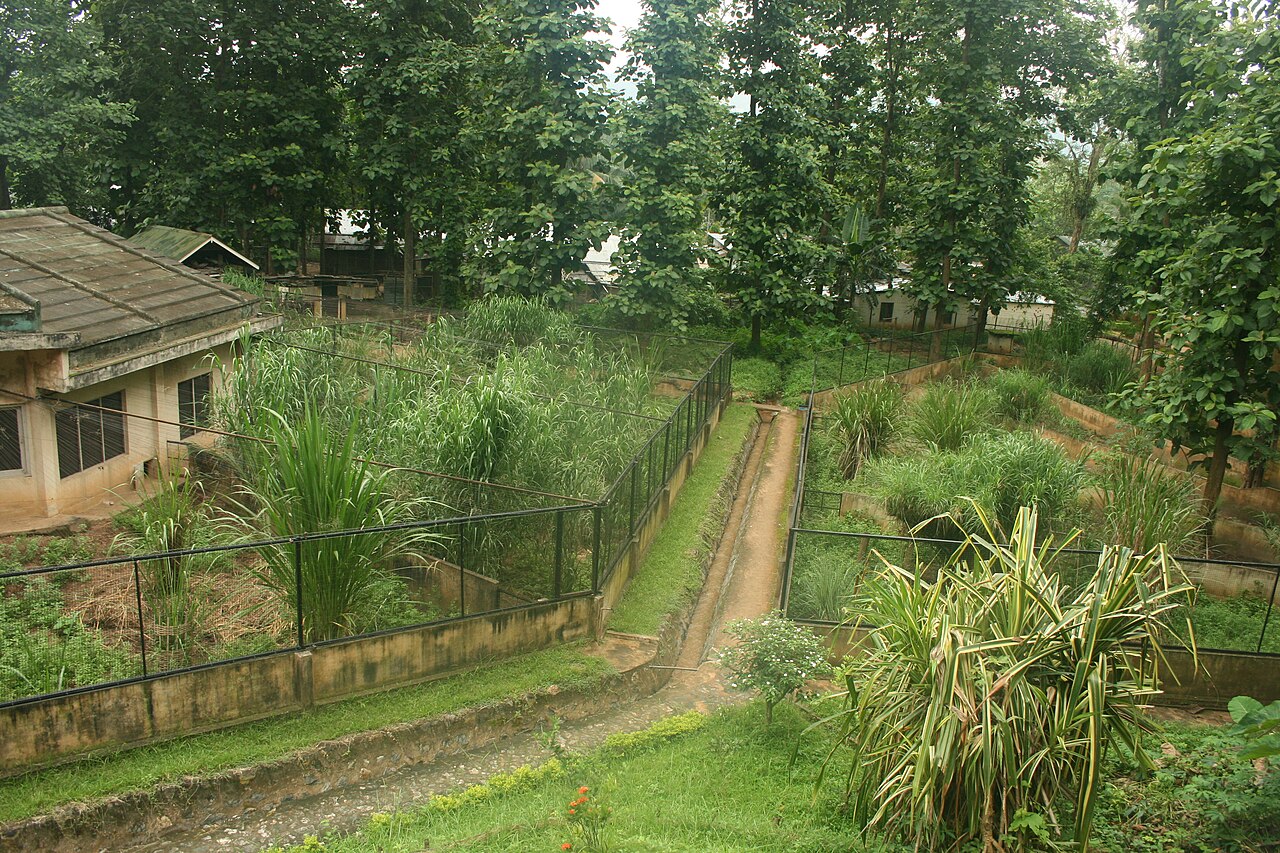
The recovery has been driven by a captive-breeding and release programme run with conservation partners in the state's tall-grassland habitats.
The pygmy hog is listed as Endangered on the IUCN Red List and survives only in a few grassland pockets of Assam.
Sources: Topper IAS editorial (PIB / The Hindu / Indian Express)
Key facts
Remember these
- Assam's pygmy hog population has grown from a handful of individuals in the mid-1990s to nearly 200 today
- The pygmy hog is the world's smallest wild pig species
- It is listed as Endangered on the IUCN Red List
- It survives only in a few tall-grassland pockets of Assam
- Recovery driven by a captive-breeding and release programme with conservation partners
Prelims · Mains
How the exam will ask it
Prelims
- The pygmy hog is the world's smallest wild pig species.
- It is listed as Endangered on the IUCN Red List.
- Its natural habitat is limited to tall-grassland (terai) pockets of Assam.
- Its population has grown from a handful of individuals in the mid-1990s to nearly 200 through a captive-breeding and release programme.
Mains
GS Paper 3 (Environment/Wildlife Conservation): the issue is the near-extinction of a habitat-specialist species confined to Assam's shrinking tall-grassland ecosystems; the response has been an ex-situ captive-breeding and release programme run with conservation partners that has rebuilt the wild population to nearly 200. This shows the value of species-specific recovery programmes but also flags the deeper need to protect and expand the tall-grassland habitat itself so reintroduced populations remain viable in the long run.
Quick recall
Answer before you reveal
The pygmy hog, whose population in Assam has recovered through a captive-breeding programme, is found naturally only in which type of habitat?
- Mangrove forests
- High-altitude cold deserts
- Coral reef ecosystems
- Tall-grassland (terai) habitats
Show answer
Answer: D — The pygmy hog, the world's smallest wild pig, survives only in a few tall-grassland pockets of Assam and is listed as Endangered on the IUCN Red List.
Convert this topic into marks
Today's 10-MCQ test · instant analysis · Powered by AdaptIQ